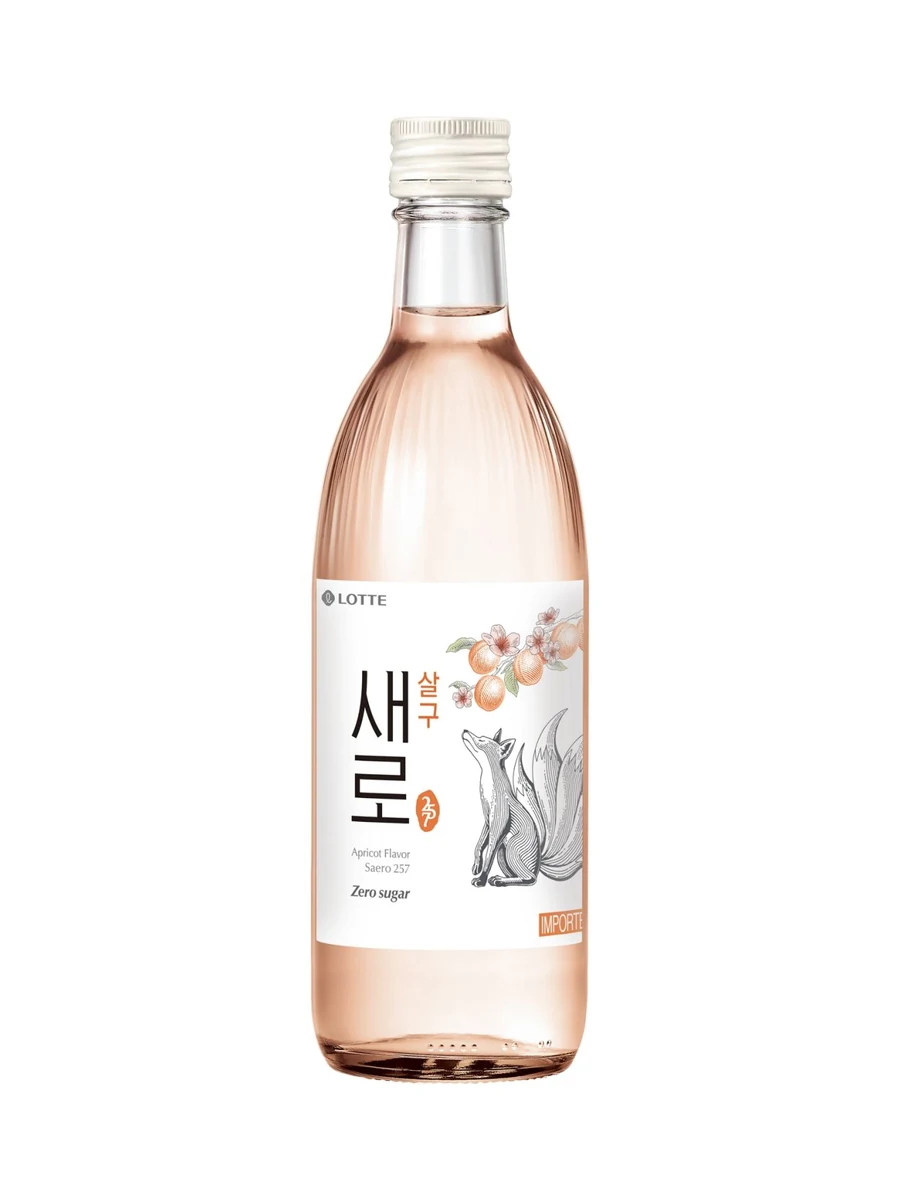
Soju Saero Zero Sugar 16% 375ml
Featured
TypeSake / Soju
Price70.000 ₫
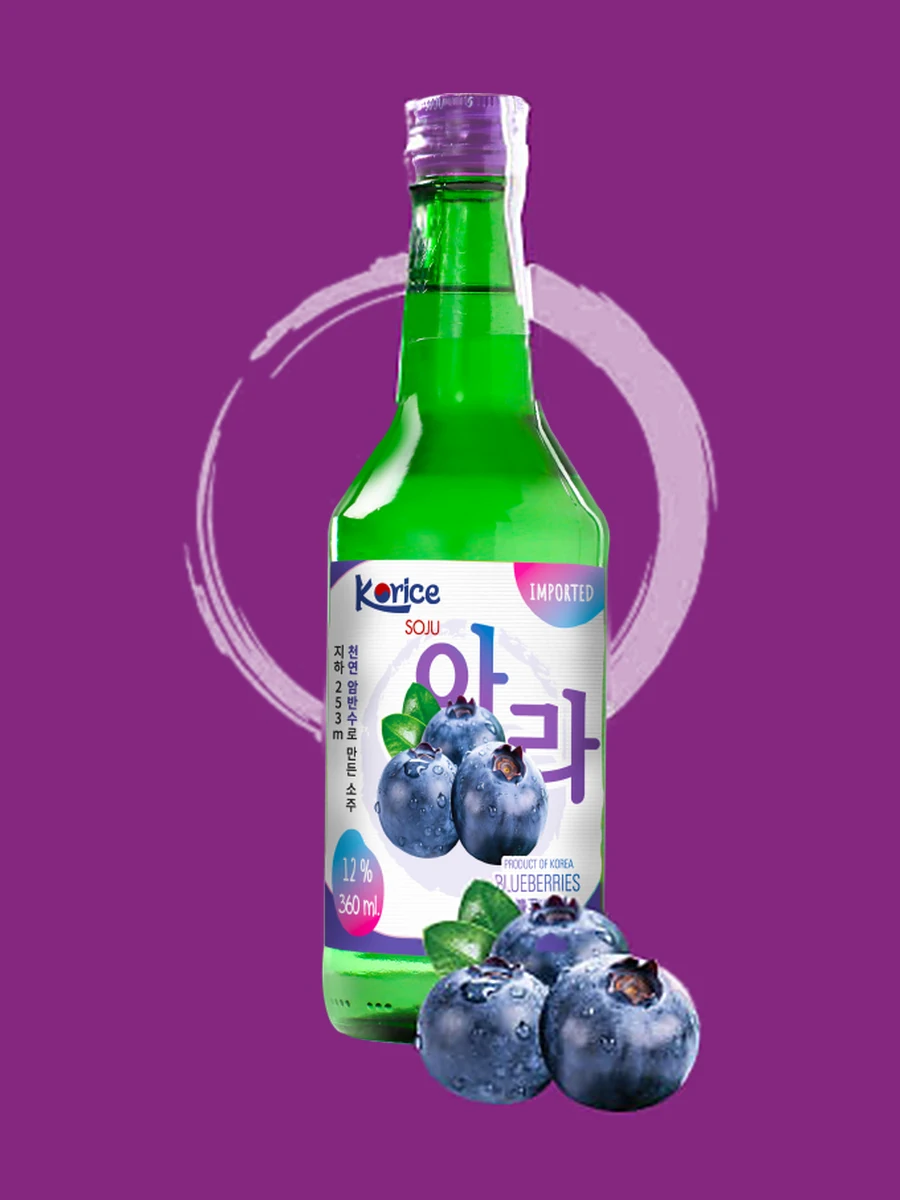
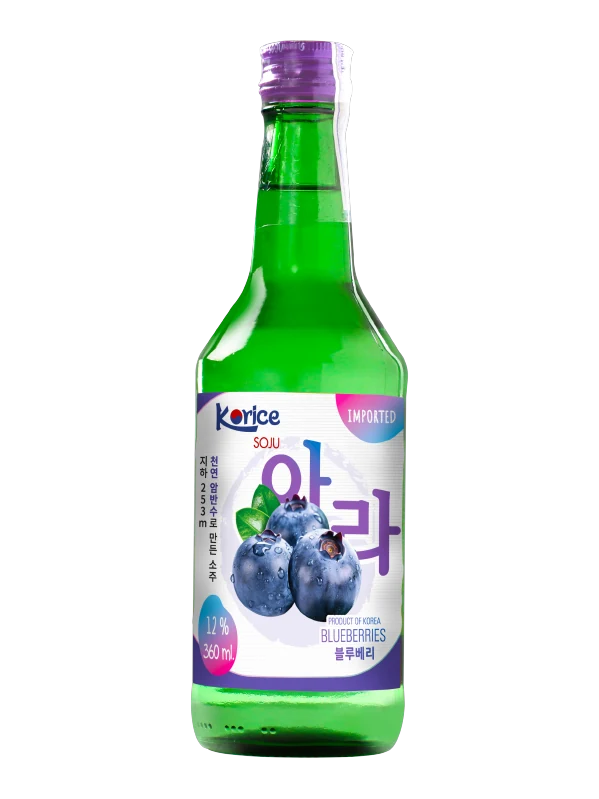
Korice Blueberry Soju is a 12% Korean rice soju produced by Bohae Brewery (Mokpo), blended with natural blueberry flavouring. Light in strength and easy to drink, it comes in a 360 ml glass bottle. The palate offers the
Product intended for persons aged 18 and over. Drinking alcohol and beer is harmful to your health. Product information is objectively descriptive in nature.

Korice Blueberry Soju is a 12% Korean rice soju produced by Bohae Brewery (Mokpo), blended with natural blueberry flavouring. Light in strength and easy to drink, it comes in a 360 ml glass bottle. The palate offers the gentle sweetness of ripe blueberries — fresh, refreshing and easy-drinking.
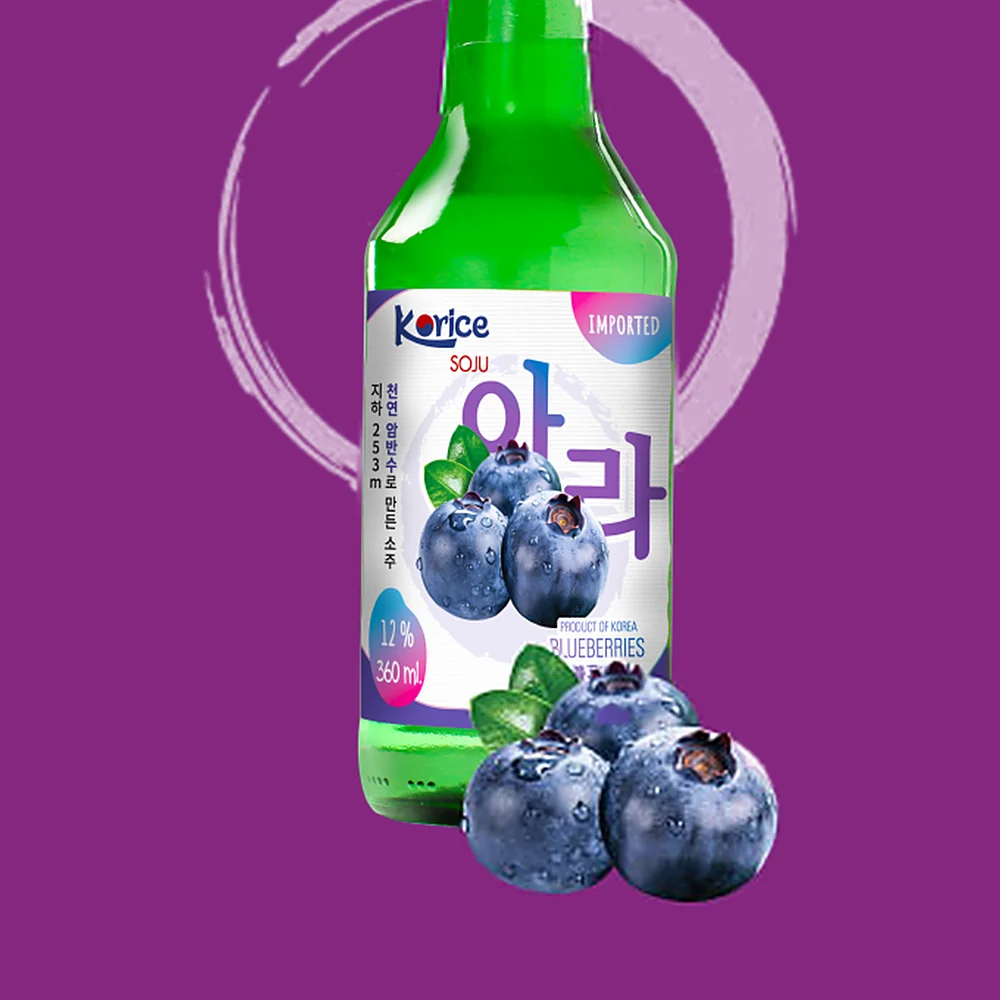
The gentle sweetness of ripe blueberries — fresh, refreshing and easy-drinking.
Serve chilled at 4–6°C in small glasses. Pairs well with grilled meats, spicy hotpot, seafood and Korean cuisine. The fruity profile also works well in somaek (soju + beer) or mixed with soda. Store in a cool, dry place, away from sunlight.
Soju Korice Blueberry Flavour 12% is a fruit-flavoured soju produced by Bohae Brewery Co., Ltd in Mokpo, South Jeolla Province, South Korea. Bohae is one of the longest-established alcoholic beverage companies in the Honam region, founded in the 1950s, and today produces a range of traditional Korean drinks such as soju, Bokbunja-ju (black raspberry wine) and Maesil-ju (plum wine), alongside fruit-flavoured soju lines such as Yipseju and Soony. Within the producer's portfolio, Korice Blueberry is a fruit-flavoured soju variant aimed at consumers who prefer a lightly sweet, easy-drinking style compared with traditional high-strength soju.
According to the distributor's description, the product has an alcohol content of 12% and is bottled in a 360ml glass bottle — a standard size common among Korean soju products enjoyed with meals or at small gatherings. This is a diluted soju blended with blueberry flavouring, in line with the general trend of the modern Korean soju industry: lowering the alcohol level (typically 12–13%, compared with 20% or more for classic soju) to create a gentler drinking experience that is more approachable for those new to Korean alcoholic beverages.
In terms of flavour, fruit-flavoured soju in general — including blueberry — is commonly described by consumers and retailers as having a gentle sweetness, with pronounced fruit aromas that partly mask the harsh alcohol bite of original soju, making the drink more pleasant when enjoyed chilled. This is a general characteristic noted across many fruit-flavoured soju products in the same segment on the international market. However, at the time of writing, no in-depth, independent review specific to this Korice Blueberry version could be found, so comments on the specific flavour of this product should be regarded as general reference points for the fruit soju category.
As for awards and professional scores specific to Korice Blueberry, no verified information has been publicly released in the accessible sources. At the brand level, Bohae is recognised as the first Korean alcoholic beverage company to enter the U.S. market, in 2004, with its Bokbunja wine in a bottle shaped like a rugby ball; this wine reportedly won silver and bronze medals at an international wine competition and was also chosen as the official wine served at the APEC summit held in Busan in 2005.
Fruit-flavoured soju such as Korice Blueberry is typically enjoyed chilled by Koreans, poured into small glasses (traditional soju glasses or shot glasses). It can be served alongside popular Korean dishes such as grilled meats, seafood, kimchi or snacks (anju) to balance the drink's sweetness. Some people also mix fruit-flavoured soju with soda or beer to make a lighter drink at gatherings.
For storage, keep the product in a dry, cool, well-ventilated place, away from direct sunlight and high temperatures to preserve its flavour stability; chill before serving to fully appreciate the fruity aroma and the light, characteristic taste of this soju style.
Content compiled from producers and professional review sites, objectively descriptive in nature; scores and awards are as per the cited sources.