Liqueur Vaccari White Sambuca 700ml
Out of stock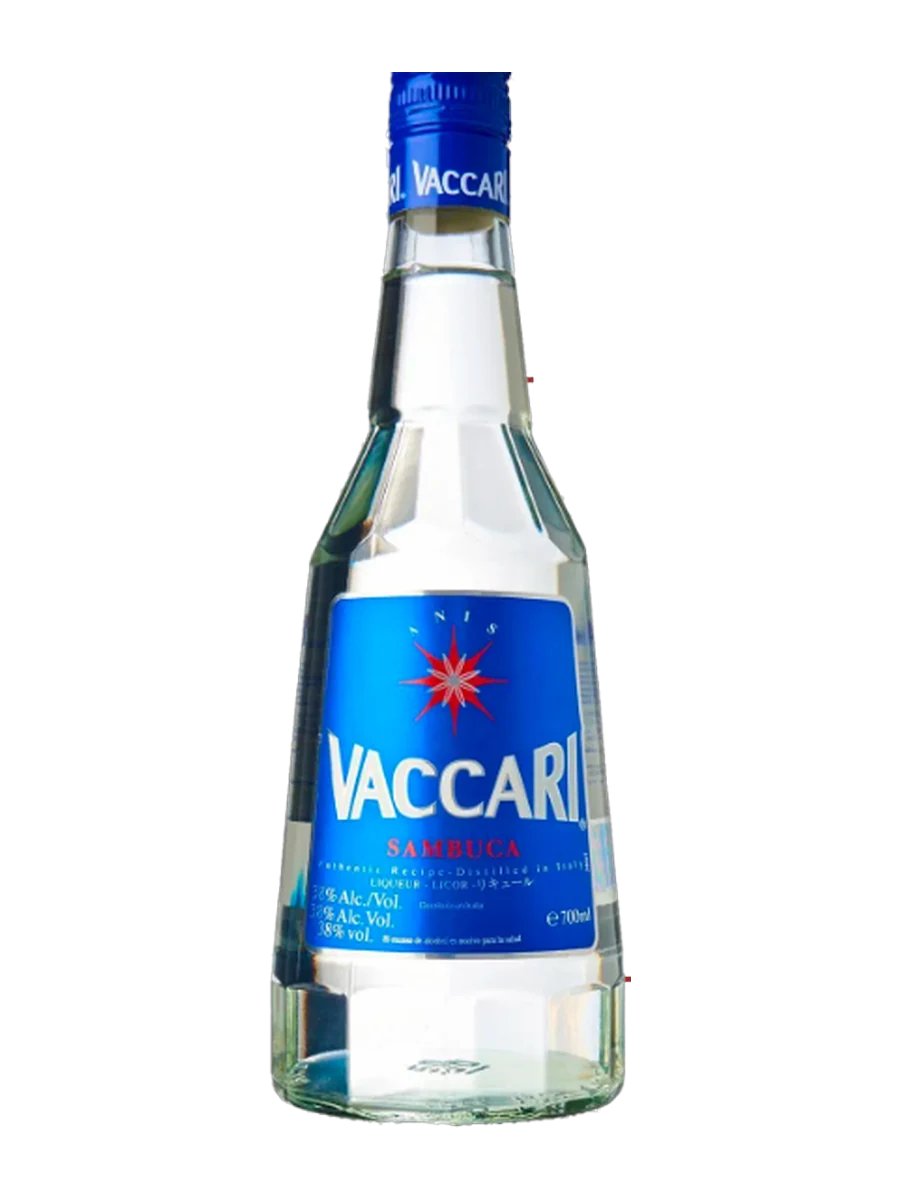
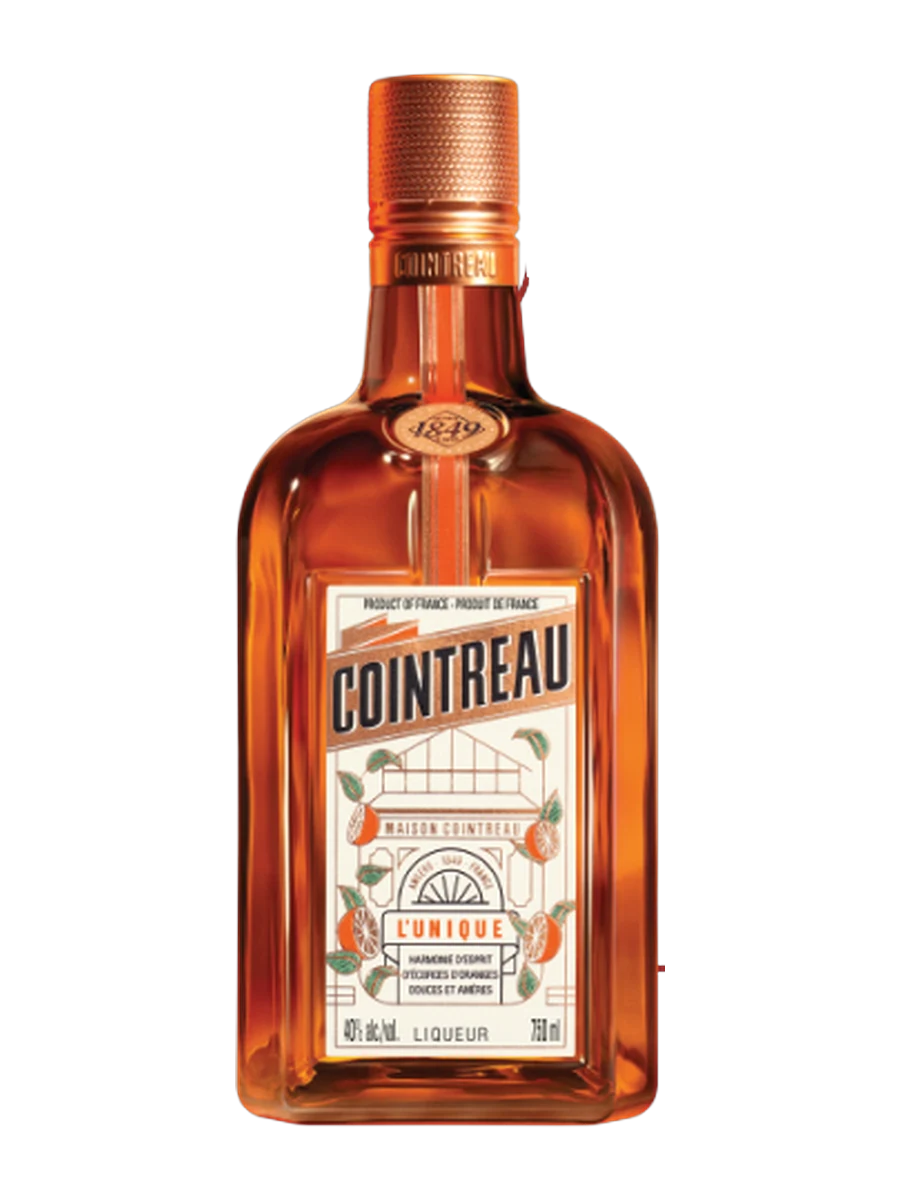
An orange triple sec liqueur created by Édouard Cointreau in 1875 in Angers, in western France. It is distilled in copper stills from dried sweet and bitter orange peels sourced from several different regions, combined w
Product intended for persons aged 18 and over. Drinking alcohol and beer is harmful to your health. Product information is objectively descriptive in nature.

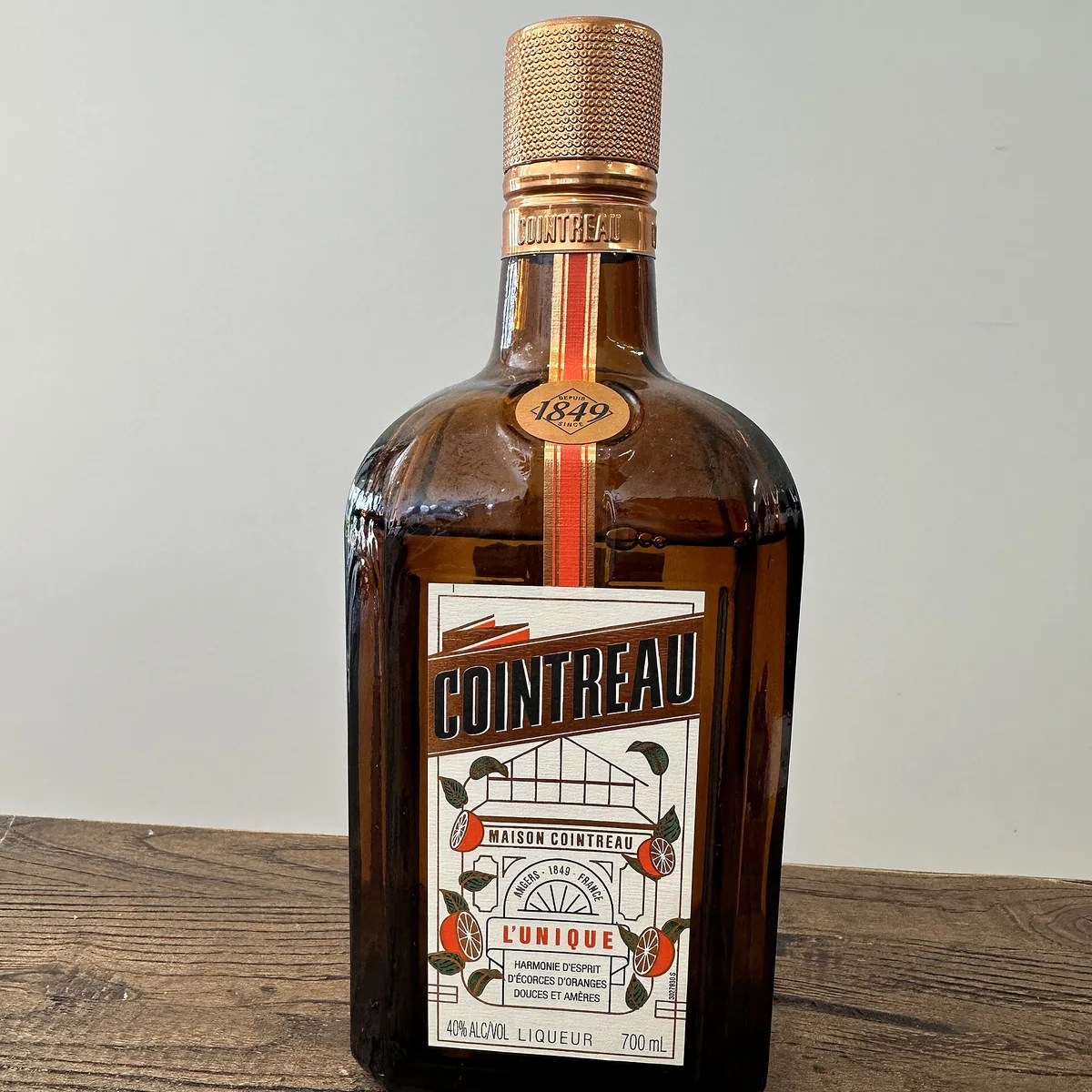 Image: Indrajit Das / Wikimedia Commons · CC BY-SA 4.0
An orange triple sec liqueur created by Édouard Cointreau in 1875 in Angers, in western France. It is distilled in copper stills from dried sweet and bitter orange peels sourced from several different regions, combined with a sugarcane-based spirit. A cornerstone of the classic bar, it comes in the distinctive square amber bottle.
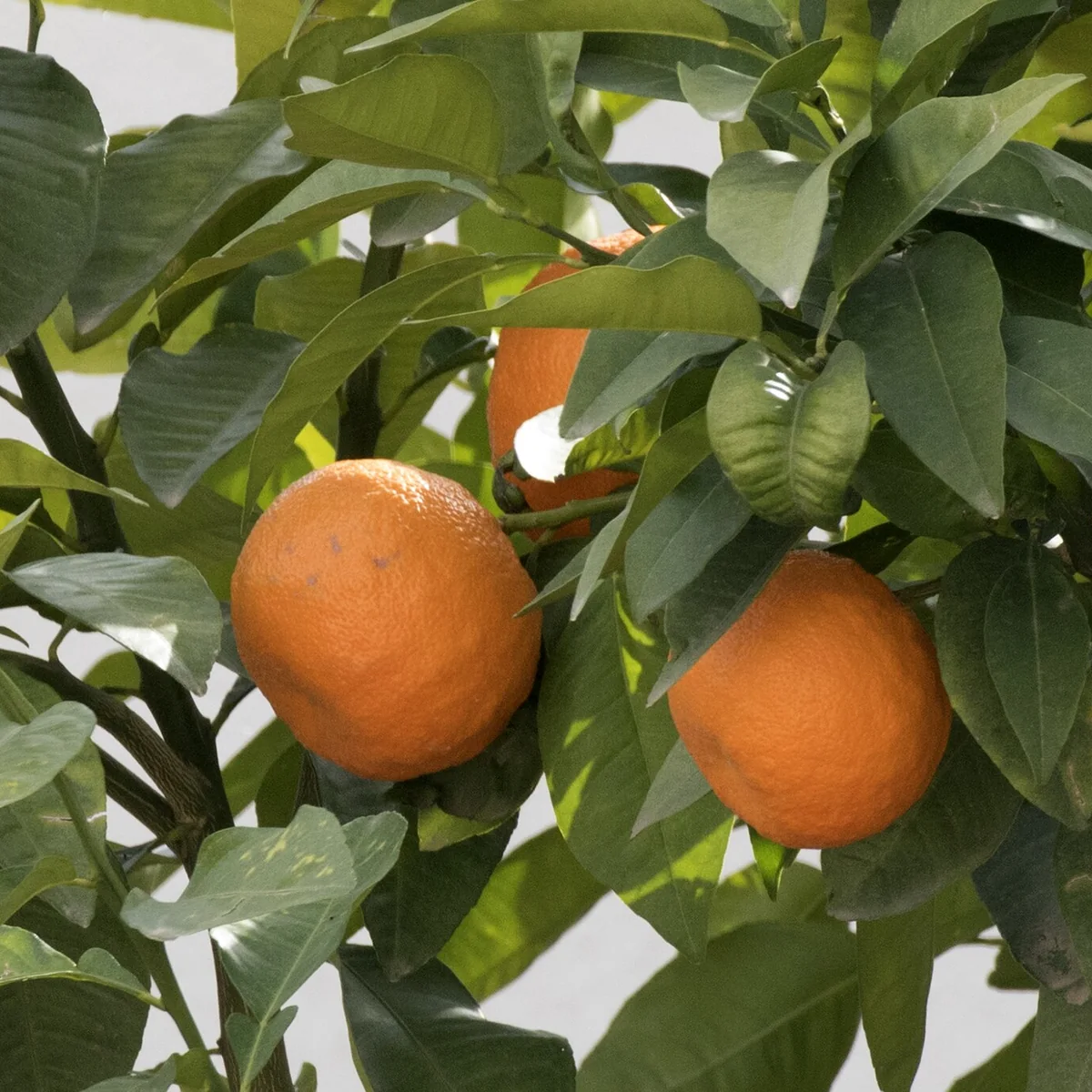 Image: Zeynel Cebeci / Wikimedia Commons · CC BY-SA 4.0
A clear, vivid nose of fresh orange peel, with touches of flowers and bitter orange. The palate balances sweetness with a gentle bitterness; the body is clean and bright, never heavy with sugar. The finish is crisp, leaving a lingering note of dried orange peel.
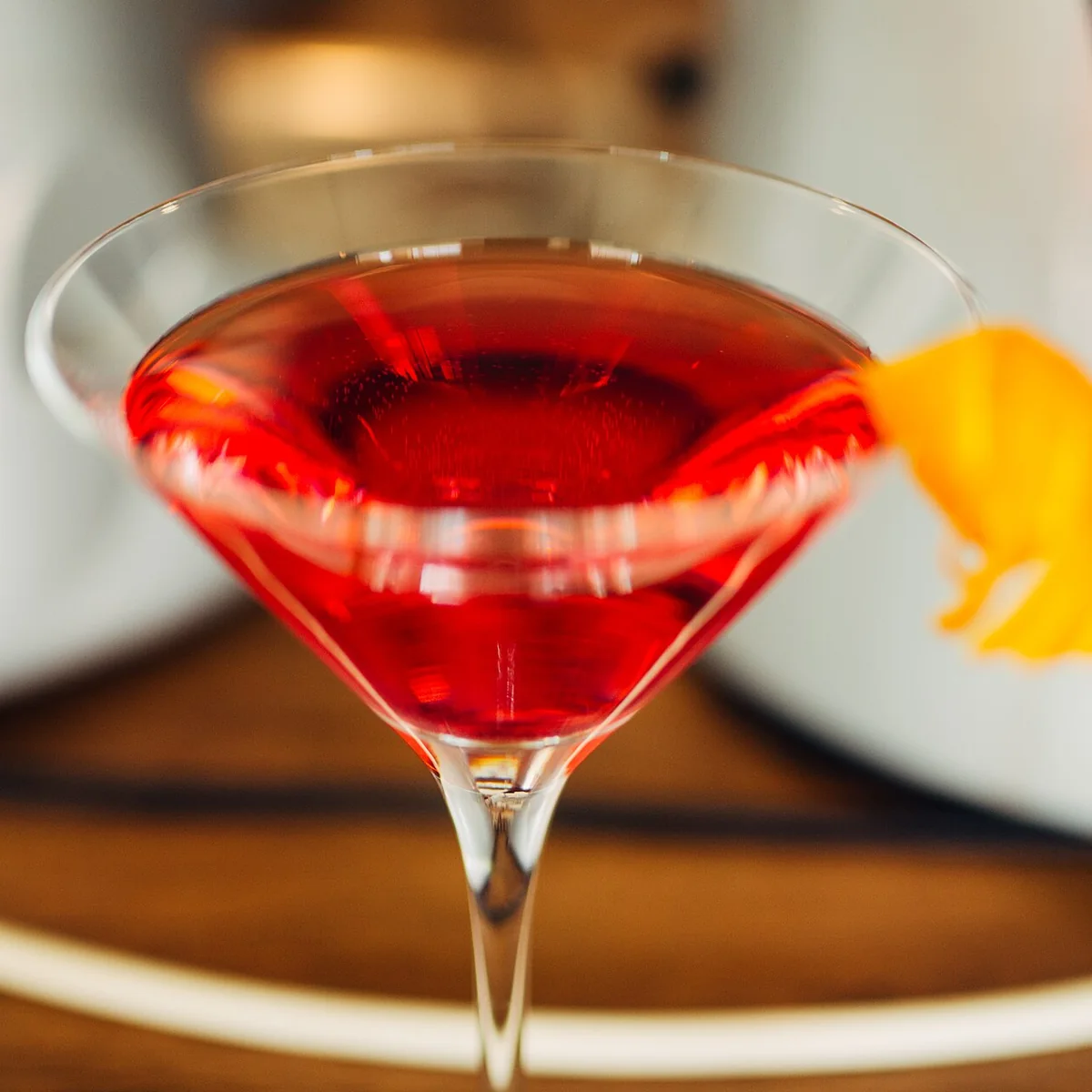 Image: Shixart1985 / Wikimedia Commons · CC BY 2.0
The key ingredient in the Margarita, Cosmopolitan, Sidecar and White Lady. It can be enjoyed neat and chilled, or poured over ice with a slice of orange. Serve in a chilled cocktail glass to preserve the orange aroma.
Cointreau is one of the world's most famous orange liqueurs (triple sec), produced in Saint-Barthélemy-d'Anjou, on the outskirts of Angers, in the Loire region of France. The brand was founded by the brothers Adolphe and Édouard-Jean Cointreau, and according to distribution sources, the orange liqueur that later became famous was developed by Édouard-Jean's son, Édouard Cointreau, and introduced to the public in 1871, before the "triple sec" name was officially registered as a trademark in 1885. Cointreau is now part of the Rémy Cointreau group, formed through the merger of the Cointreau family and Rémy Martin in 1990.
Regarding ingredients and process, according to the producer's official website, Cointreau is a blend of dried sweet and bitter orange peels together with fresh sweet orange peels, with the flavour amplified using just three other ingredients: pure water, sugar and neutral alcohol. The orange peels are removed by hand using traditional techniques to achieve precise thickness and shape, then sun-dried for three to five days until they reach a moisture level of 11%. The neutral alcohol used for distillation is extracted from sugar beet; the peels are then steeped again in the alcohol to rehydrate them, placed into classic copper stills, and distilled three times in the traditional triple sec style. The product is bottled at 40% ABV, according to the official statement.
On flavour, according to Difford's Guide, the liqueur is crystal clear, with a fresh citrus aroma touched by navel orange oil and slightly waxy nuances, underlain by notes of preserved lemon and spiced honey. On the palate, it explodes with bright orange and lemon alongside spice, nutmeg, cinnamon and boiled lemon sweets, finishing clean and dry with bitter orange peel and a hint of whisky marmalade. Other sources, such as Wine Dharma, describe it as a complex triple sec that is not especially layered, better suited as a base for mixing than for sipping on its own. According to the official Cointreau website, the bitter orange peel contributes fresh top notes such as mint or green lime, followed by spicy bergamot and finally pepper and cardamom, while the sweet orange peel contributes floral notes such as orange blossom, rose and lavender.
As for recognition from industry professionals, some international retailers report that Cointreau was once rated 98 points by Wine Enthusiast and that the brand has received more than 300 international awards since its creation; however, these are aggregated figures that have not been independently verified against the original sources.
As for how to enjoy it, Cointreau is widely known as a core ingredient in many classic cocktails such as the Margarita, Cosmopolitan, Sidecar, White Lady and Corpse Reviver #2, and it can also be served neat over ice cubes as an aperitif or an after-dinner drink. In terms of food pairing, sources suggest Duck à l'orange, which shares a similar sweet-and-bitter orange theme; Crêpes Suzette, which uses Cointreau itself for the flambé; fruit tarts with orange or berry fillings; and light cream cheeses such as Brie, which provide a textural counterpoint to the liqueur's sharp orange character.
As for packaging, Cointreau comes in its distinctive square orange bottle, a design icon long associated with the brand. The product should be stored in a cool, dry place away from direct sunlight to preserve its original flavour balance.
"Explodes with zesty, bright orange and lemon with undertones of spice, nutmeg and cinnamon with boiled lemon sweets" — Difford's Guide
"complex (but not very nuanced) taste lends itself to mixing excellently" — Wine Dharma
"a layered bouquet: initially fresh like min or very zesty lime, then spicy bergamot, and finally pepper and cardamom notes" — Cointreau (official website)
Content compiled from producers and professional review sites, objectively descriptive in nature; scores and awards are as per the cited sources.