Liqueur Vaccari White Sambuca 700ml
Out of stock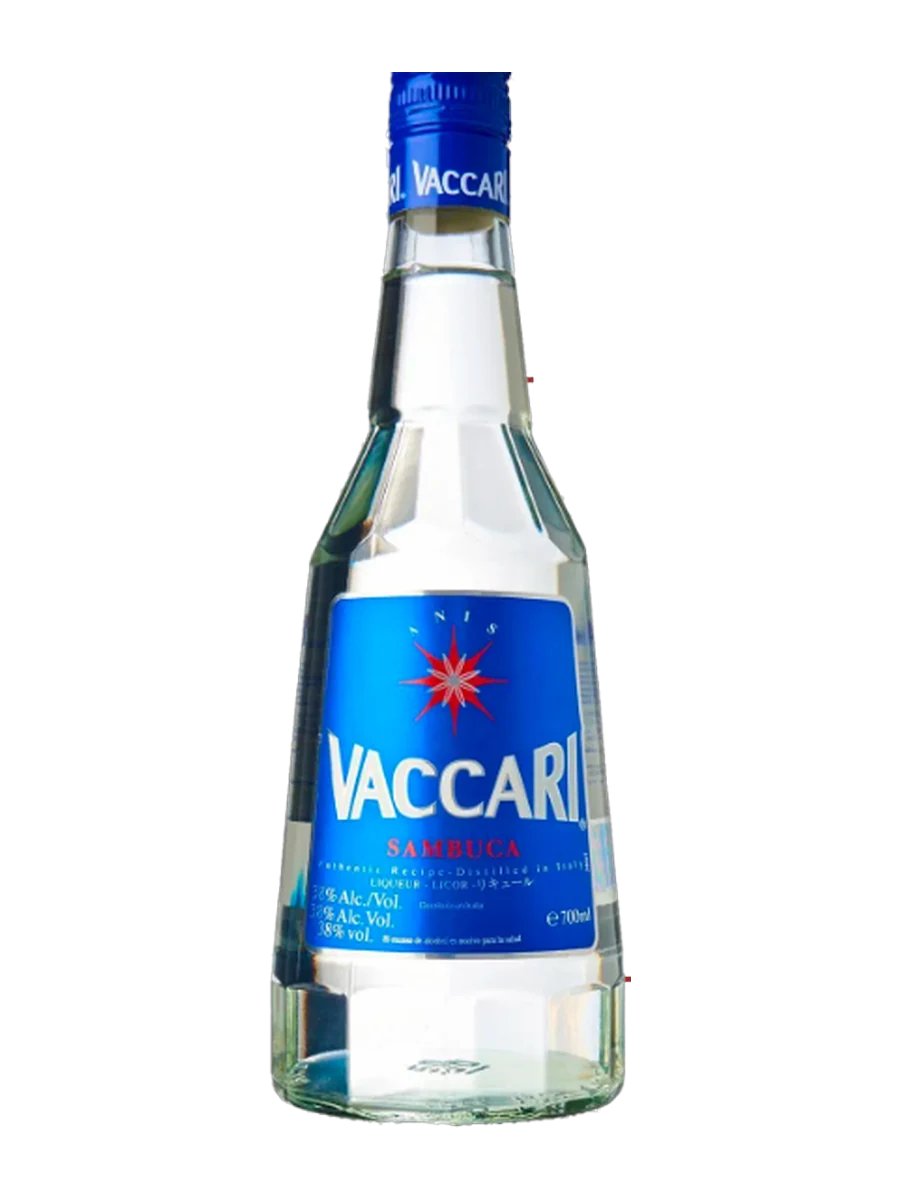
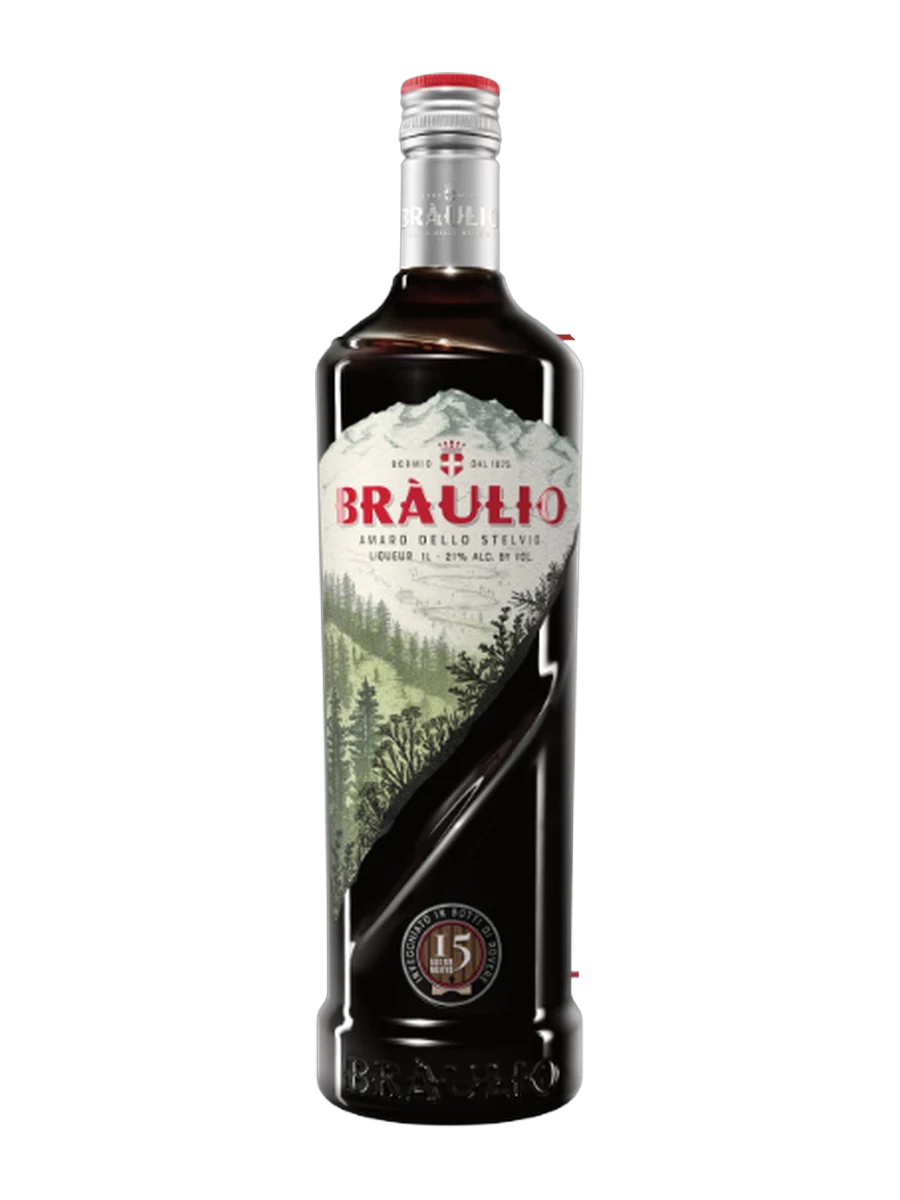
An Alpine mountain amaro created in 1875 in Bormio, made from a recipe of roots, leaves and fruits gathered in the Valtellina region. The spirit is aged in large oak casks in underground cellars before bottling. It is a
Product intended for persons aged 18 and over. Drinking alcohol and beer is harmful to your health. Product information is objectively descriptive in nature.

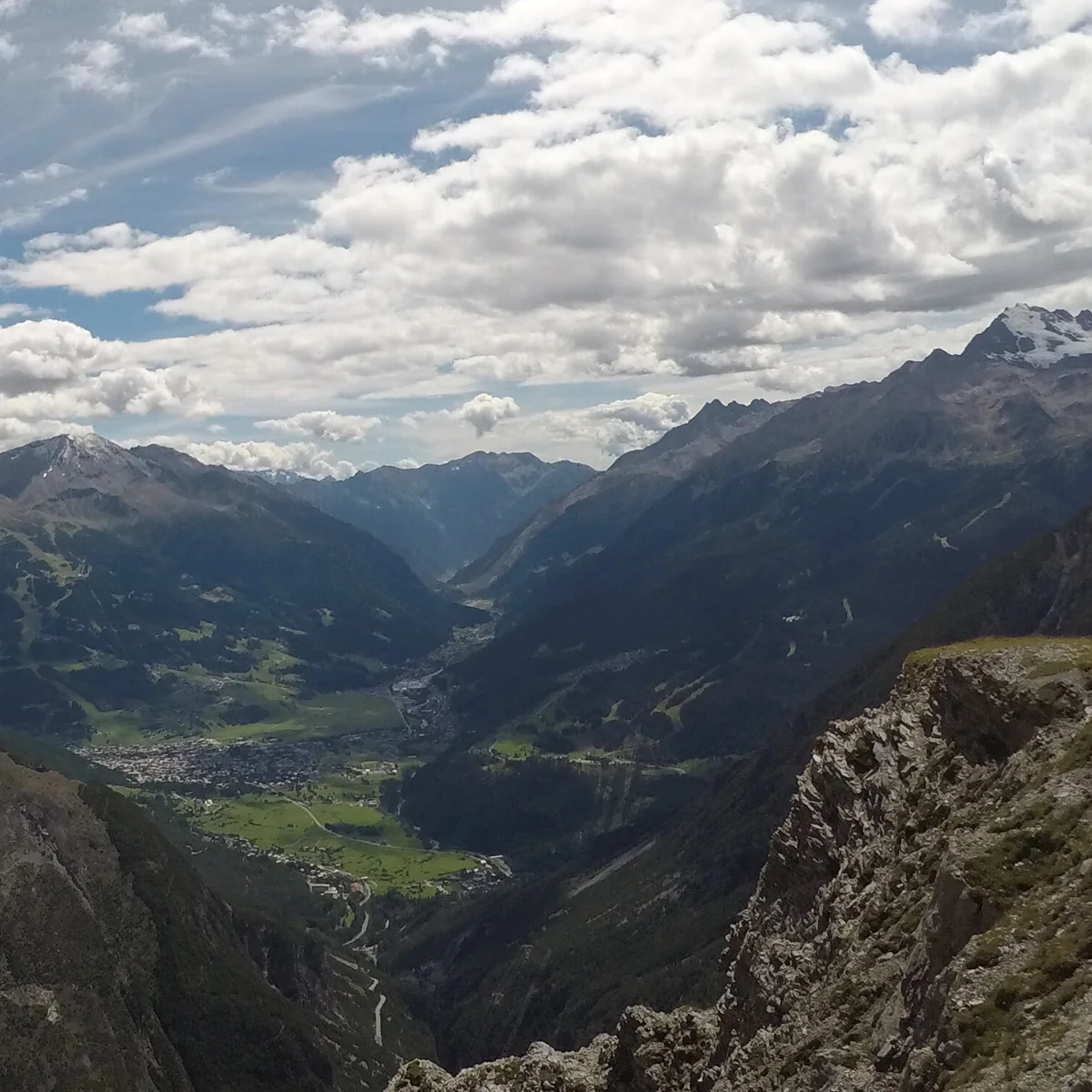 Image: Dispe / Wikimedia Commons · CC BY-SA 4.0
An Alpine mountain amaro created in 1875 in Bormio, made from a recipe of roots, leaves and fruits gathered in the Valtellina region. The spirit is aged in large oak casks in underground cellars before bottling. It is a leading representative of the amaro style of northern Italy's mountain regions.
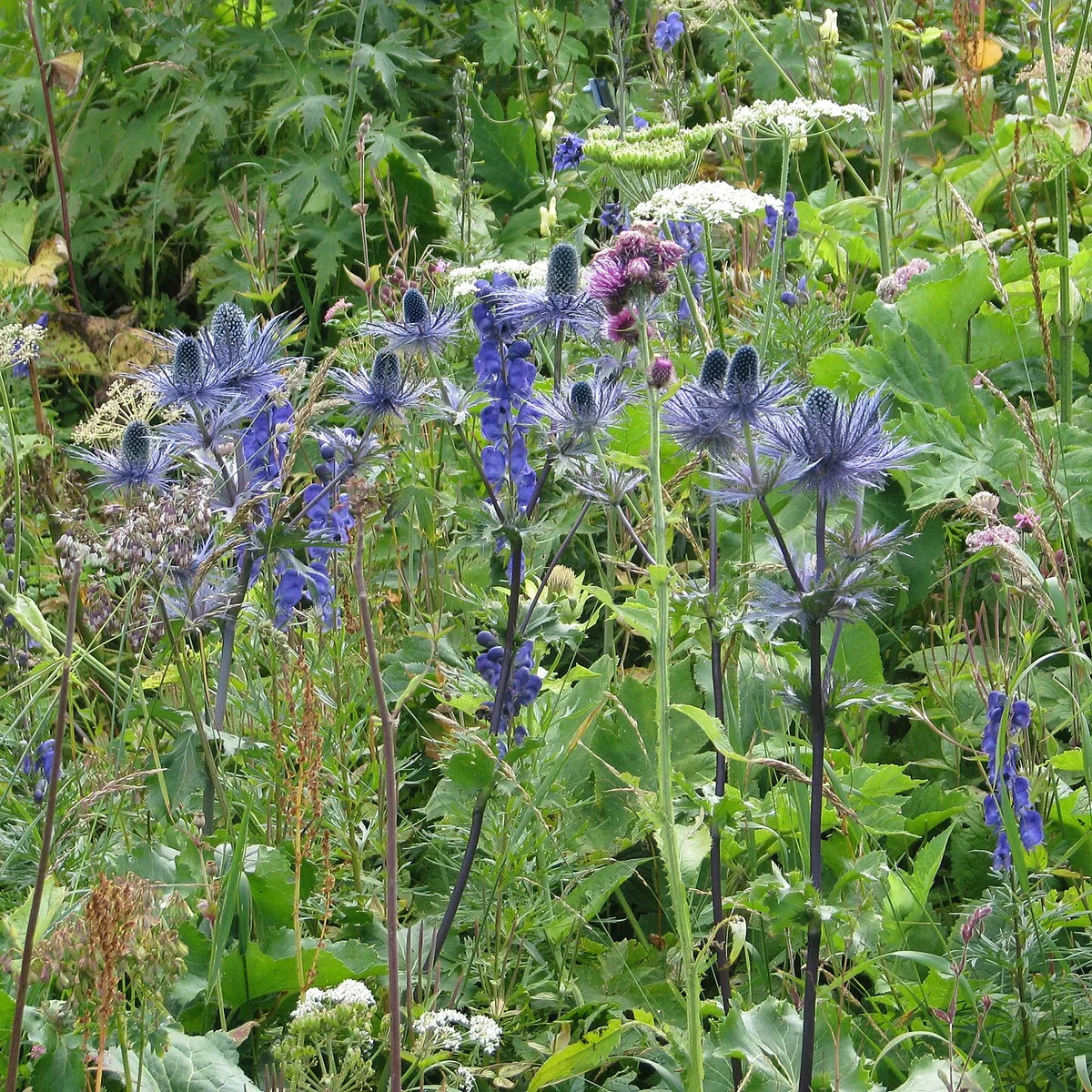 Image: peganum from Henfield, England / Wikimedia Commons · CC BY-SA 2.0
The nose offers mint, pine and high-altitude mountain herbs. A pronounced herbal bitterness carries notes of liquorice and wood, followed by a long, cooling finish.
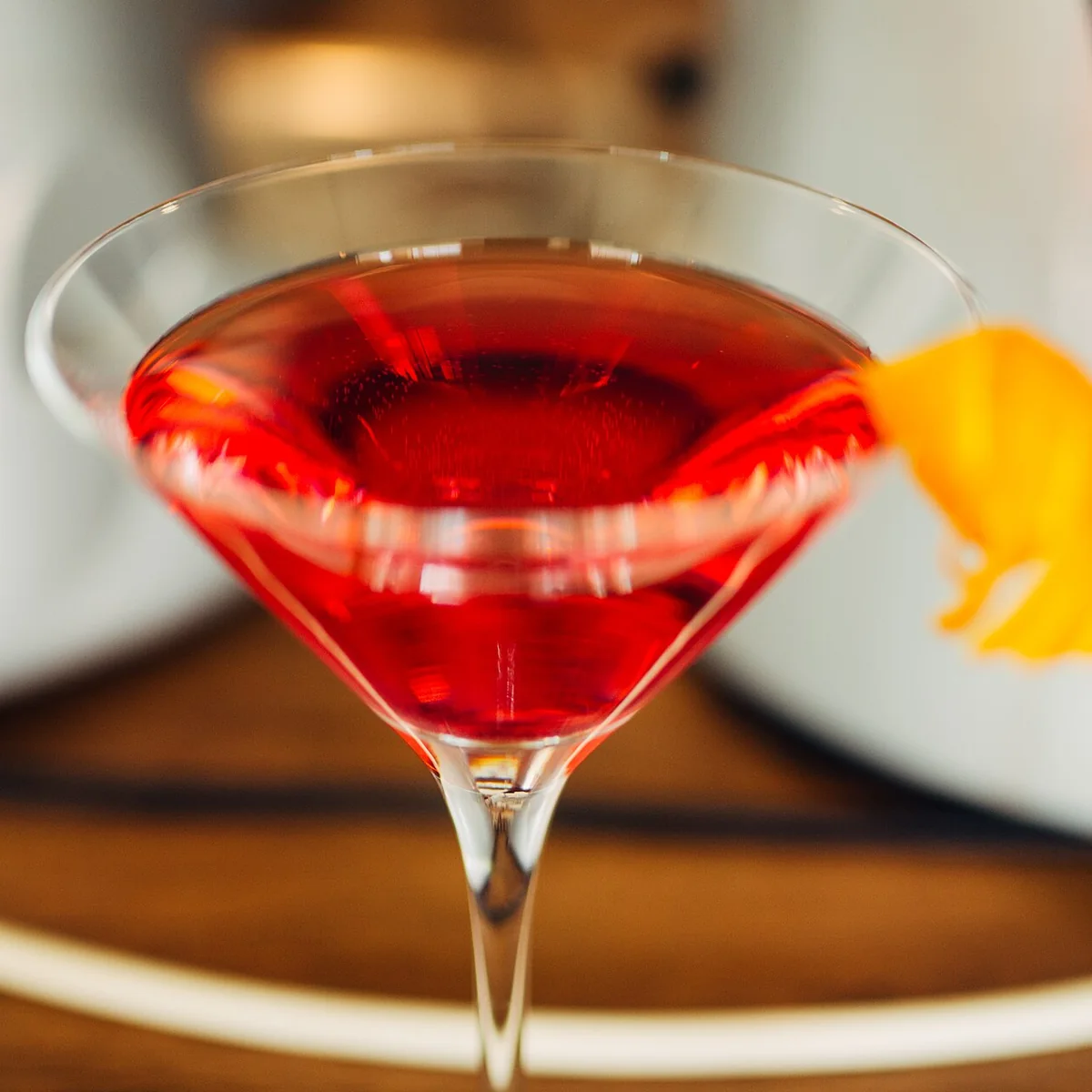 Image: Shixart1985 / Wikimedia Commons · CC BY 2.0
Serve cool or chilled in a small glass after a meal. It can also be enjoyed over ice with a lemon peel, or used in place of other amari in stirred, spirit-forward cocktail recipes.
Braulio liqueur belongs to the amaro family (Italian herbal bitter liqueurs) and is produced in the town of Bormio, in the Valtellina area of Lombardia, at the foot of the Alps within Stelvio National Park in northern Italy. It is one of the oldest and best-known Alpine amari. It now belongs to the Campari Group's brand portfolio, following the group's acquisition of it together with Averna in 2014, although production and ageing in Bormio remain directly overseen by the Peloni family, descendants of the founder.
The Braulio recipe is a closely guarded secret, with only four of the roughly 12–15 herbs used made public: gentian root, juniper, wormwood and yarrow. These ingredients are gathered in the Monte Braulio area of the Alps, then dried, ground and macerated in a water-alcohol solution. According to some sources, the resulting extract is diluted and sweetened with sugar, with the alcohol level brought down to around 21%, then aged in oak casks before bottling. The ageing time reported by different sources varies, ranging between two and three years.
As for flavour, product pages describe Braulio as a deep amber colour, almost opaque, with an aroma described as rich, complex and refined thanks to the combination of many herbs. According to Avvinare, the product has the characteristic notes of Alpine flowers along with a hint of sage. Meanwhile, the retailer bottleofitaly describes a richly varied flavour spectrum, from wormwood, juniper berries and gentian to many other aromatic herbs blending together.
Braulio is generally presented by sources as a traditional Italian digestivo, taken after a meal. According to Wikipedia, it is usually served chilled or at room temperature, and is sometimes also used as an aperitif mixed with sparkling wine. Besides being sipped neat, Braulio is also used by international bartenders in a number of modern cocktail recipes thanks to its pronounced high-altitude herbal character.
As for storage, since it is a sweetened herbal liqueur with a moderate alcohol content (around 21%), it should be kept in a dry, cool place, away from direct sunlight and high temperatures to keep its flavour stable. Once opened, the bottle should be tightly resealed and consumed within a reasonable time, in line with the general recommendations for liqueurs.
Braulio has the characteristic notes of Alpine flowers along with a hint of sage — Avvinare
A rich, complex and refined aroma, owing to the complexity of the process that creates the product — Bottle of Italy
Only four of the 12–15 herbs in the recipe are made public: gentian, wormwood, yarrow and juniper — VinePair
Content compiled from producers and professional review sites, objectively descriptive in nature; scores and awards are as per the cited sources.