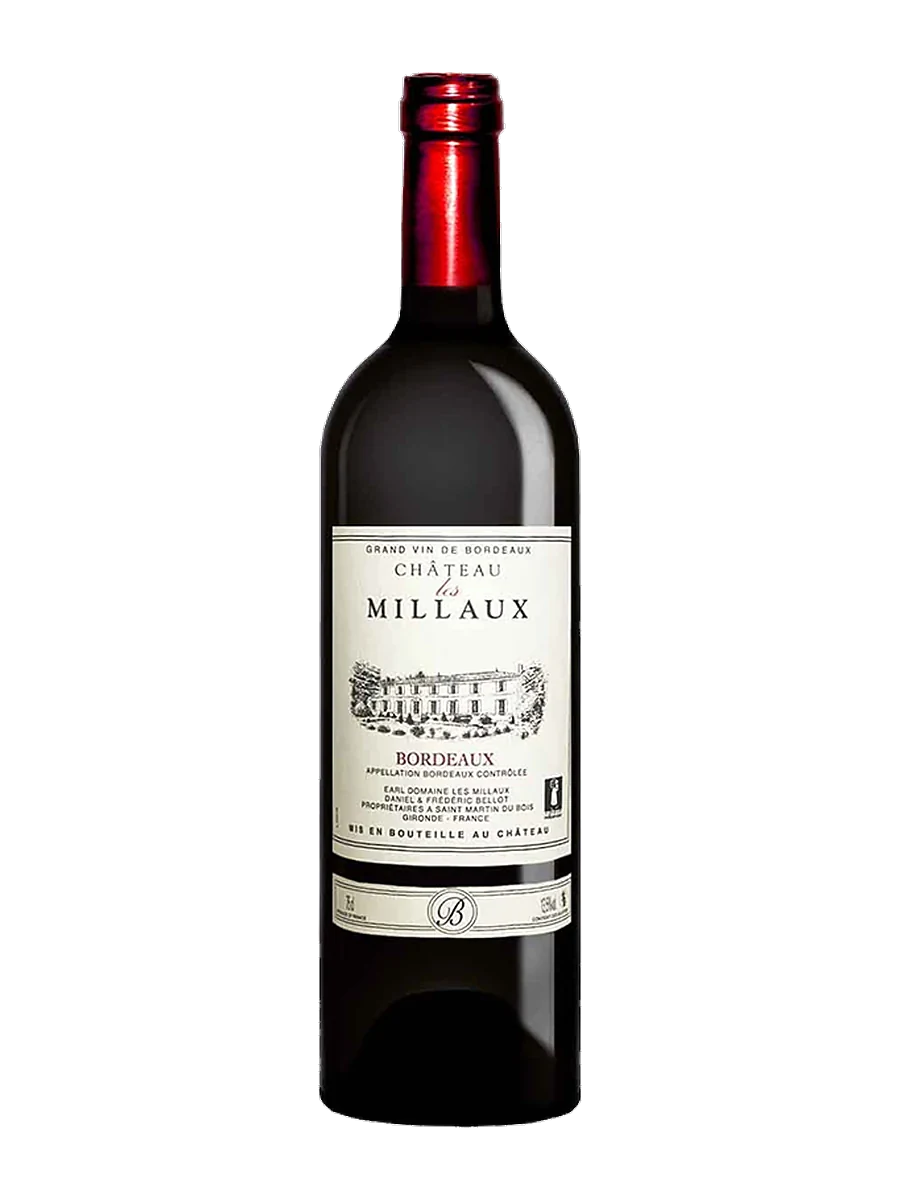
Red wine Château Les Millaux AOC Bordeaux Rouge 2020
Vintage2020
Price540.000 ₫
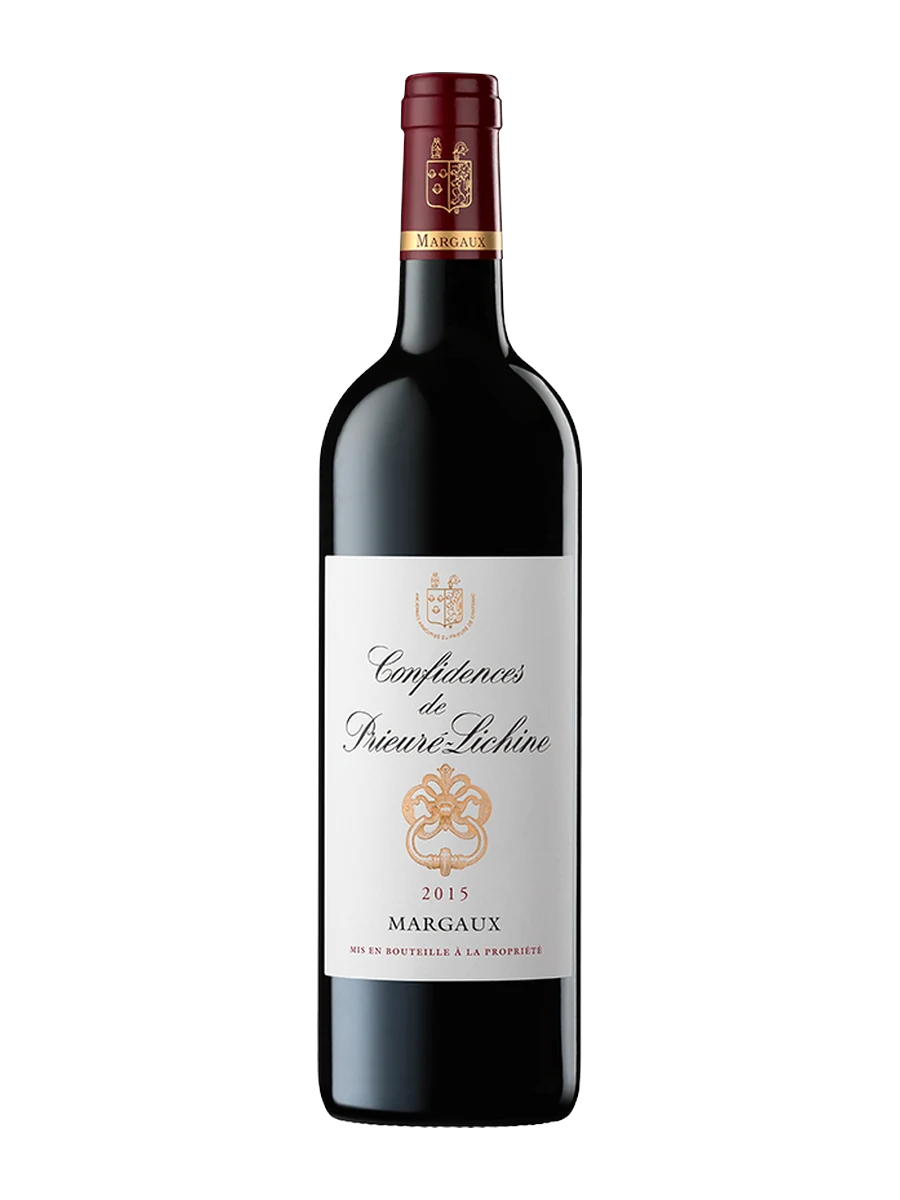
Confidences de Prieuré-Lichine is the second wine of Château Prieuré-Lichine, a Fourth Growth Grand Cru Classé in Cantenac – Margaux, made from younger parcels across 24 dedicated hectares, with the same team and cellar
Product intended for persons aged 18 and over. Drinking alcohol and beer is harmful to your health. Product information is objectively descriptive in nature.

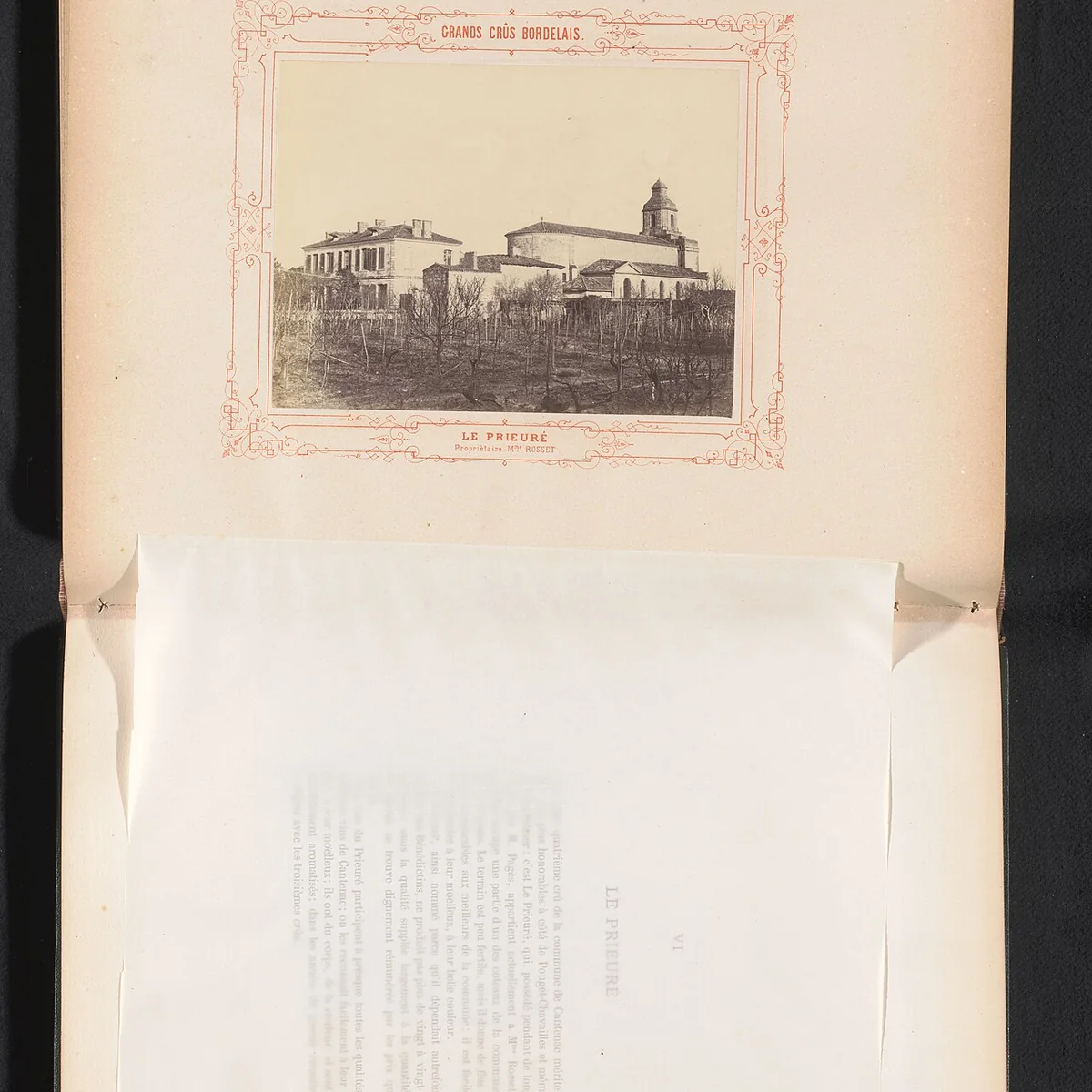 Image: Rijksmuseum (archive photo from the “Grands Crûs Bordelais” series) / Wikimedia Commons · CC0
Confidences de Prieuré-Lichine is the second wine of Château Prieuré-Lichine, a Fourth Growth Grand Cru Classé in Cantenac – Margaux, made from younger parcels across 24 dedicated hectares, with the same team and cellar as the grand vin. The 2016 leans decisively on Merlot (65 %), macerated for 28–30 days and then aged for around 12 months in used barrels, resulting in a round, supple style that is approachable early.
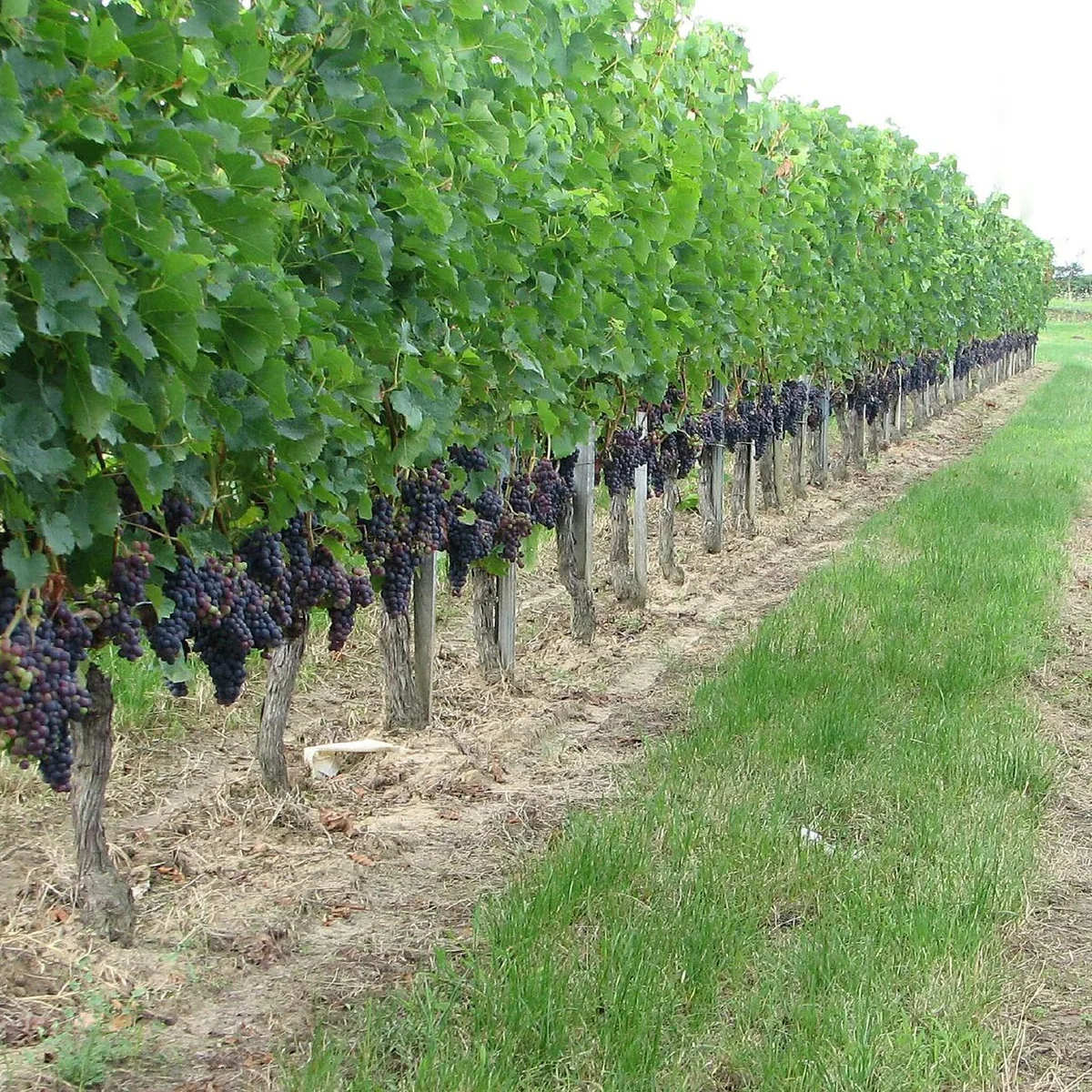 Image: michael clarke stuff / Wikimedia Commons · CC BY-SA 2.0
According to the technical sheet, the 2016 shows a deep, dark colour. The nose leans towards red fruit – raspberry, mulberry, redcurrant – as described by James Suckling, with vanilla, blueberry and tobacco noted by the Decanter judge. The palate is medium-bodied and juicy; Wine Spectator found plum, stewed cherry, sandalwood and black tea. Tannins are fine, acidity is fresh, and the finish carries a distinct chalky, mineral note.
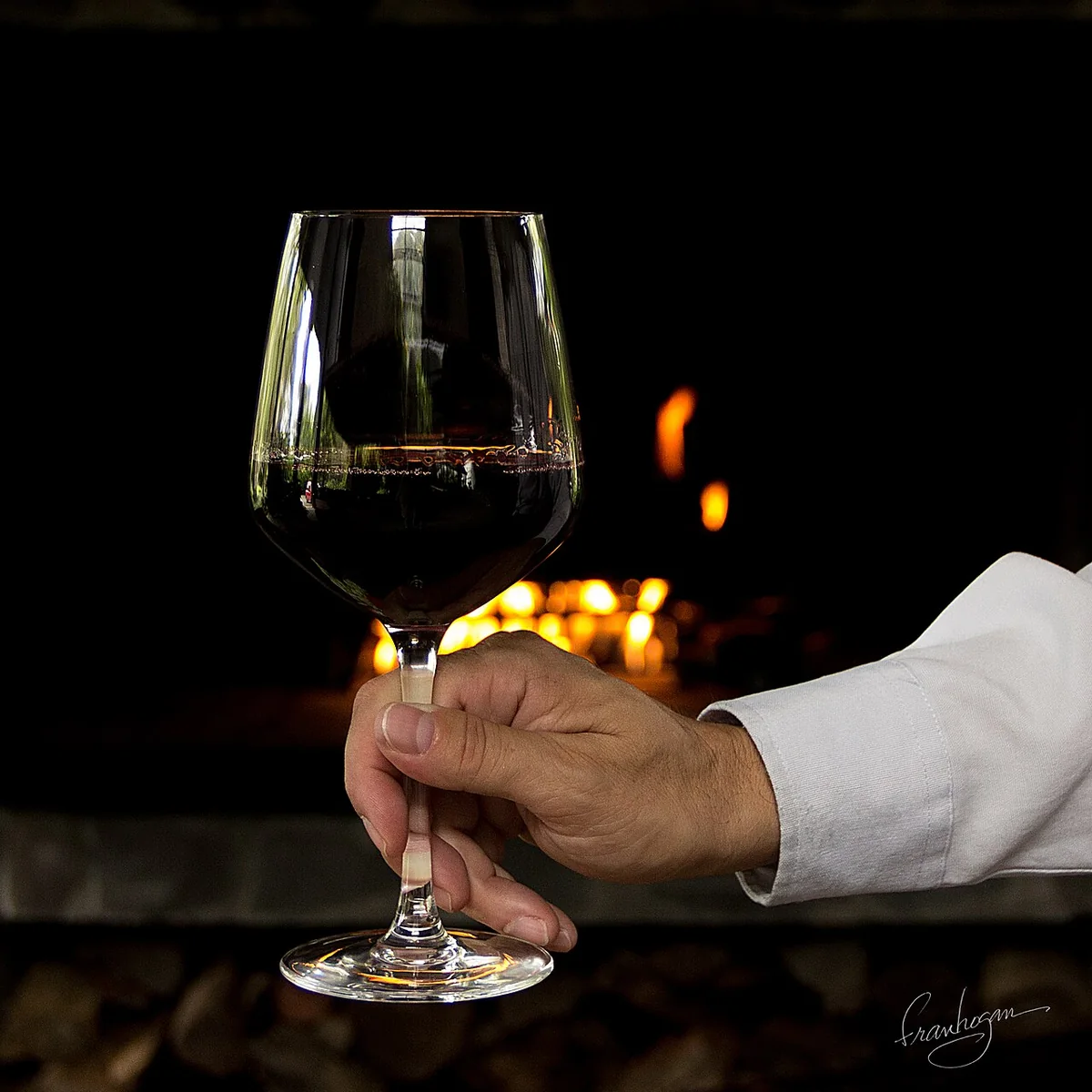 Image: FranHogan / Wikimedia Commons · CC BY-SA 4.0
Serve at 16–17 °C in a Bordeaux glass; decant for about 30 minutes to let the red fruit and herbal aromas open up. The producer rates its ageing potential at 5–10 years, so the wine is now at maturity. It pairs well with pan-seared duck breast in pepper sauce, veal and roast chicken; among Vietnamese dishes, consider charcoal-grilled beef wrapped in lolot leaves or Huế-style nem lụi dipped in bean sauce. Best drinking window: 2021–2027.
Dry; medium acidity; medium, velvety tannins; medium+ to full body.
Roast duck, beef stew, honey-glazed ribs, roast pork, spaghetti Bolognese, pizza.
Ripens 1–2 weeks earlier than Cab → suits the cold clay soils of Bordeaux's Right Bank. Soft tannins make it easy to drink young and "soften" Cab in blends. The most widely planted variety in France (112.000 ha).
Scores of 0–10 and the 1–5 scale are a profile for reference of the Merlot variety (France – Right Bank Bordeaux (Saint-Émilion, Pomerol) & Bordeaux AOC (red)), converted from the published figures for residual sugar, acidity, tannin and alcohol — according to the KIDO Wine Flavour Guide; not a separate measurement of this bottle.
At Château Prieuré-Lichine, each harvest is divided into two tiers: the lots that meet the most exacting standards go into the grand vin, a Fourth Growth of the 1855 classification, while the younger parcels make Confidences de Prieuré-Lichine – a name meaning “confidences” or “heartfelt secrets”, used since 2008 in place of the earlier Château de Clairefont label. According to the technical sheet for the 2016 vintage, the second wine draws its grapes from 24 of the estate's 77.5 hectares of vineyard and is made by winemaker Étienne Charrier together with consultant Stéphane Derenoncourt, in the same fermentation cellar as the main wine.
The estate's vineyards are spread across many parcels on the gravel and sand soils typical of Margaux, with an average vine age of 25 years, planted to 50 % Cabernet Sauvignon, 45 % Merlot and 5 % Petit Verdot. In 2016, the vineyard team thinned the leaves on one side, the side facing the morning sun, in July; Merlot was picked from 23/9 to 13/10 and Cabernet Sauvignon from 14 to 19/10, by hand into small crates. The grapes passed over a vibrating sorting table, were selected by hand and then by optical sorter, left uncrushed, and macerated for 28–30 days, with a yield of 48 hl/ha. The final blend settled at 65 % Merlot and 35 % Cabernet Sauvignon, aged for around 12 months (according to Millesima) in used barrels: 40 % one-year-old barrels and 60 % two-year-old barrels, so that the oak does not overwhelm the fruit.
The producer describes 2016 as a script with many twists: a warm, rainy winter; heavy downy mildew and powdery mildew pressure in spring; then a July and August that were almost completely dry, with a water deficit of about 80 %, stressing the fast-draining gravel parcels. A 40 mm storm on 13/9 and two further rainfalls afterwards helped the grapes ripen to juiciness, giving a deeply coloured wine with moderate alcohol and slightly higher acidity than 2015. In the glass, James Suckling noted raspberry, mulberry, redcurrant, a juicy palate and a finish “like chalk”; Wine Spectator leaned towards plum, stewed cherry, sandalwood and black tea in a soft style; and the Decanter World Wine Awards 2019 judge mentioned vanilla, cool blueberry, tobacco and graphite.
The official results on the Decanter World Wine Awards website confirm that the 2016 won a Silver medal in 2019 with 92 points. Falstaff gave it 90/100 when Peter Moser tasted it in March 2019, noting fresh blackberry jam, black cherry, a touch of vanilla, nougat and a savoury smoky note. According to Millesima, the wine was also rated 91/100 by James Suckling, 89/100 by Decanter and 87/100 by Wine Spectator; the latter reports that roughly 13,000 cases were produced. For the 2021 vintage, Wine Enthusiast rated Confidences 93/100 and placed it in its Cellar Selection. On Vivino, the 2016 vintage scores 4.0/5 from more than 1,100 ratings.
With Merlot making up the majority, Confidences 2016 suits dishes of moderately rich meat: pan-seared duck breast in pepper sauce, veal, roast chicken, or Huế's charcoal-grilled specialities such as nem lụi and beef wrapped in lolot leaves. Serve at around 16–17 °C in a Bordeaux glass; opening the bottle about half an hour beforehand helps the red fruit and herbal aromas show clearly.
The producer places Confidences' ageing potential at 5–10 years; Wine Spectator suggests drinking it through 2027, while James Suckling suggests opening it from 2023. As of 2026, the wine has entered its maturity phase; keep bottles lying down, away from light, at 12–14 °C. The wine is bottled at the estate and sealed with a cork stopper.
Still youthful, with vanilla from the oak, cool blueberry, tobacco and graphite; a smooth Margaux that speaks true to the spirit of the vintage — Decanter World Wine Awards, 2019
Fresh blackberry jam, black cherry, a hint of vanilla and nougat over a light savoury smokiness; integrated tannins, finishing with a touch of lemon — Falstaff (Peter Moser), 2019
Content compiled from producers and professional review sites, objectively descriptive in nature; scores and awards are as per the cited sources.