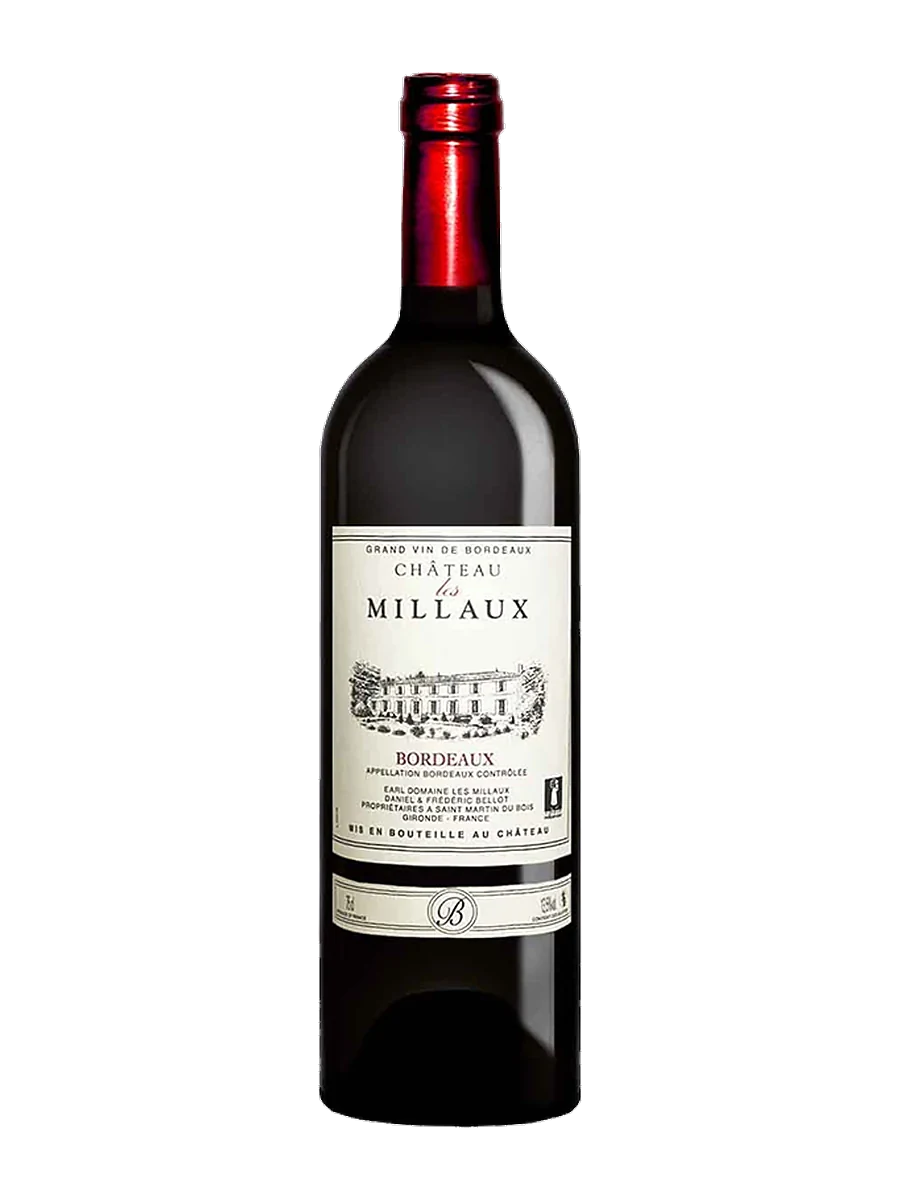
Red wine Château Les Millaux AOC Bordeaux Rouge 2020
Vintage2020
Price540.000 ₫
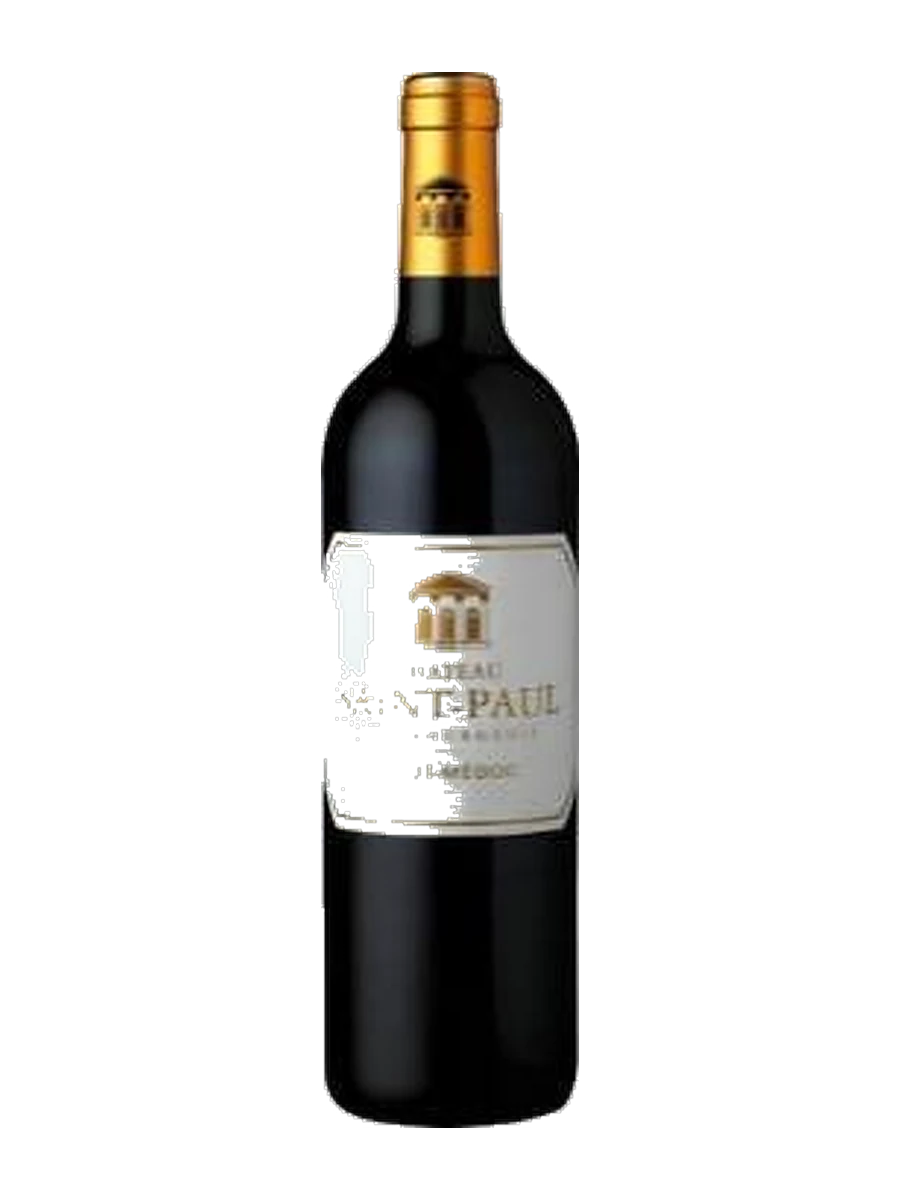
Château Saint-Paul 2017 comes from a vineyard of about 20 ha in a single block in Saint-Seurin-de-Cadourne, at the far north of the Haut-Médoc, on south-facing gravel and clay with a view across to Saint-Estèphe. This vi
Product intended for persons aged 18 and over. Drinking alcohol and beer is harmful to your health. Product information is objectively descriptive in nature.

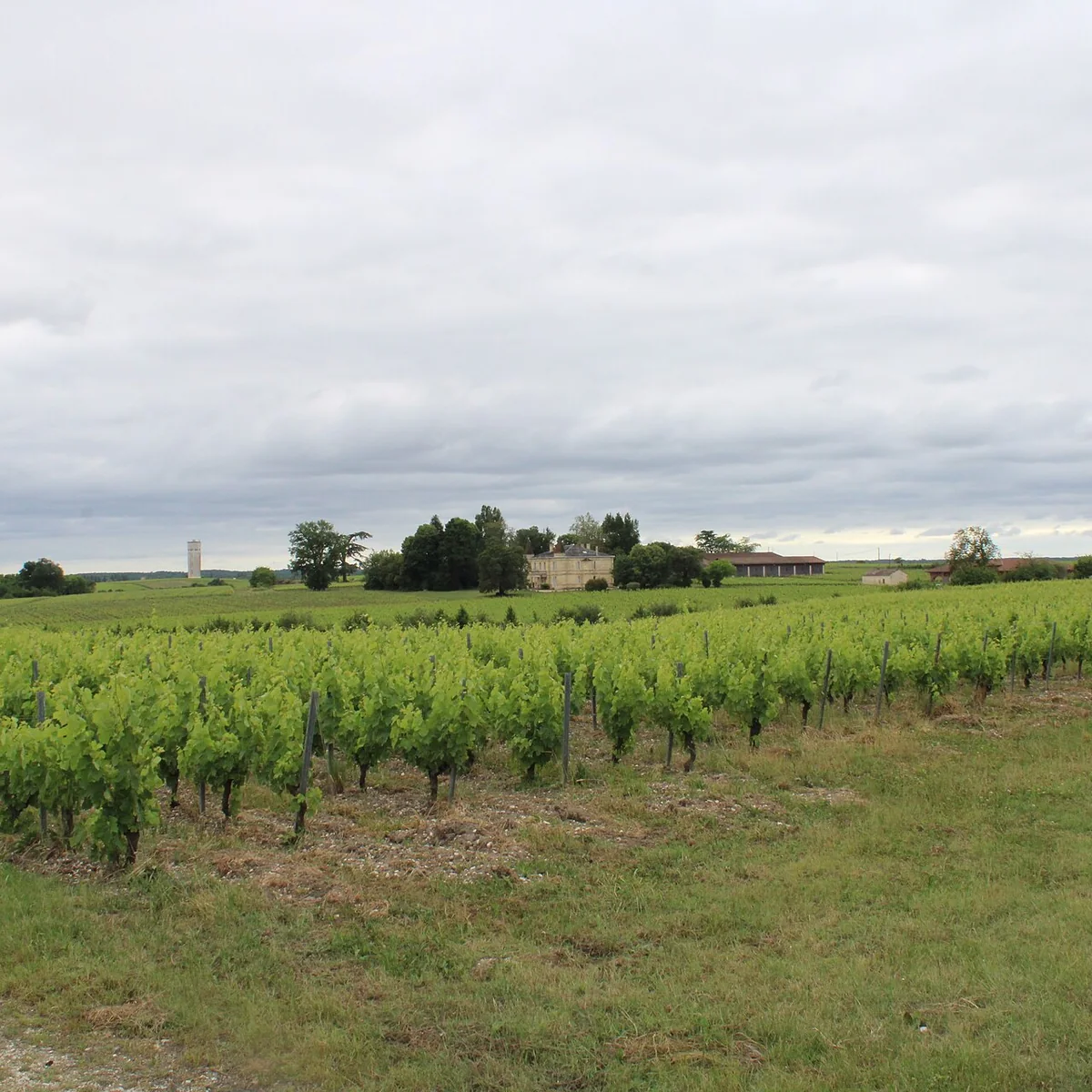 Image: René Hourdry / Wikimedia Commons · CC BY-SA 4.0
Château Saint-Paul 2017 comes from a vineyard of about 20 ha in a single block in Saint-Seurin-de-Cadourne, at the far north of the Haut-Médoc, on south-facing gravel and clay with a view across to Saint-Estèphe. This vintage belongs to the last annual Cru Bourgeois selection, before the three-tier classification of 2020. The wine is Merlot-led, with Cabernet Sauvignon and Cabernet Franc; the estate describes 2017 as a fresh, soft and balanced vintage.
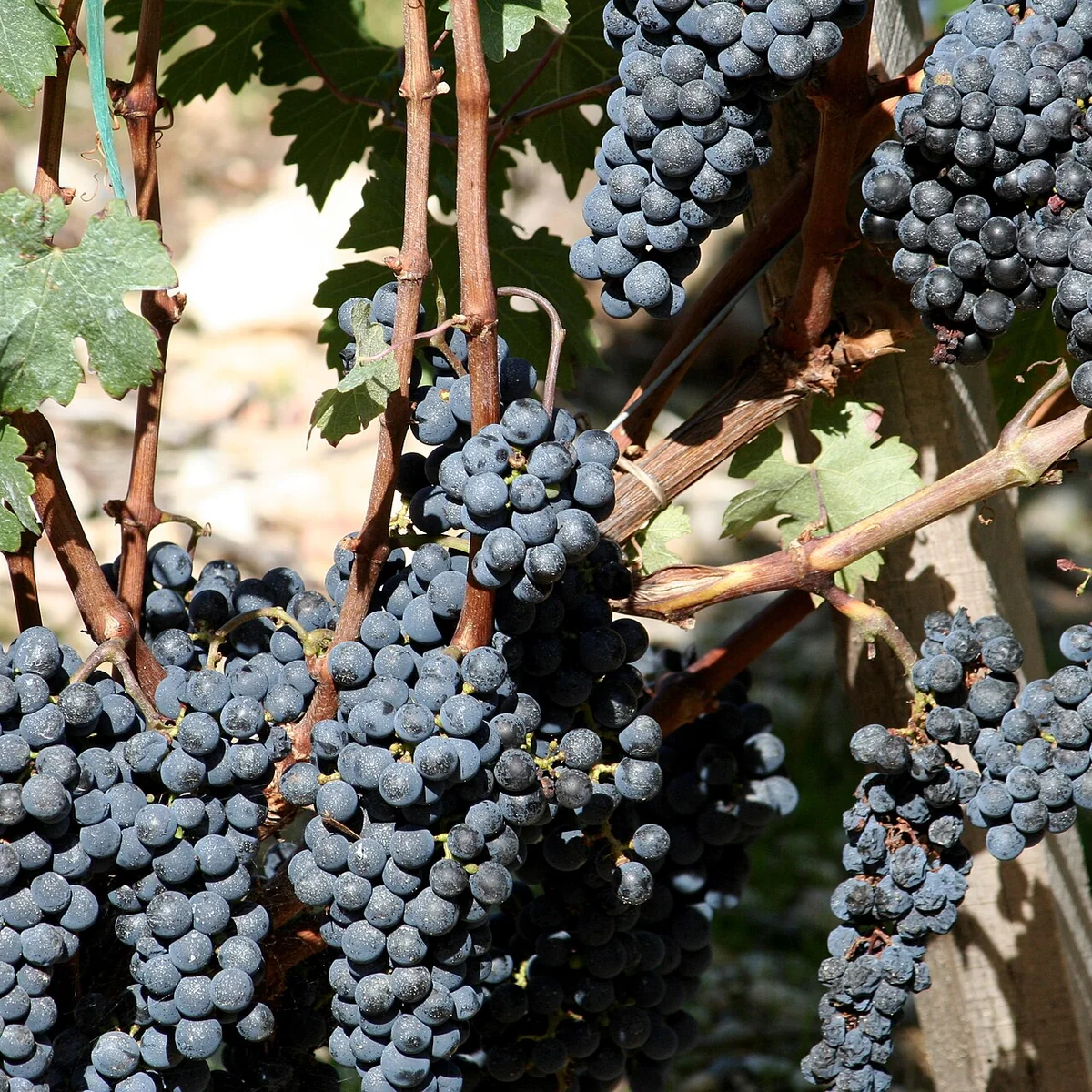 Image: Megan Mallen / Wikimedia Commons · CC BY 2.0
The nose offers blackberry, blackcurrant and ripe plum alongside cigar smoke and a touch of oak vanilla. The palate is medium-bodied with fine, moderately firm tannins; black fruit, plum and liquorice spread evenly, with the oak well integrated. The finish is fresh and of medium length – true to the "fresh and soft" spirit the estate attributes to the 2017 vintage.
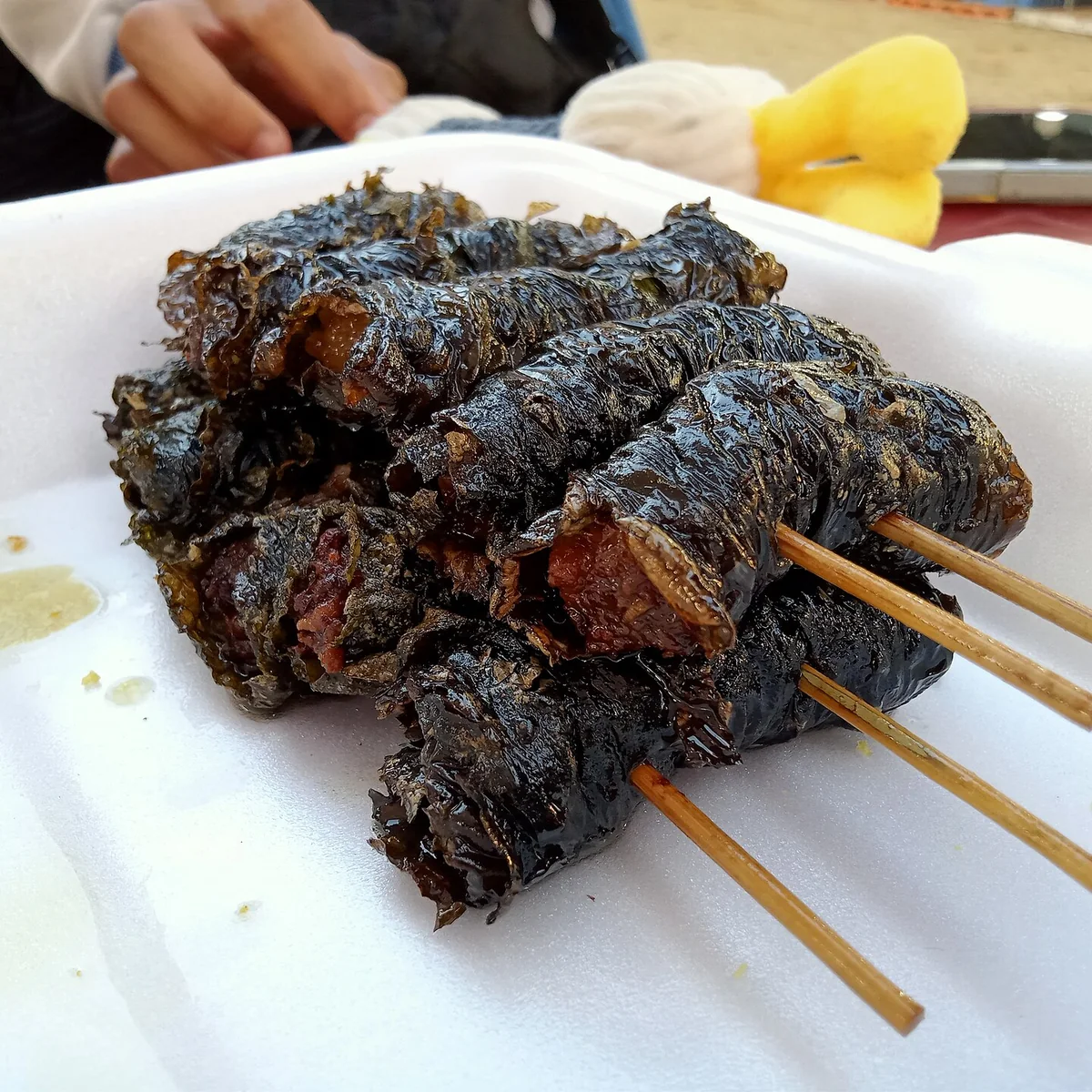 Image: Baoothersks / Wikimedia Commons · CC BY 4.0
Serve at 16–17 °C in a Bordeaux glass; opening the bottle 30–60 minutes beforehand is enough, with no need for long decanting. As a vintage that leans toward freshness, the wine is in an easy-drinking phase; Cambridge Wine Merchants recommend drinking it before 2030. It pairs well with roast duck, roast chicken, grilled pork loin and soft-rind cheeses; among Vietnamese dishes, we suggest grilled beef in betel leaves (bò nướng lá lốt) or Huế-style nem lụi with peanut sauce. Best drinking window: until 2030.
Dry; medium acidity; medium, velvety tannins; medium+ to full body.
Roast duck, beef stew, honey-glazed ribs, roast pork, spaghetti Bolognese, pizza.
Ripens 1–2 weeks earlier than Cab → suits the cold clay soils of Bordeaux's Right Bank. Soft tannins make it easy to drink young and "soften" Cab in blends. The most widely planted variety in France (112.000 ha).
Scores of 0–10 and the 1–5 scale are a profile for reference of the Merlot variety (France – Right Bank Bordeaux (Saint-Émilion, Pomerol) & Bordeaux AOC (red)), converted from the published figures for residual sugar, acidity, tannin and alcohol — according to the KIDO Wine Flavour Guide; not a separate measurement of this bottle.
Château Saint-Paul is a Cru Bourgeois estate in Saint-Seurin-de-Cadourne, the northernmost village of the AOC Haut-Médoc, right next to Saint-Estèphe. The legal entity Société civile du Château Saint-Paul was established in 1979 and is associated with the Beguerre and Lacaze families; according to idealwine, the consultant Stéphane Derenoncourt has worked with the estate since 2009, while the official website states that Arnaud Villette has shaped the last 25 vintages. The 2017 vintage was made a few years before Saint-Paul was merged with Château Charmail and Château Bardis in 2021.
The vineyard of about 20 ha is planted in a single block on gravel and clay, facing south and looking across to Saint-Estèphe. The merchant Cambridge Wine Merchants lists the vineyard's composition as Merlot 50 %, Cabernet Sauvignon 40 %, Cabernet Franc 8 % and Petit Verdot 2 %; the 2017 blend alone is described as Merlot 60 %, Cabernet Sauvignon 34 % and Cabernet Franc 6 %. The estate does not publish details of fermentation and ageing for this vintage; idealwine only notes that the estate's general style is full-bodied, powerfully aromatic, well coloured and with good ageing potential.
As for flavour, the official website sums up the 2017 vintage in three words: fresh, soft and balanced. Cambridge Wine Merchants' description goes into more detail: blackberry, blackcurrant, cigar smoke and vanilla on the nose; blackcurrant, plum, liquorice and oak blended together on the palate, with very fine tannins, medium body and a fresh finish. The importer's note in the price list adds strawberry, tobacco and a moderate length, observing that a few years in bottle have helped the wine become rounder.
The 2017 vintage appears on the 10th Cru Bourgeois du Médoc list – the last annual selection, published in September 2019 with 226 châteaux. From the 2018 vintage, the Alliance des Crus Bourgeois moved to a three-tier classification (Cru Bourgeois, Supérieur, Exceptionnel), published in February 2020; for the 2017 vintage, therefore, the designation is simply "Cru Bourgeois", without the Supérieur or Exceptionnel tiers. Falstaff scored the 2017 90/100 when Peter Moser tasted it in May 2018, while the wine was still in barrel, praising it as elegant, with a mineral touch, red berries and a savoury finish; according to Wine-Searcher, this vintage also received a Gold Medal at the Concours Général Agricole Paris 2019. For other vintages, Roger Voss of Wine Enthusiast scored 89/100 for 2011 and 90/100 for 2021. On Vivino, the 2017 bottle holds a rating of 3.8/5 from 257 reviews.
With its medium body and soft tannins, the wine suits everyday meals better than very heavy dishes: roast duck, roast chicken, pork loin, liver pâté and soft-rind cheeses. In Huế cuisine, charcoal-grilled nem lụi or beef grilled in betel leaves, with their smoky and herbal notes, complement the wine's black fruit and tobacco character. A temperature of 16–17 °C preserves the freshness that the estate emphasises.
Cambridge Wine Merchants recommend drinking it before 2030, so at present the wine is in a fine phase for opening. According to Vivino, the bottle is closed with a natural cork; store it horizontally in a dark, cool and stable place.
Deep ruby with violet hues, evoking cherry, liquorice and fresh herbs; medium-bodied, elegant, with a mineral touch, red berries, a hint of nougat and a savoury finish — Falstaff (Peter Moser), 2018
Tense and structured, with black cherry aromas and firm tannins; juicy black-fruit texture, firm finish (2021 vintage) — Wine Enthusiast (Roger Voss), 2025
Content compiled from producers and professional review sites, objectively descriptive in nature; scores and awards are as per the cited sources.