Red wine Château Les Millaux AOC Bordeaux Rouge 2020
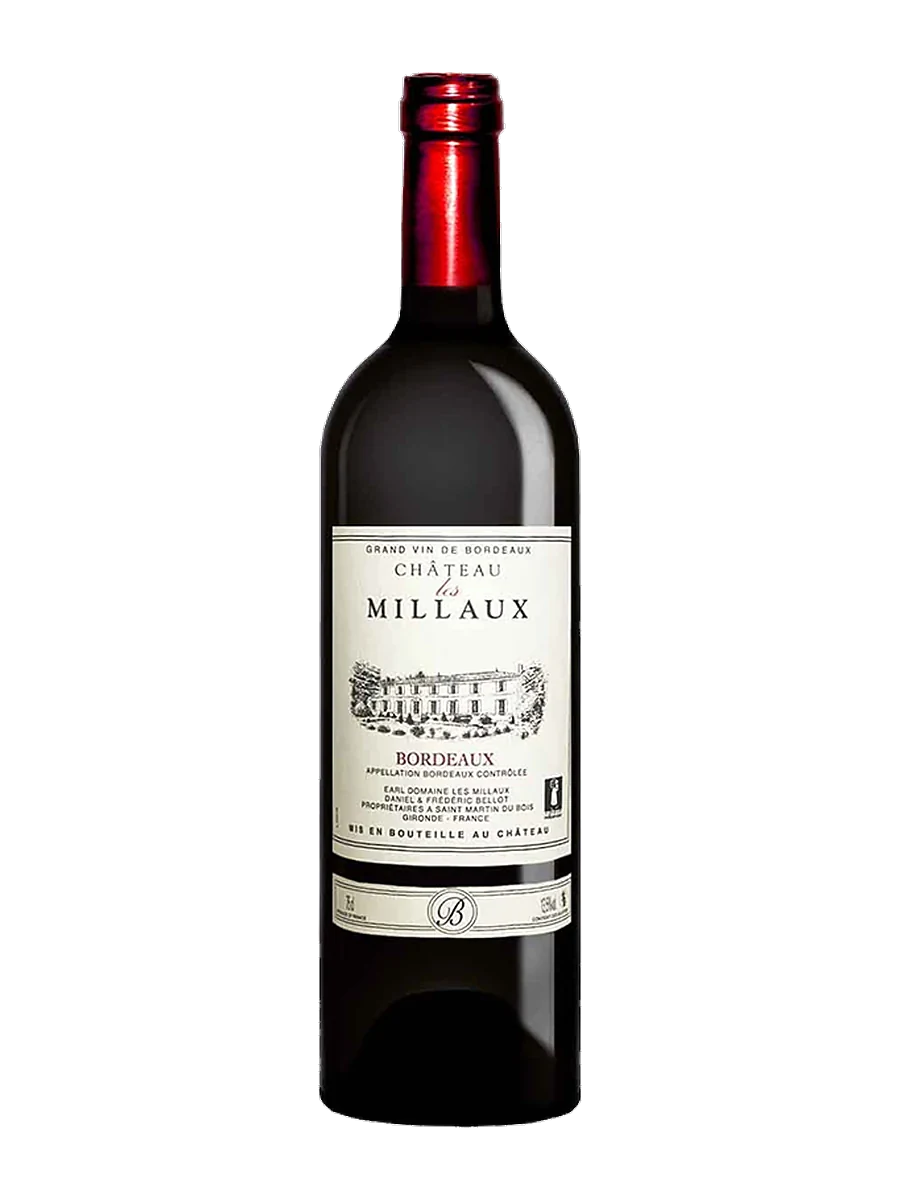
Vintage2020
Price540.000 ₫
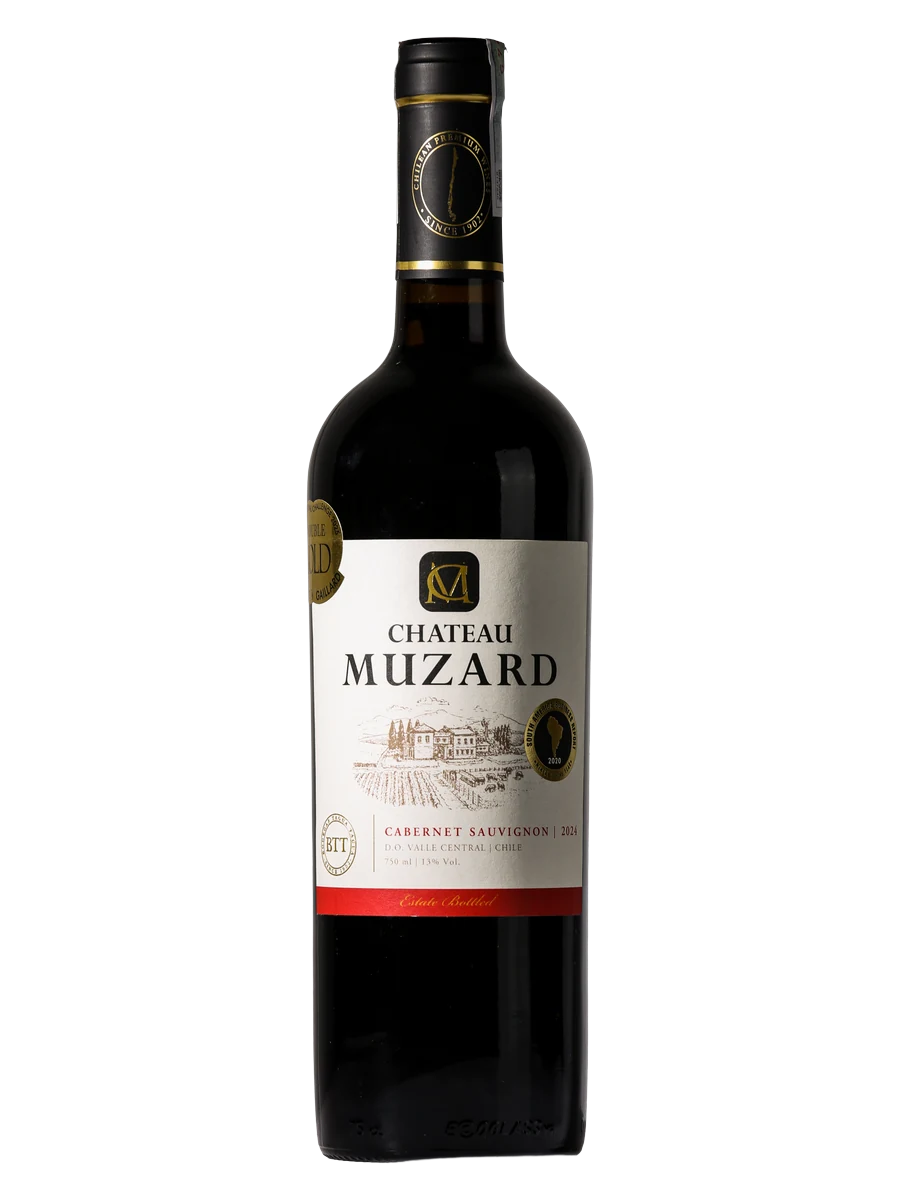
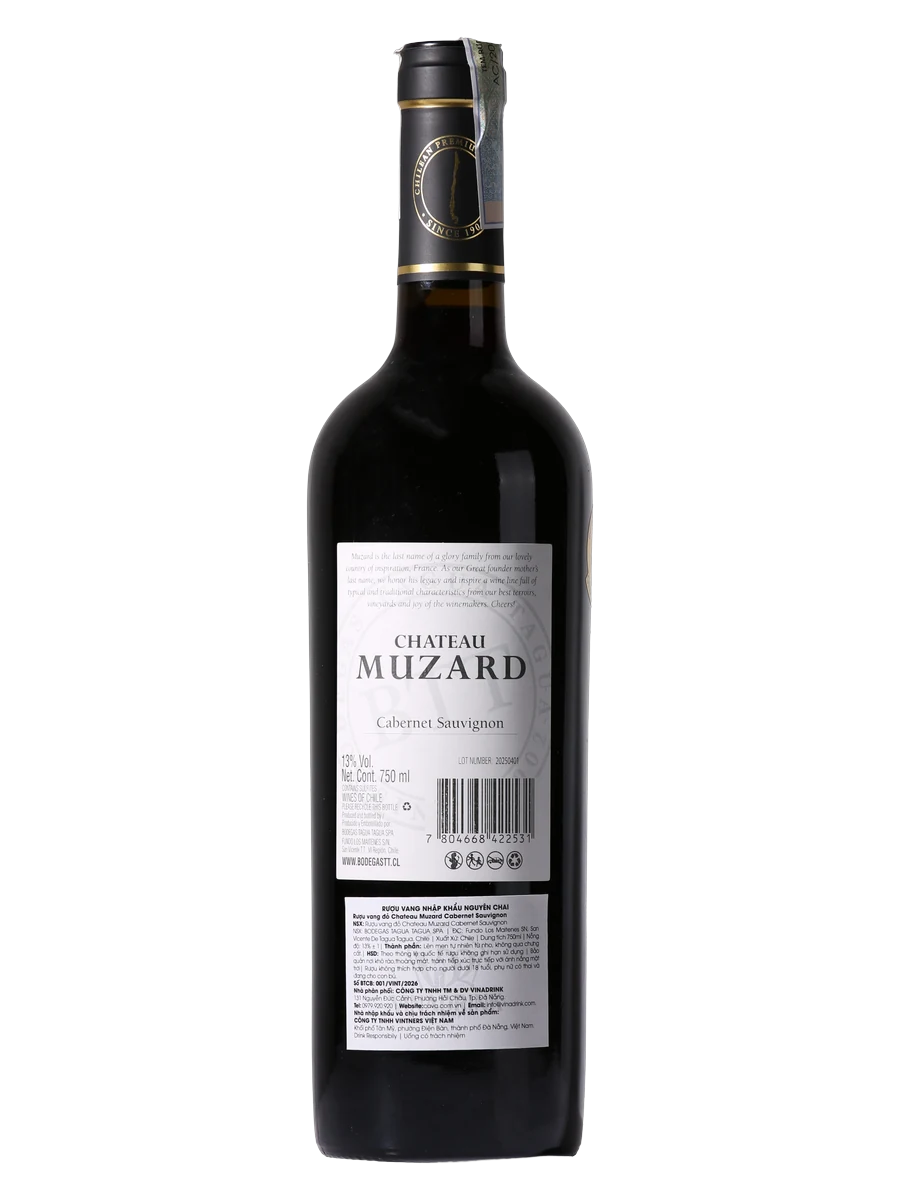
Cabernet Sauvignon 2024 is a red wine at the "Estate Bottled" tier – the entry level of the Chateau Muzard range produced by Bodegas Tagua Tagua (BTT) in San Vicente de Tagua Tagua. The white label with a red band states
Product intended for persons aged 18 and over. Drinking alcohol and beer is harmful to your health. Product information is objectively descriptive in nature.

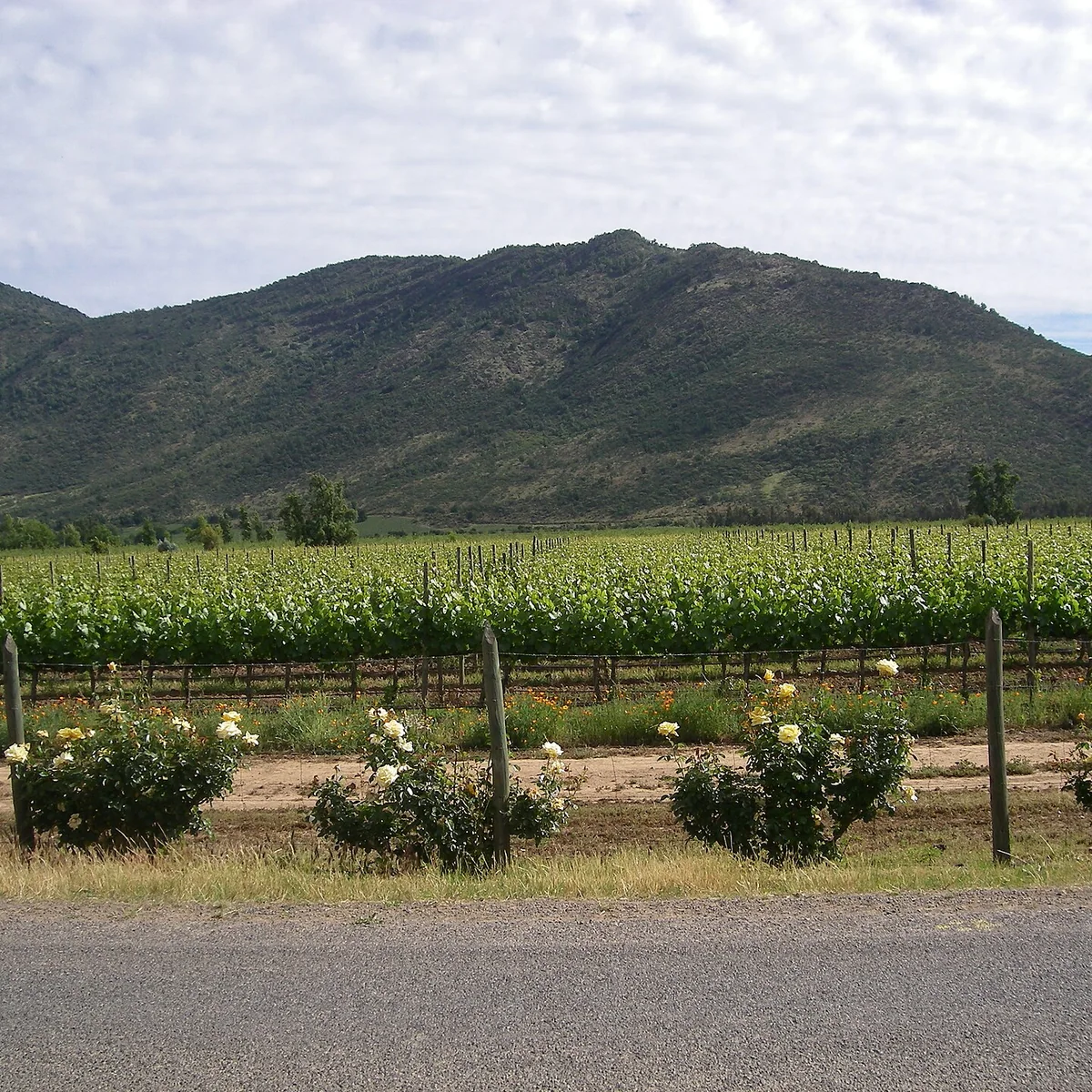 Image: R.A.T.P. / Wikimedia Commons · CC BY-SA 3.0
Cabernet Sauvignon 2024 is a red wine at the "Estate Bottled" tier – the entry level of the Chateau Muzard range produced by Bodegas Tagua Tagua (BTT) in San Vicente de Tagua Tagua. The white label with a red band states its origin as D.O. Valle Central; the black capsule is printed with a map of Chile and the words "Chilean Premium Wines". The winery has not published specific technical data; the importer describes the wine as ruby in colour, full-bodied and rich in berry fruit.
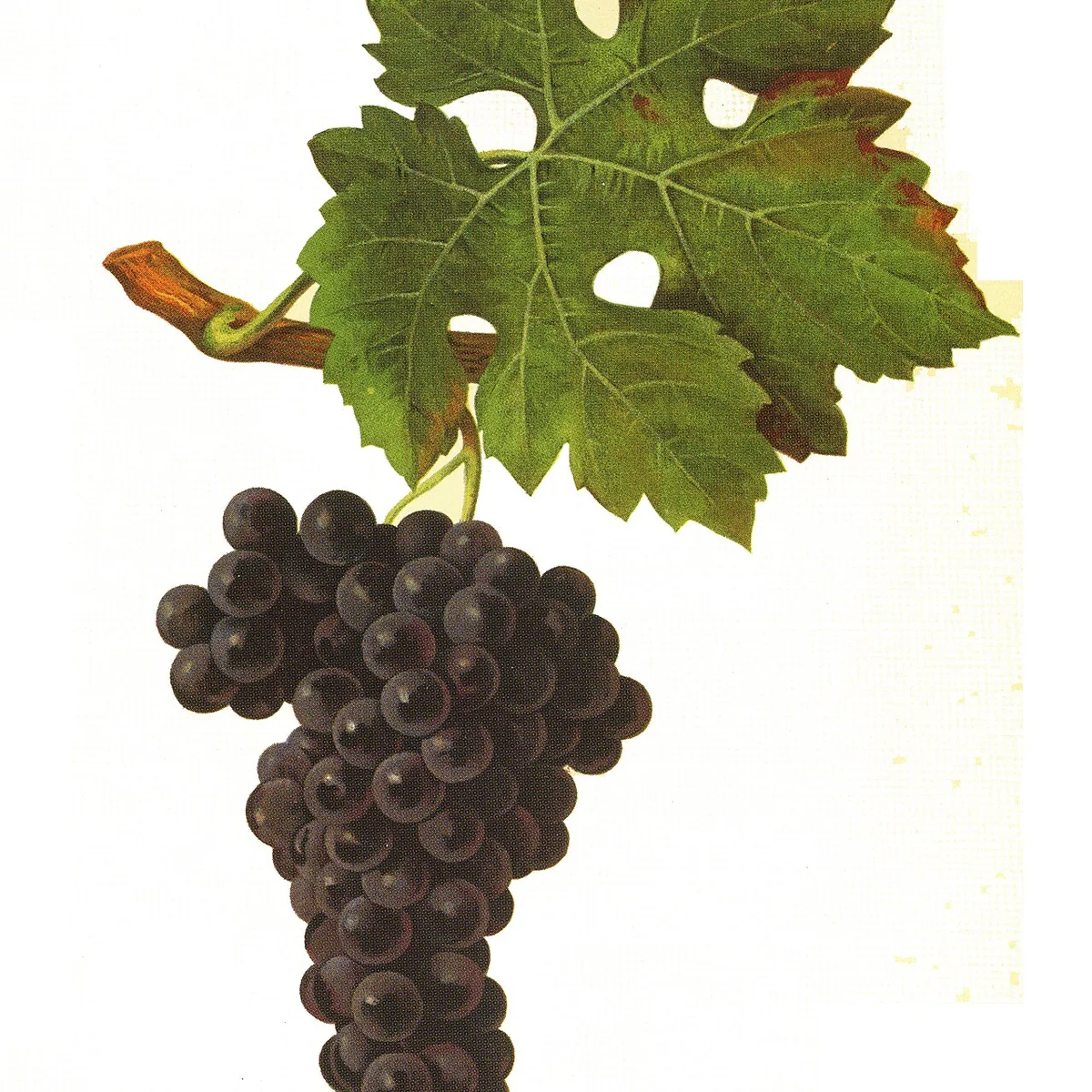 Image: Jules Troncy / Wikimedia Commons · Public domain
According to the importer's notes, the wine is ruby red in colour, with a pronounced aroma and a full-bodied palate. The fruit layer includes blackberry, cherry and strawberry with a touch of citrus and grapefruit; behind it come oak, tobacco and vanilla. The producer has not published tasting notes for the 2024 vintage, so the tannin structure and the length of the finish have not been confirmed.
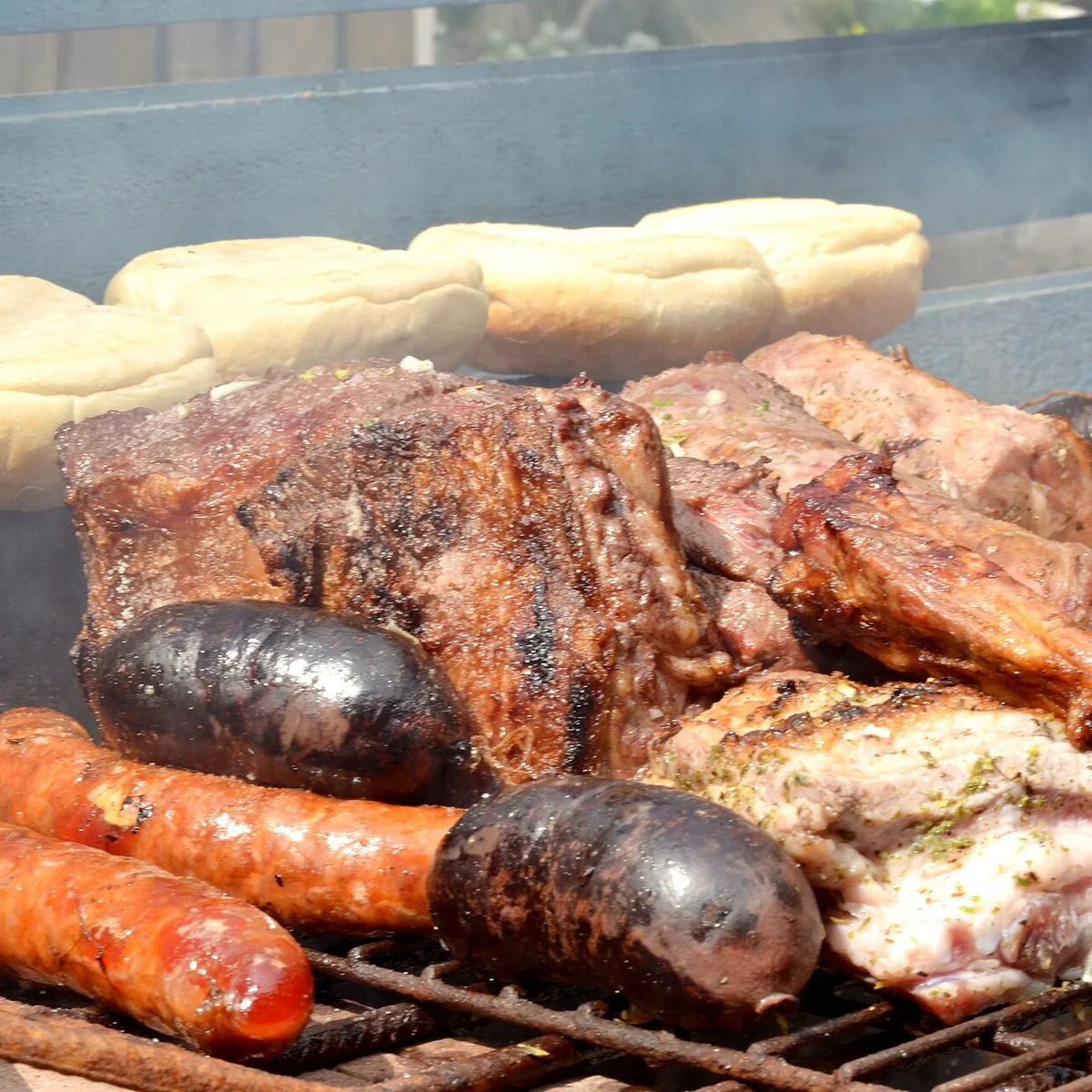 Image: Mariela Morales / Wikimedia Commons · CC0
Serve at around 16–18 °C in a medium-sized red wine glass; you may open the bottle 15–20 minutes beforehand to let the fruit aromas open up. This is an everyday red wine to be enjoyed young. Suitable pairings include grilled meats, sausages and pizza; with Huế cuisine, charcoal-grilled nem lụi, grilled beef wrapped in betel leaf (bò nướng lá lốt) and lemongrass-grilled pork chops all go well thanks to the wine's berry fruit and its oak and tobacco notes.
Dry; medium+ to high acidity; high tannin; full body.
Steak, Vietnamese shaking beef (bò lúc lắc), grilled lamb chops, sizzling beef steak (bò né); hard cheeses (cheddar, aged gouda).
Thick skins and many seeds → deep colour, firm tannins, ageing potential of 10–30+ years. Late ripening, so it needs a long sunny season. The most widely planted wine grape in the world.
Scores of 0–10 and the 1–5 scale are a profile for reference of the Cabernet Sauvignon variety (Chile – Maipo, Colchagua, Cachapoal (red)), converted from the published figures for residual sugar, acidity, tannin and alcohol — according to the KIDO Wine Flavour Guide; not a separate measurement of this bottle.
In the Chateau Muzard range from Bodegas Tagua Tagua (BTT), Cabernet Sauvignon is the entry-level red, sitting in the same "Estate Bottled" tier as the Sauvignon Blanc. It is quite recognisable: a white label printed with a sketch of a house amid a vineyard, an interlaced "CM" monogram on a black background, and a red band below; the black capsule carries a map of Chile and the line "Chilean Premium Wines – Finest Quality". The origin printed on the label is D.O. Valle Central, the wine region stretching from Metropolitana down through O'Higgins and Maule.
Cabernet Sauvignon is the most widely planted grape in the O'Higgins region – where BTT is headquartered – with around 19,130 ha according to 2014–2015 figures, out of nearly 59,746 ha of vineyards in the region. BTT does not say which of the family's roughly 500 ha in Rapel and Maule the grapes for this label come from. The company profile describes only its red winemaking in general terms: the grapes are destemmed and lightly crushed so as not to extract too much from the seeds, cold-soaked at 10 °C for 48 hours, fermented at 27–29 °C for up to 15 days, given further post-fermentation maceration to soften the tannins early, and then moved to another tank for malolactic fermentation. Depending on the wine, it is kept in stainless steel tanks or French oak barrels; for this entry-level label, the winery does not state clearly whether any oak is used.
The importer describes the wine as ruby red, with a pronounced aroma and a full-bodied palate, with a succession of notes of blackberry, cherry, strawberry, citrus, grapefruit, oak, tobacco and vanilla. More broadly, Chilean Cabernet Sauvignon is commonly described as easy-drinking with soft tannins, evoking mint, blackcurrant, olive and smoke; in warm valleys such as Colchagua, the ripe fruit is so full that it gives an impression of sweetness. No score from a critic or a Vivino page specific to this label has been found for the 2024 vintage.
With a Vietnamese menu, a young Cabernet like this suits moderately grilled dishes: Huế nem lụi rolled in rice paper with fresh herbs, grilled beef in betel leaf, and lemongrass-grilled pork chops. A serving temperature of around 16–18 °C is enough to bring out the fruit without the alcohol feeling heavy; opening the bottle a few minutes beforehand helps the aromas lift, and decanting is not needed.
The producer does not give a cellaring window. As an everyday wine, it is best enjoyed while the fruit is still fresh. The BTT profile states that the winery's wines are cold-stabilised at −2 °C and rest in bottle for at least six months before release; when storing, bottles should be kept in a dark, cool place. The type of closure has not been disclosed.
Content compiled from producers and professional review sites, objectively descriptive in nature; scores and awards are as per the cited sources.