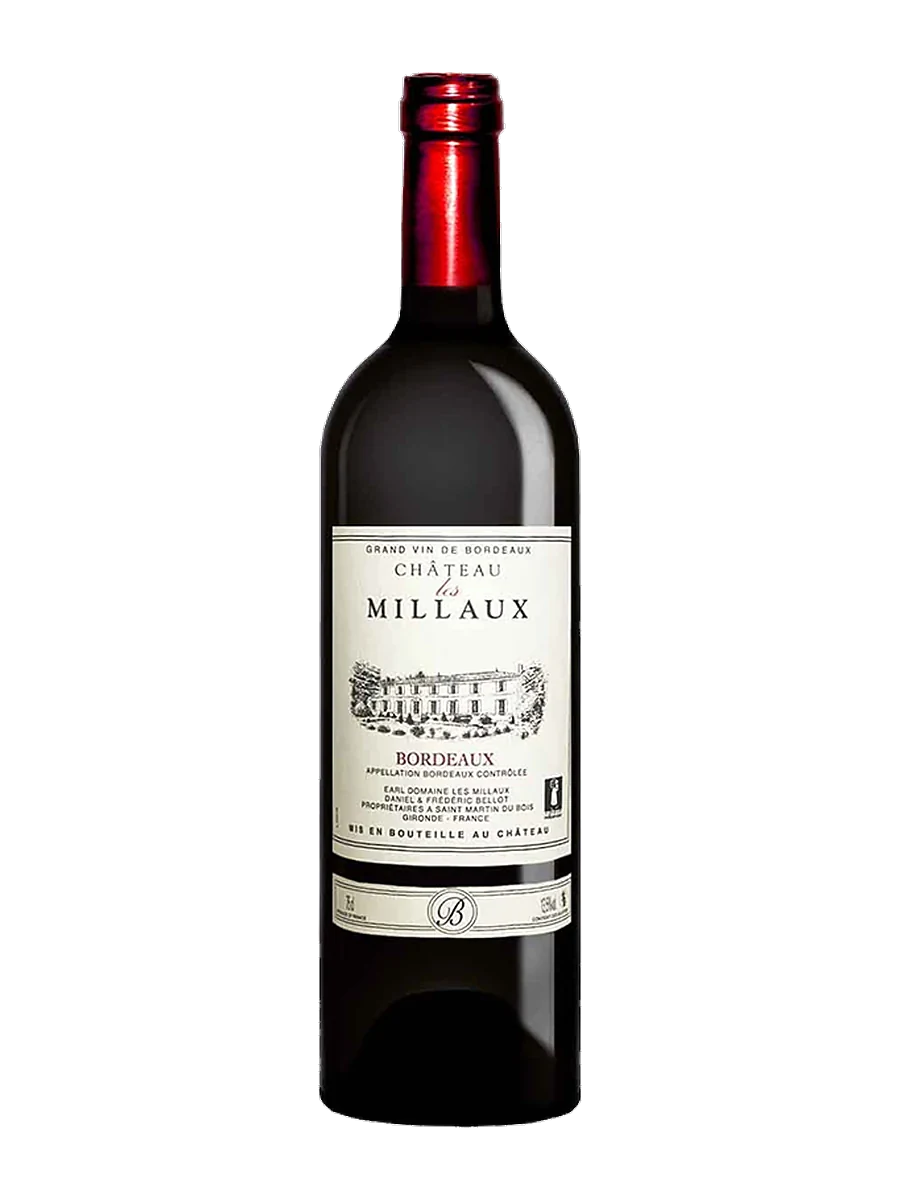
Red wine Château Les Millaux AOC Bordeaux Rouge 2020
Vintage2020
Price540.000 ₫
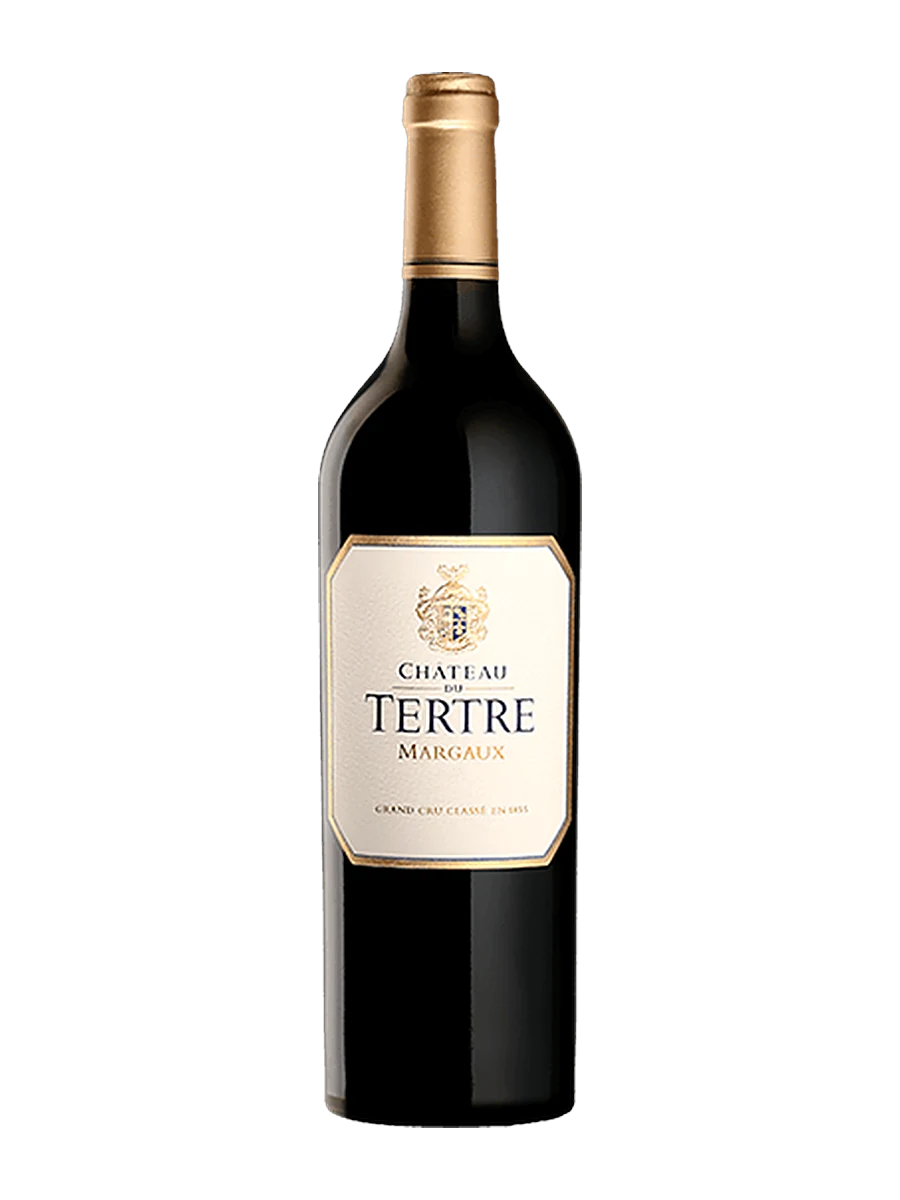
Château du Tertre 2016 is the grand vin of a Fifth Growth Grand Cru Classé estate in Arsac, where 52 hectares of vines in a single block cover one of the highest gravel mounds in Margaux. The 2016 is up to 75% Cabernet S
Product intended for persons aged 18 and over. Drinking alcohol and beer is harmful to your health. Product information is objectively descriptive in nature.

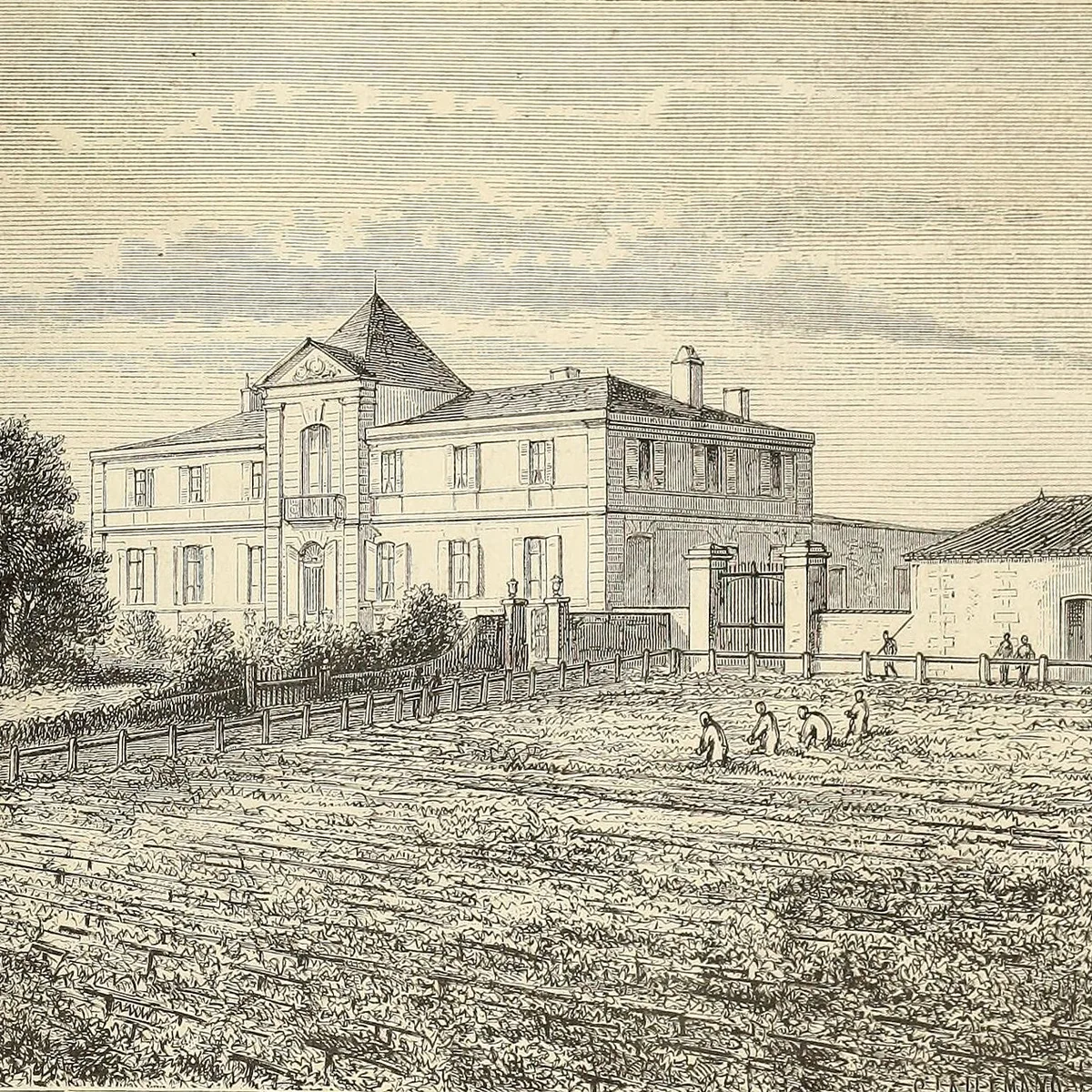 Image: Charles Lallemand / Wikimedia Commons · CC0
Château du Tertre 2016 is the grand vin of a Fifth Growth Grand Cru Classé estate in Arsac, where 52 hectares of vines in a single block cover one of the highest gravel mounds in Margaux. The 2016 is up to 75% Cabernet Sauvignon, with 10% Merlot, 10% Cabernet Franc and 5% Petit Verdot, aged for about 12–15 months in French oak barrels. A classic Margaux style: floral perfume, mineral lift and fine-grained tannins.
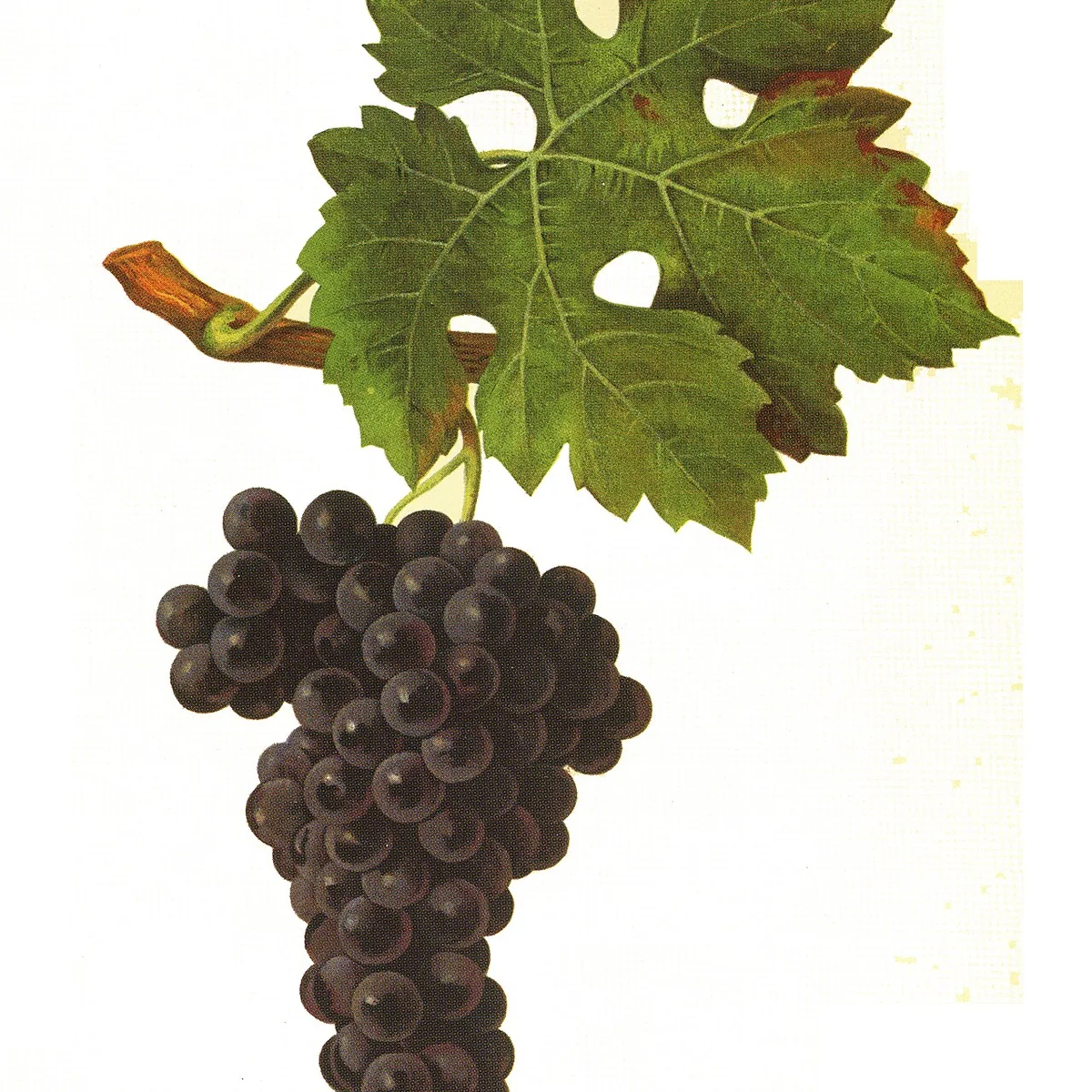 Image: Jules Troncy / Wikimedia Commons · Public domain
The nose balances blueberry, raspberry and a flinty mineral note, as Millesima describes it; James Suckling also finds dried berries, chocolate and plum. Jeb Dunnuck notes sweet red fruit, dried flowers, balsam wood and spice. The palate is medium- to full-bodied, with a slightly salty, mineral attack and crisp yet rounded tannins; The Wine Society mentions graphite and blackberry. The finish is long and fresh.
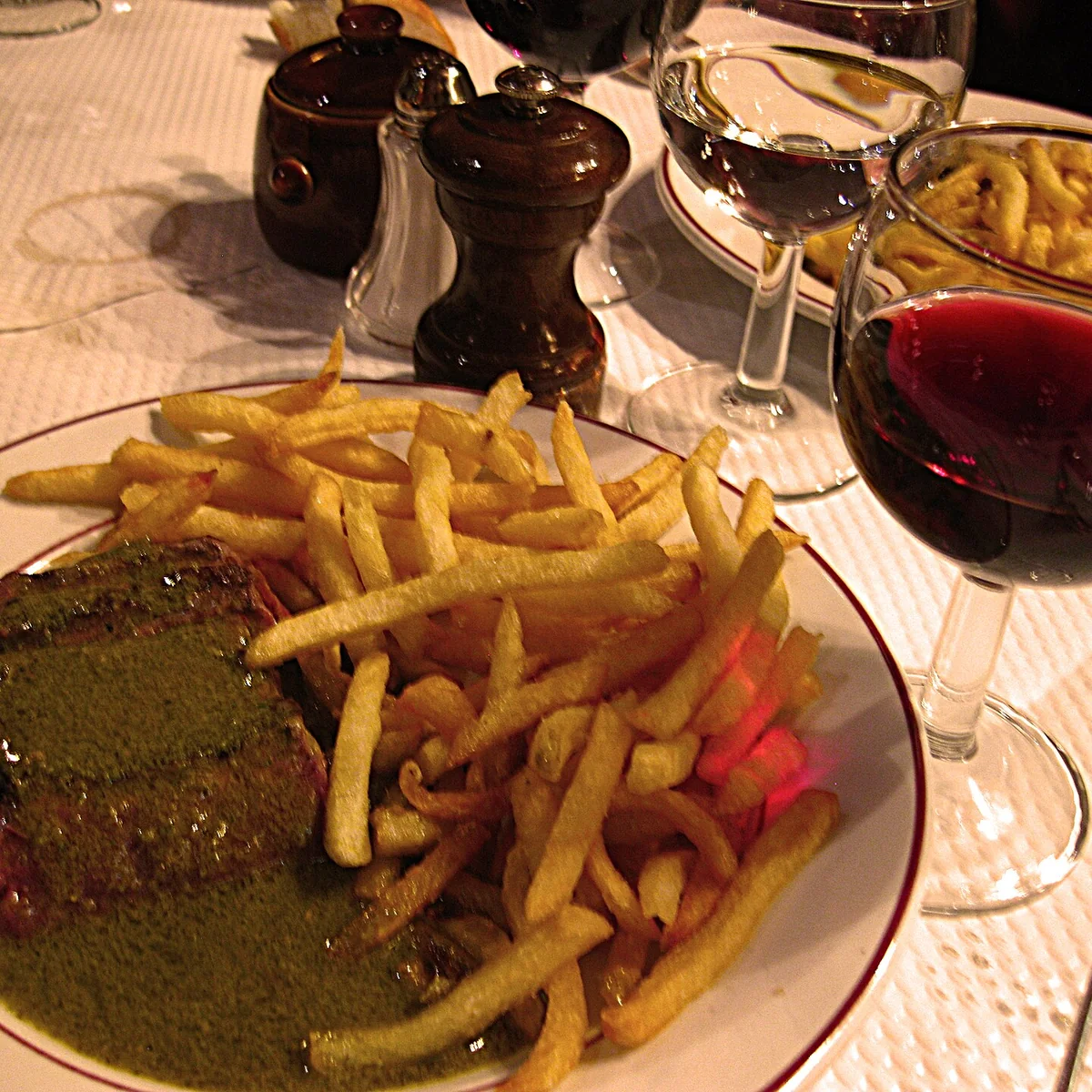 Image: Leon Brocard / Wikimedia Commons · CC BY 2.0
Serve at about 17 °C; decant for roughly an hour to soften the Cabernet tannins, and pour into a tall Bordeaux glass. Critics place the drinking window around 2024–2034. It pairs well with grilled beef ribs, pan-seared lamb loin served pink, and roast duck; among Vietnamese dishes, grilled beef in betel leaf, stir-fried goat with lemongrass and curry, or Huế-style charcoal-grilled ribs are sensible choices. Best drinking window: 2024–2033.
Dry; medium+ to high acidity; high tannin; full body.
Steak, Vietnamese shaking beef (bò lúc lắc), grilled lamb chops, sizzling beef steak (bò né); hard cheeses (cheddar, aged gouda).
Thick skins and many seeds → deep colour, firm tannins, ageing potential of 10–30+ years. Late ripening, so it needs a long sunny season. The most widely planted wine grape in the world.
Scores of 0–10 and the 1–5 scale are a profile for reference of the Cabernet Sauvignon variety (France – Left Bank Bordeaux (Médoc, Pauillac, Margaux) – blend, Cab-dominant (red)), converted from published residual sugar, acidity, tannin and alcohol data — according to the KIDO Wine Flavour Guide; not a separate measurement of this bottle.
The French word “tertre” means a mound, and that is also the key to this wine: Château du Tertre’s 52 hectares of vines lie in a single block around the château in Arsac, on one of the highest gravel mounds in the Médoc, about 24 m above sea level. The estate was classified a Fifth Growth Grand Cru Classé in 1855; the 2016 was made under the Albada Jelgersma family, owners since 1997, before the Helfrich family took over in 2021. This is the estate’s principal wine, ranking above the second wine, Les Hauts du Tertre.
According to the estate, the soil was formed during the Quaternary ice ages, when great storms carried gravel and pebbles down from the Pyrenees and buried them in a sandy base; gravel ridges 3–5 m thick keep the soil cool and deep. The vineyard is planted with Cabernet Sauvignon, Merlot, Petit Verdot and Cabernet Franc; since 2008 new plantings have gradually moved to biodynamic farming (biodynamie), which now covers around 80% of the vineyard, interspersed with 3 km of green hedgerows that shelter insects and birds. The grapes are hand-picked, sorted by optical sorter, then flow by gravity into concrete tanks (including egg-shaped ones), wooden vats or stainless steel; maceration time and extraction are adjusted plot by plot.
The 2016 is up to 75% Cabernet Sauvignon, with 10% Merlot, 10% Cabernet Franc and 5% Petit Verdot, aged for about 12–15 months in French oak barrels; merchants report the proportion of new barrels differently, 50% according to Millesima and 35% according to Farr Vintners. While the wine was still in barrel, James Suckling praised the purity of the Cabernet, the straight tannins and the guiding acidity, while Neal Martin found a salty, mineral attack and a classic, precise Margaux finish. After bottling, Suckling describes a nose of dried berries, chocolate and plum, a full body and round, soft tannins; Jeb Dunnuck picks up sweet red fruit, dried flowers and balsam wood; The Wine Society mentions polished tannins, graphite and blackberry.
Post-bottling scores include 94/100 from James Suckling and 90/100 from Jeb Dunnuck (February 2019), 94/100 from Roger Voss in Wine Enthusiast (May 2019 issue), 90/100 from Lisa Perrotti-Brown in the Wine Advocate (November 2018) and 16/20 from Jancis Robinson (February 2020). Voss finds the wine slightly austere at first, then opening up with rich fruit and structure, needing to wait until after 2025. At the 2017 en primeur tastings, Jane Anson scored it 92/100, Falstaff 93/100 and Tim Atkin 91/100. On Vivino, this vintage holds 4.2/5 from more than 2,000 ratings.
With its clear Cabernet frame, du Tertre 2016 needs dishes with some protein and a little fat: grilled beef ribs, pan-seared lamb loin served pink, roast duck. In a Vietnamese meal, grilled beef in betel leaf, stir-fried goat with lemongrass and curry, or Huế-style charcoal-grilled ribs are sensible pairings. The wine needs about an hour of decanting and should be served at about 17 °C.
The drinking window suggested by critics runs from 2019 to 2034 according to Jeb Dunnuck; The Wine Society recommends drinking until 2033, and James Suckling suggests opening after 2024. In 2026 the wine is in a beautiful phase; as the bottle is closed with natural cork, it should be stored lying down at 12–14 °C with stable humidity.
A very deep and ripe nose of dried berries, chocolate and plum leads to a full body, round, soft tannins and a rich finish — James Suckling, 2019
Always one of the most typical, recognisable Margaux: elegant, highly floral and fresh without needing to be overripe or heavily extracted — Tim Atkin MW, 2017
A standout Margaux with classic aromas of sweet red fruit, dried flowers, balsam wood and spice; medium-bodied, elegant and seamless — Jeb Dunnuck, 2019
Content compiled from producers and professional review sites, objectively descriptive in nature; scores and awards are as per the cited sources.