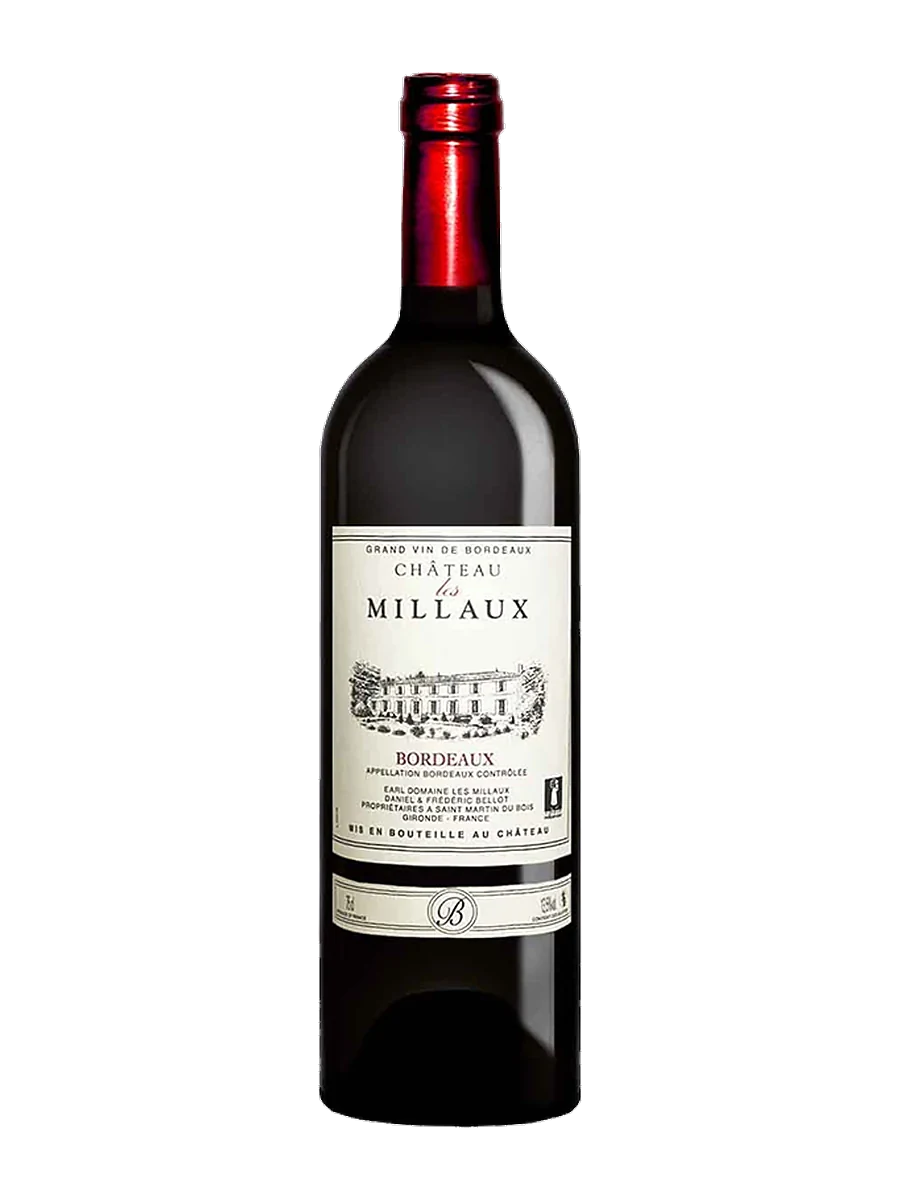
Red wine Château Les Millaux AOC Bordeaux Rouge 2020
Vintage2020
Price540.000 ₫
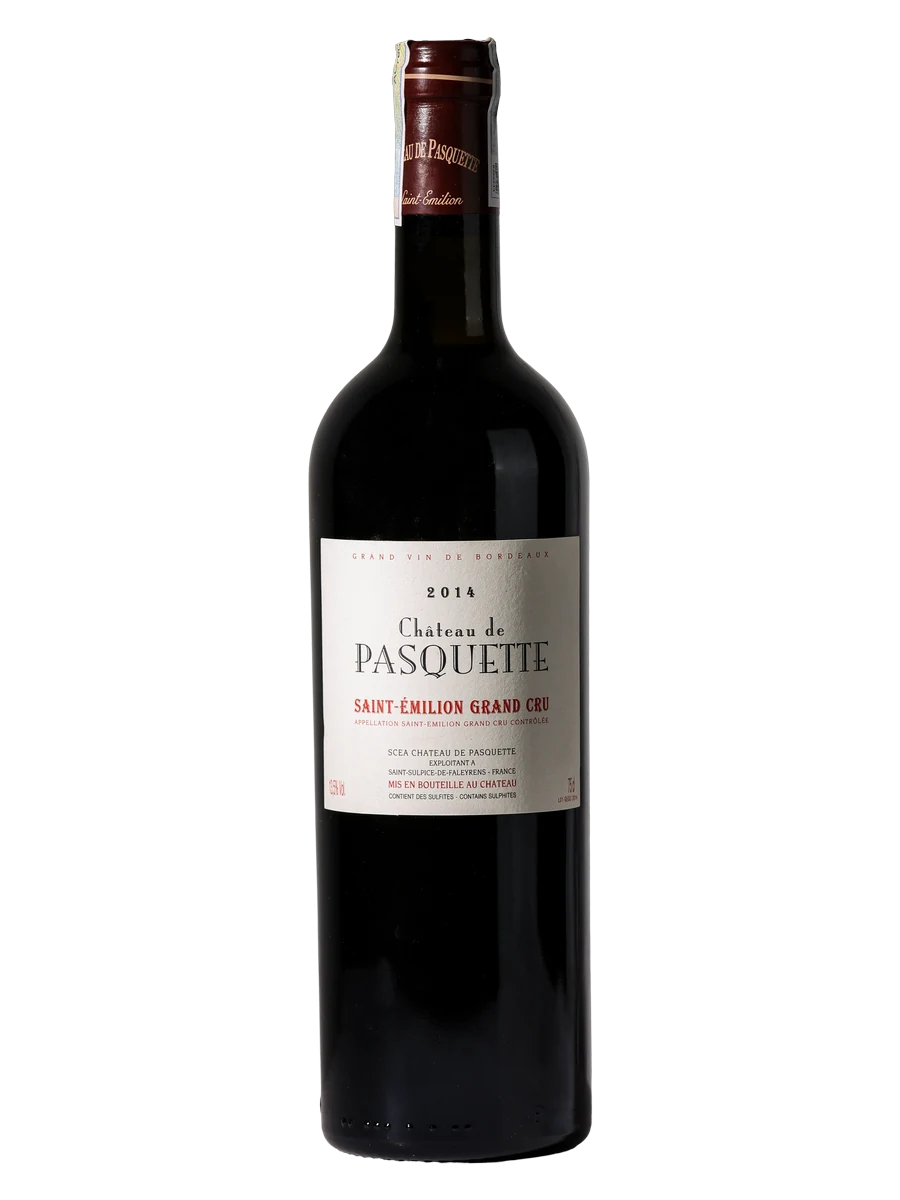
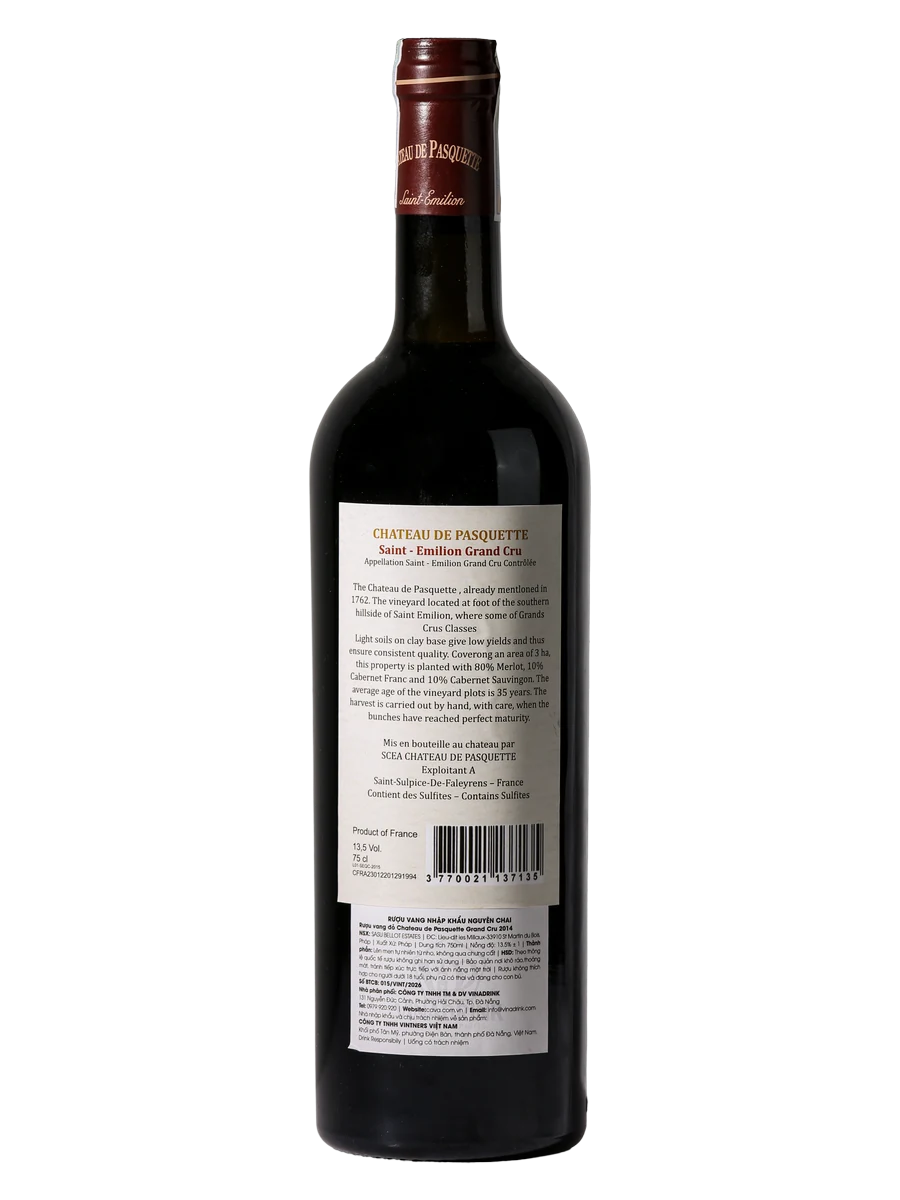
Château de Pasquette 2014 is an AOC Saint-Émilion Grand Cru red wine from a small estate of about 3 ha at the foot of the southern slope of Saint-Émilion, in the commune of Saint-Sulpice-de-Faleyrens. The vineyard is pla
Product intended for persons aged 18 and over. Drinking alcohol and beer is harmful to your health. Product information is objectively descriptive in nature.

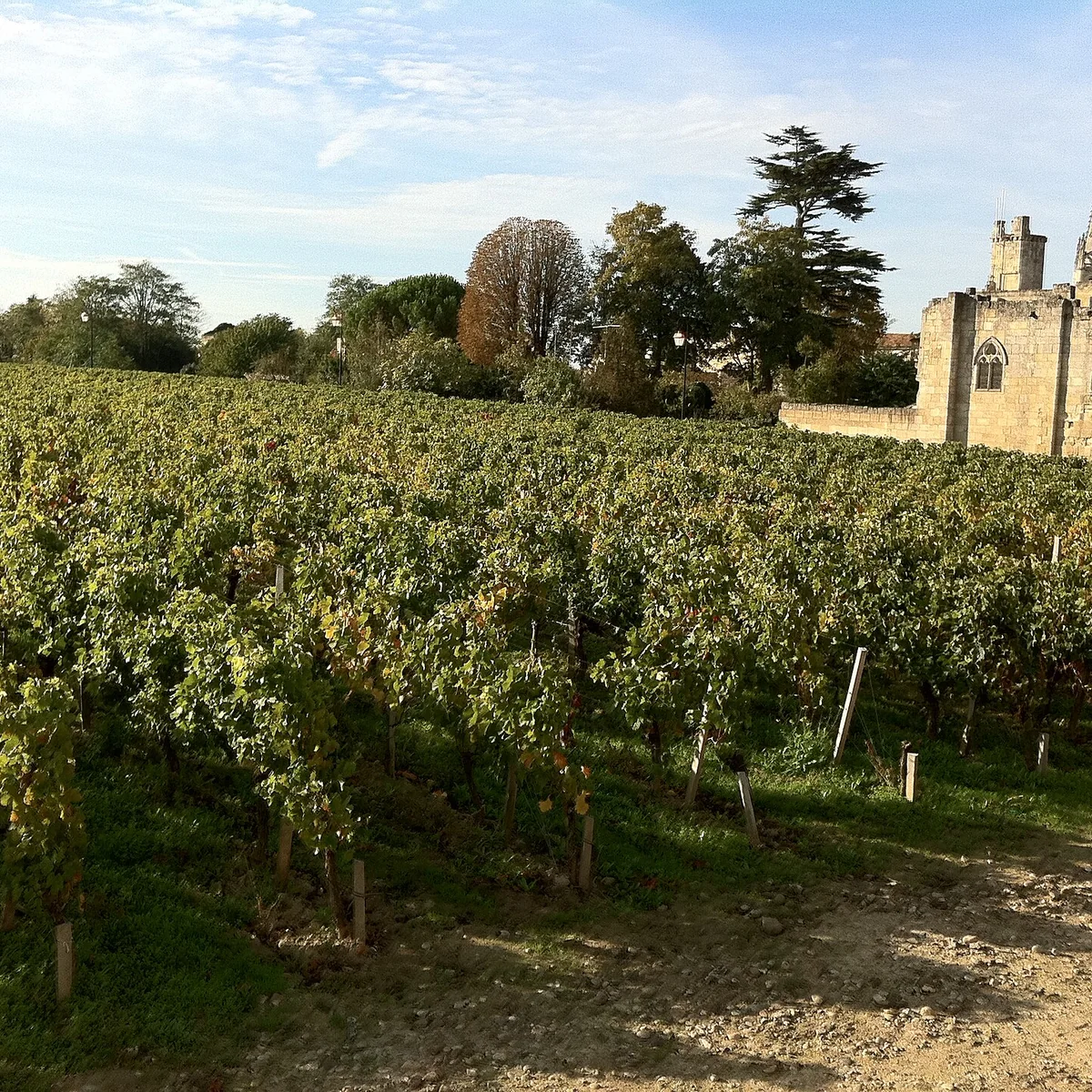 Image: davitydave / Wikimedia Commons · CC BY 2.0
Château de Pasquette 2014 is an AOC Saint-Émilion Grand Cru red wine from a small estate of about 3 ha at the foot of the southern slope of Saint-Émilion, in the commune of Saint-Sulpice-de-Faleyrens. The vineyard is planted with 80% Merlot and 10% each of Cabernet Franc and Cabernet Sauvignon, with an average vine age of 35 years. The grapes are hand-harvested and fermented slowly in stainless steel tanks, then aged in oak barrels, fined with egg whites and bottled at the château.
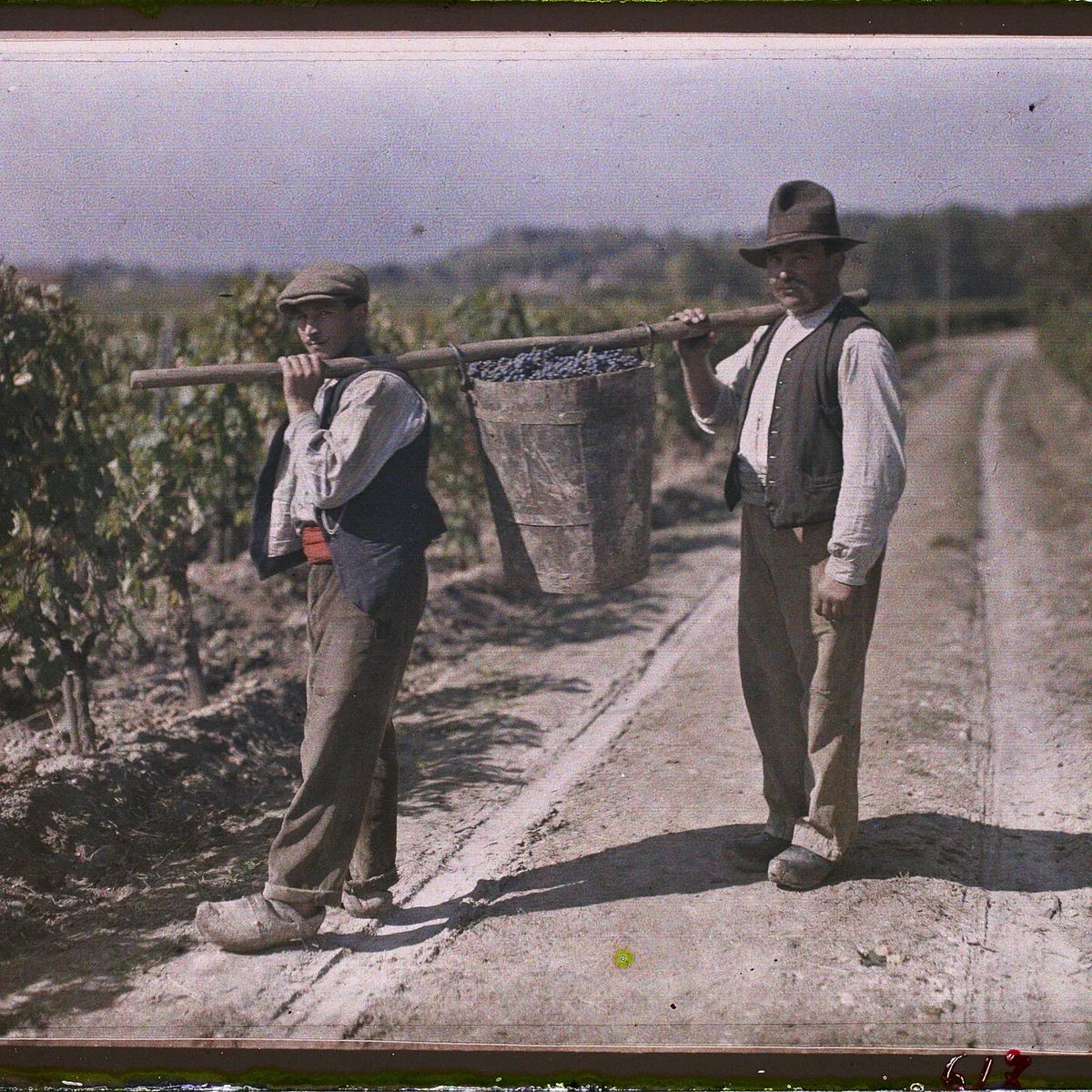 Image: Fernand Cuville / Wikimedia Commons · CC0
The nose offers rose, oak and a touch of leather over a base of red fruit. The palate is supple with rounded tannins; fresh red fruit gradually gives way to dark chocolate, mocha coffee and vanilla. The body is full yet easy to drink, and the finish unfolds in layers – very much in keeping with the "much softness and finesse" that the estate attributes to Pasquette.
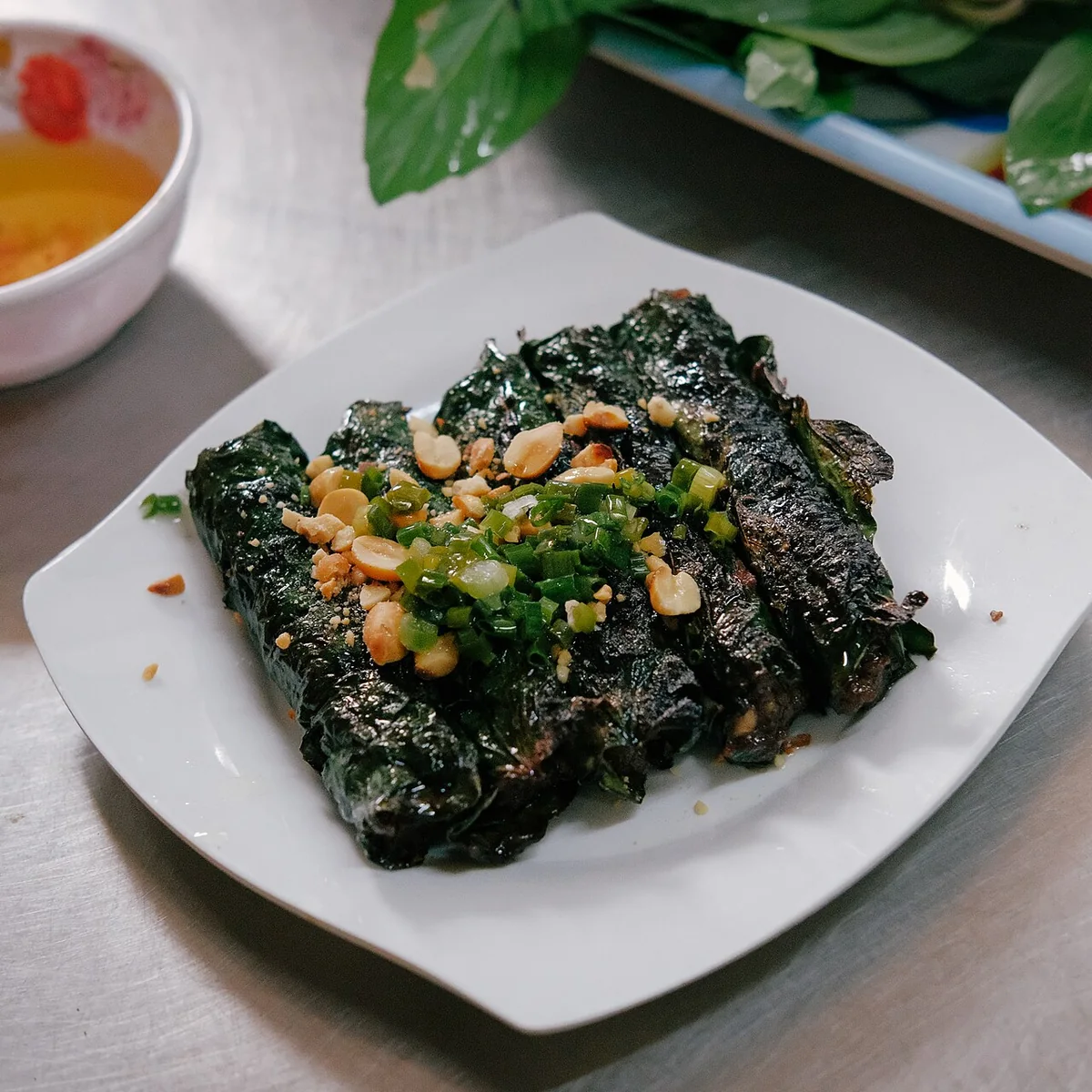 Image: Vinnie Cartabiano / Wikimedia Commons · CC BY 2.0
The estate recommends serving at 18 °C; for a bottle more than ten years old, open it 30–60 minutes beforehand and pour gently to avoid the sediment. The wine suits meat, game and cheese: roast duck, pan-seared beef tenderloin, braised venison. At a Vietnamese table, grilled beef wrapped in lolot leaves or duck braised with fermented tofu is a natural match for the soft, aromatic Merlot.
Dry; medium acidity; medium, velvety tannins; medium+ to full body.
Roast duck, beef stew, honey-glazed ribs, roast pork, spaghetti Bolognese, pizza.
Ripens 1–2 weeks earlier than Cab → suits the cold clay soils of Bordeaux's Right Bank. Soft tannins make it easy to drink young and "soften" Cab in blends. The most widely planted variety in France (112.000 ha).
Scores of 0–10 and the 1–5 scale are a profile for reference of the Merlot variety (France – Right Bank Bordeaux (Saint-Émilion, Pomerol) & Bordeaux AOC (red)), converted from the published figures for residual sugar, acidity, tannin and alcohol — according to the KIDO Wine Flavour Guide; not a separate measurement of this bottle.
Château de Pasquette is a small estate of about 3 ha at the foot of the southern slope of Saint-Émilion; the label reads SCEA Château de Pasquette, commune of Saint-Sulpice-de-Faleyrens. The introductory sheet on the website states that the name Pasquette already appeared on the Belleyme map of 1762 and that the estate was purchased by Monsieur and Madame Jabiol in 1942. The wine carries the AOC Saint-Émilion Grand Cru – an appellation shared across nine communes with AOC Saint-Émilion but more demanding: a maximum yield of 46 hl/ha, ageing until at least February of the second year, and mandatory bottling at the place of production. This is distinct from the Grand Cru Classé title, a separate classification revised roughly every ten years, and Pasquette does not appear in it.
The vineyard lies at the foot of the southern slope of Saint-Émilion, with good sun exposure and shelter from the north wind; a light layer of soil over a clay base gives low yields. The grape composition is 80% Merlot, 10% Cabernet Franc and 10% Cabernet Sauvignon, with an average vine age of 35 years. The grapes are hand-picked at full ripeness and fermented slowly and naturally in stainless steel tanks at moderate temperatures, then aged in oak barrels – the retailer Sành Rượu states 18 months in French oak – before being fined with egg whites and bottled at the château.
According to the importer's notes, the wine is full-bodied with a touch of oak, with a nose of rose, wood and a little leather; the palate opens with red fruit and then moves in waves toward dark chocolate. Sành Rượu describes an easy-drinking style with fresh red fruit, a hint of mocha and vanilla, and soft, silky, elegant tannins. The estate's own sheet emphasises a pleasant bouquet, with much softness and finesse.
No confirmed expert score or medal has been found for the 2014 vintage of Château de Pasquette. As for community ratings, the 2014 vintage scores 4.2/5 on Vivino from 49 ratings; across all vintages, the wine has an average of 4.0/5 from 527 ratings.
The estate recommends serving at 18 °C and pairing it with meat, game and cheese. With its soft Merlot style, the wine suits roast duck, pan-seared beef tenderloin and braised venison; in a Vietnamese meal, grilled beef wrapped in lolot leaves or duck braised with fermented tofu are both pleasant partners.
According to the estate, Pasquette shows quality fairly early yet can still withstand the years in a good cellar. The 2014 bottle is now about twelve years old and is therefore well suited to opening in the near term; store it lying down in a dark, cool place with stable temperature, and stand the bottle upright a day before pouring so the sediment can settle.
Content compiled from producers and professional review sites, objectively descriptive in nature; scores and awards are as per the cited sources.