Red wine Château Les Millaux AOC Bordeaux Rouge 2020
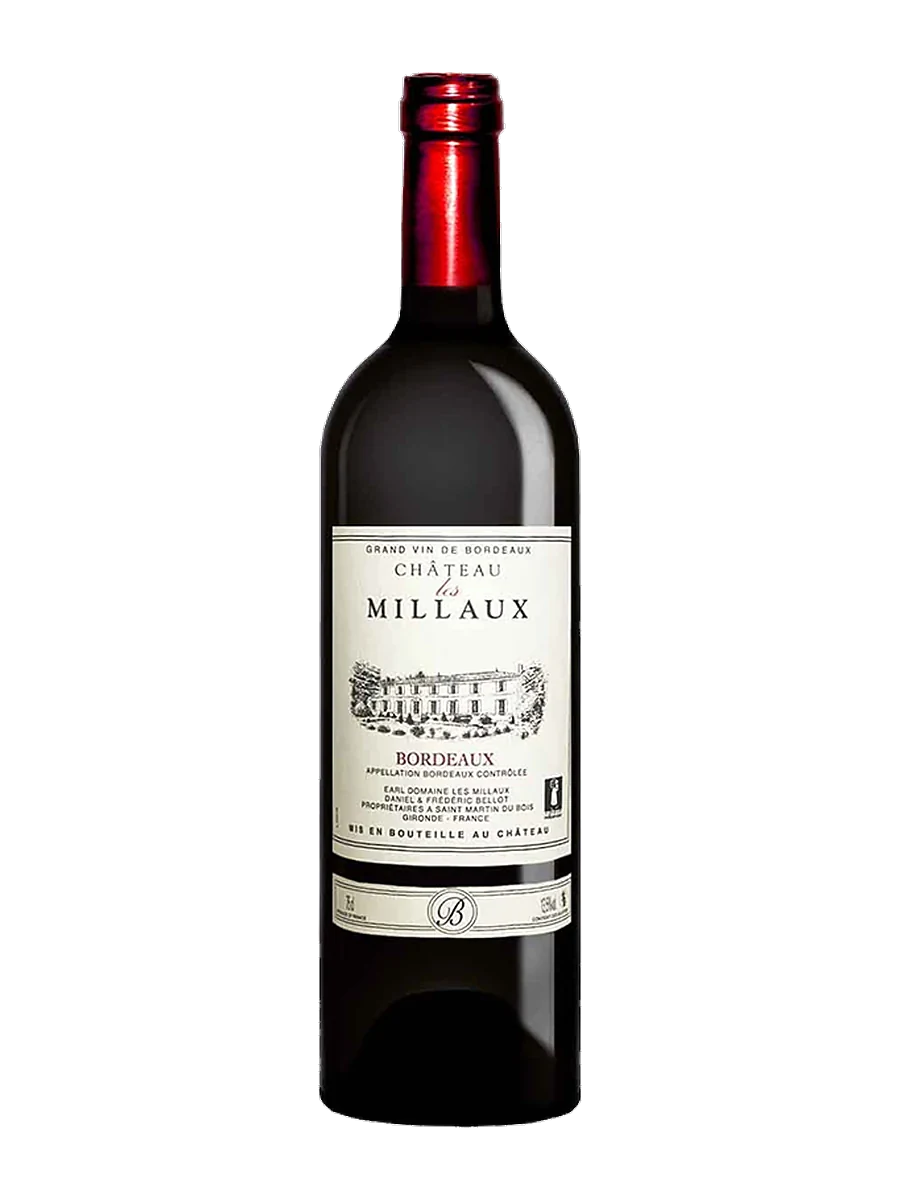
Vintage2020
Price540.000 ₫
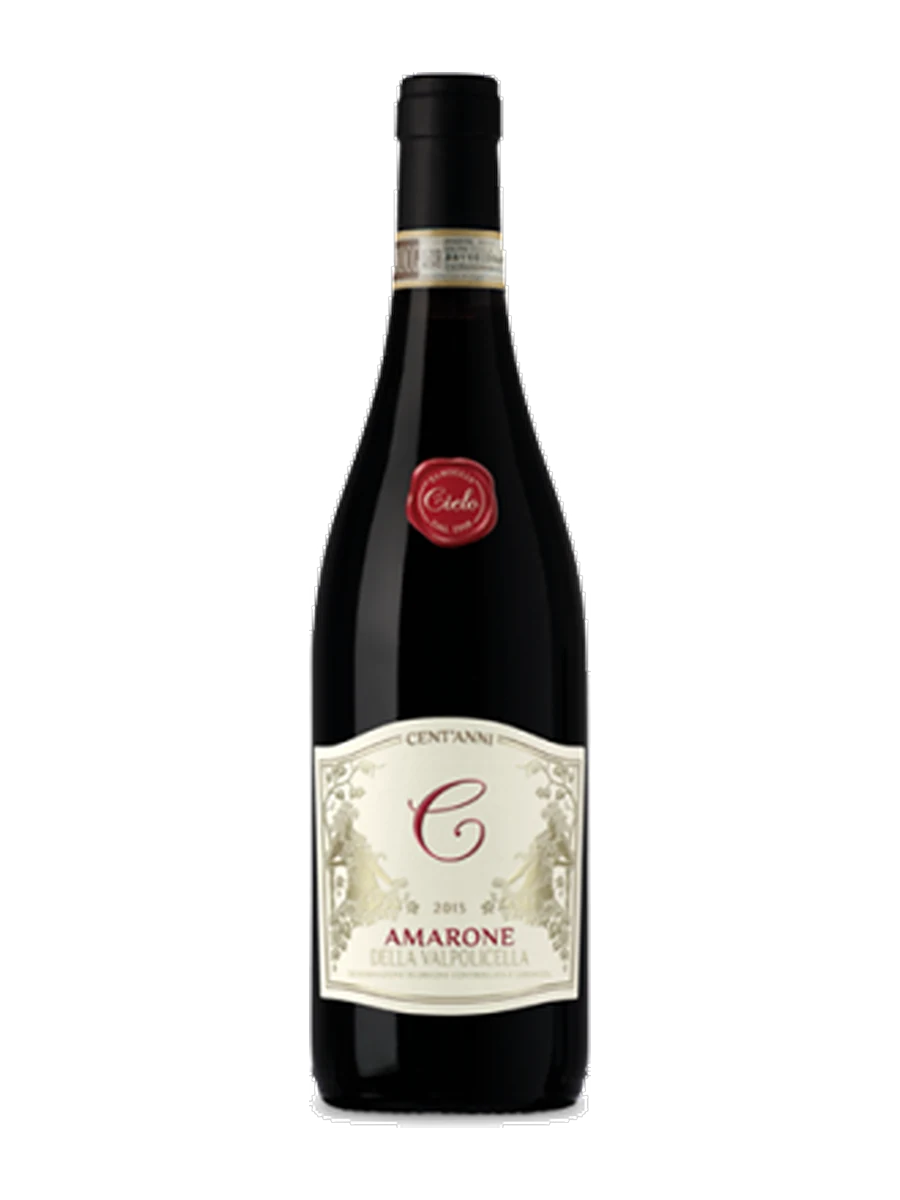
Cent'Anni is the Amarone label of Cielo e Terra, the wine business of the Cielo family in Montorso Vicentino, which began in 1908 between Vicenza and Verona. Made from Corvina and Rondinella dried by the appassimento met
Product intended for persons aged 18 and over. Drinking alcohol and beer is harmful to your health. Product information is objectively descriptive in nature.

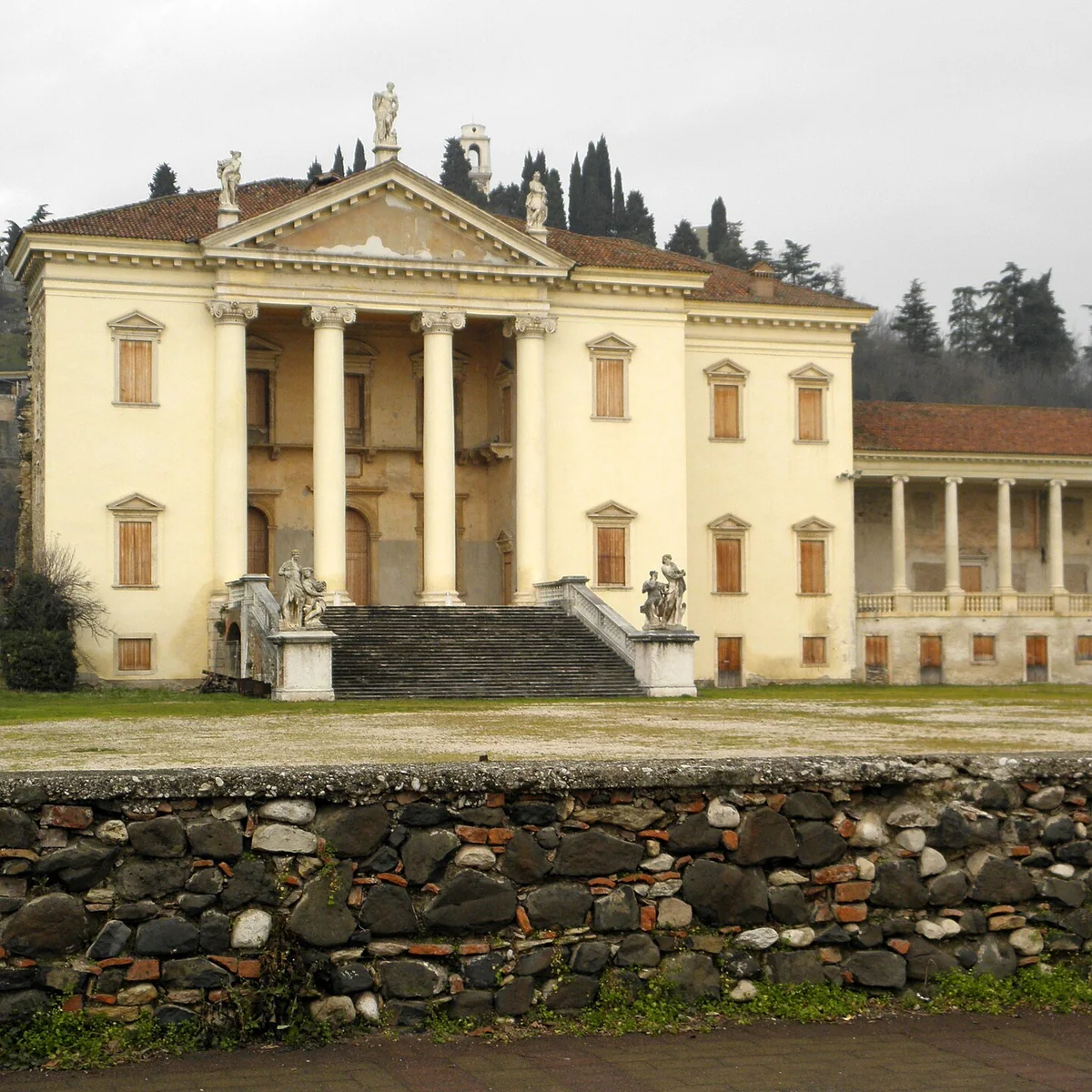 Image: Threecharlie / Wikimedia Commons · CC BY-SA 4.0
Cent'Anni is the Amarone label of Cielo e Terra, the wine business of the Cielo family in Montorso Vicentino, which began in 1908 between Vicenza and Verona. Made from Corvina and Rondinella dried by the appassimento method before fermentation, then aged for a minimum of two years as required by DOCG regulations, the result is a 15% ABV red wine rich in notes of dried plum, ripe cherry, coffee and cocoa.
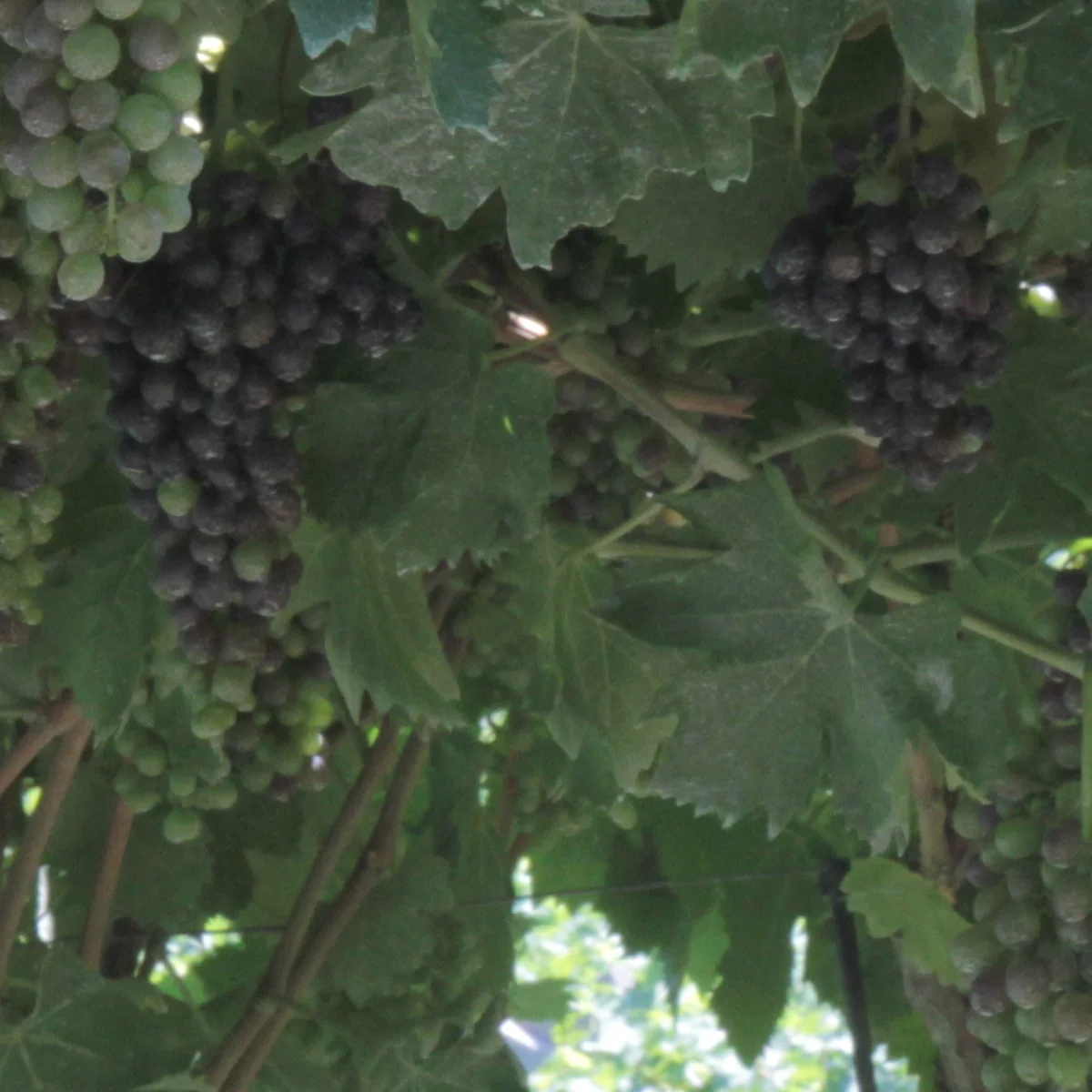 Image: Jonathanischoice (English Wikipedia) / Wikimedia Commons · CC BY-SA 4.0
Deep ruby with garnet reflections. The tasting notes in the VDR file mention blackcurrant, raisin, dried plum, oak, tea, coffee and a developing jammy character; the sheet for the successor Cielo Amarone line adds cherry, wild berry jam, red rose, cinnamon and dark chocolate. The body is warm, the tannins smooth, and the finish carries lingering tea and cocoa.
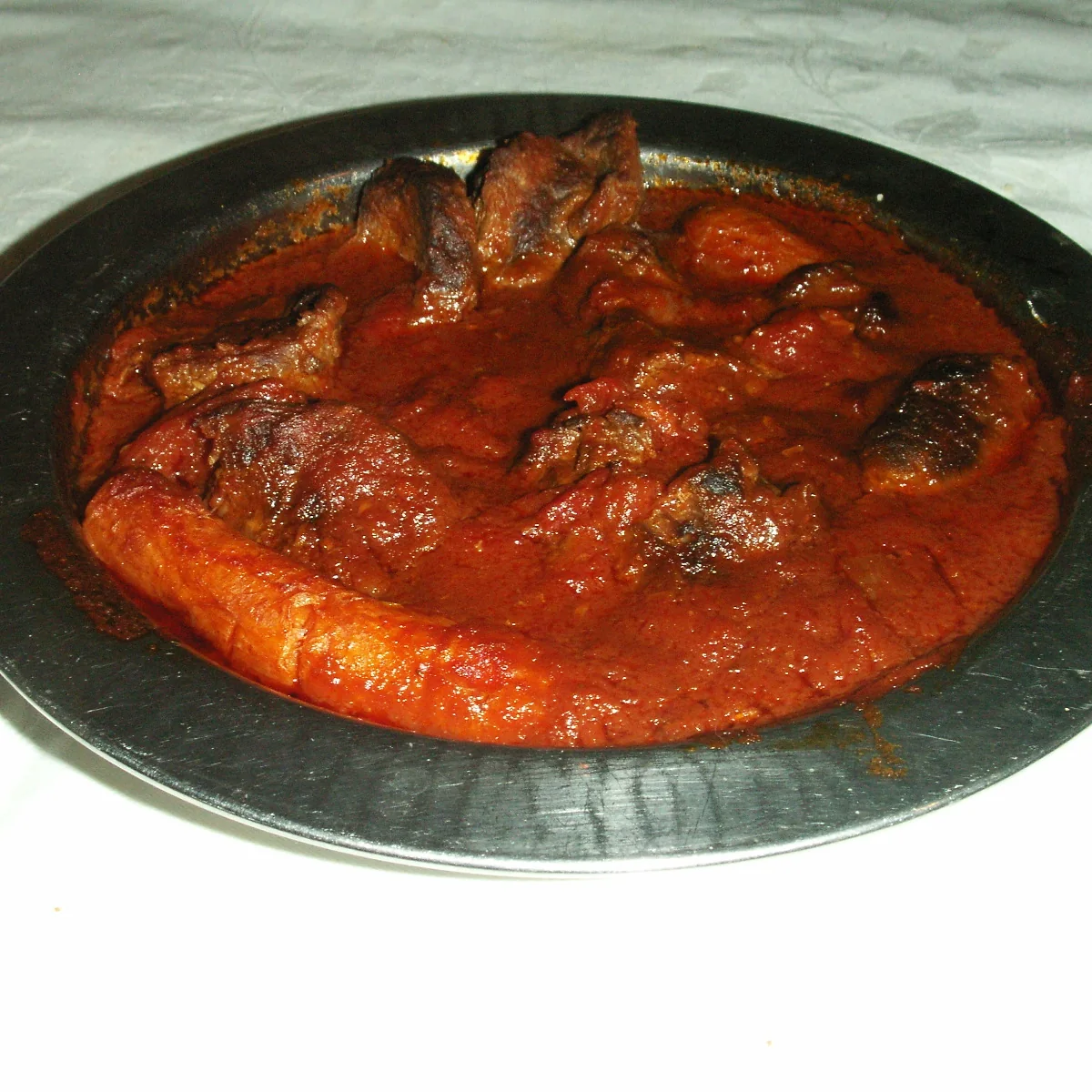 Image: Roger469 / Wikimedia Commons · CC BY-SA 3.0
Serve at 16–18 °C as recommended by the producer, and decant for about one hour to separate the sediment and let the aromas open, using a large-bowled glass. It pairs well with game, roast red meat, long-aged hard cheese, and even dark chocolate after the meal; among Vietnamese dishes, bò kho (braised beef stew), black-pepper grilled beef or grilled goat are rich enough to balance the 15% alcohol. The 2013 bottle is best enjoyed soon. Best drinking window: drink soon – it has passed the 10-year mark (the sheet for the successor line, Centenero, states an potential of 1–10 years).
Valpolicella: dry, medium+ acidity, low to medium tannin, light body. Amarone: dry (with a little residual sugar), high alcohol, very full body.
Amarone: braised beef, grilled ribs, game, Parmigiano cheese; Valpolicella: pizza, pasta, cold cuts.
APPASSIMENTO: the grapes for Amarone are dried for 3–4 months in a drying loft (fruttaio), losing 30–40 % of their water → concentrated sugars, with the wine reaching 15–17 % alcohol WITHOUT fortification. Ripasso: Valpolicella "re-passed" over Amarone pomace – richer, more softly priced. Recioto: SWEET version (fermentation stopped).
Scores of 0–10 and the 1–5 scale are a profile for reference of the Corvina variety (Valpolicella – Amarone) (Italy – Amarone della Valpolicella DOCG – dried grapes (appassimento) (red)), converted from published residual sugar, acidity, tannin and alcohol data — according to the KIDO Wine Flavour Guide; not a separate measurement of this bottle.
Cent'Anni – Italian for “one hundred years” – is the Amarone label of Cielo e Terra, a wine business in Montorso Vicentino that grew out of the Cielo family (who started in 1908) and the cooperative Cantine dei Colli Berici. The red wax seal stamped with the word “Cielo” on the bottle is the family's signature. On Vivino, the old Cent'Anni listing now appears under the name Centenero – the Amarone line that the Cielo family presents as a “Super Venetian” marking 100 years of winemaking.
Amarone della Valpolicella was elevated to DOCG at the end of 2009 and is made mainly from Corvina (45–95%) together with Rondinella (5–30%); Vivino lists Cent'Anni as using exactly these two varieties. According to Wikipedia, after harvest the grapes are dried on racks or trays for around 120 days – the appassimento method – so that water evaporates and sugars and aromas concentrate, before being pressed and fermented to a high alcohol level. The regulations require a minimum of two years of ageing; the technical sheet for the successor line Centenero states “100% appassimento” and three years of ageing, while specific details for the 2013 vintage have not been published.
The importer VDR's tasting notes for the 2013 list blackcurrant, raisin, dried plum, oak, tea, coffee, dried leaves and a “developing” jammy character, with a medium body, firm tannins and a tea-like finish. The technical sheet for the successor Amarone line describes plum, cherry, wild berry jam, red rose together with coffee, cinnamon and dark chocolate, a soft palate, smooth tannins and an aftertaste of red fruit and cocoa. The two descriptions meet in the image of a warm Amarone, rich in dried fruit, which has moved into mature aromas such as tea and dried leaves.
The 2013 vintage was scored 97/100 by the Beverage Testing Institute (tastings.com), awarded a Platinum Medal on 16 June 2017 and rated “Superlative”. On Vivino, the Cielo e Terra Centenero 2013 listing has 4.0/5 from 805 ratings; a duplicate listing under the name Cent'Anni shows 4.2/5 from 47 ratings. The following vintage, 2014, was scored 90 points by the same organisation, with a Gold Medal in 2018.
The Cielo family suggests Amarone with game, roast red meat and long-aged hard cheese, even with dark chocolate after the meal; the Italian sheet also mentions wild boar in “dolce forte” sauce, pork loin with dried plums and beef stewed with mushrooms. On the Vietnamese table, bò kho (braised beef stew), black-pepper grilled beef or grilled goat are rich enough to balance the 15% alcohol and the dried-fruit flavours; serve at 16–18 °C in a large-bowled glass, and decant for about one hour.
The technical sheet for the successor line gives an ageing potential of 1–10 years; the 2013 bottle is now 13 years old and should be regarded as a mature wine to be drunk soon; when opening, observe the colour and aroma to judge the maturity of each individual bottle. Store horizontally at 12–15 °C, away from light; stand the bottle upright one day before opening so the sediment can settle.
Content compiled from producers and professional review sites, objectively descriptive in nature; scores and awards are as per the cited sources.