Red wine Château Les Millaux AOC Bordeaux Rouge 2020
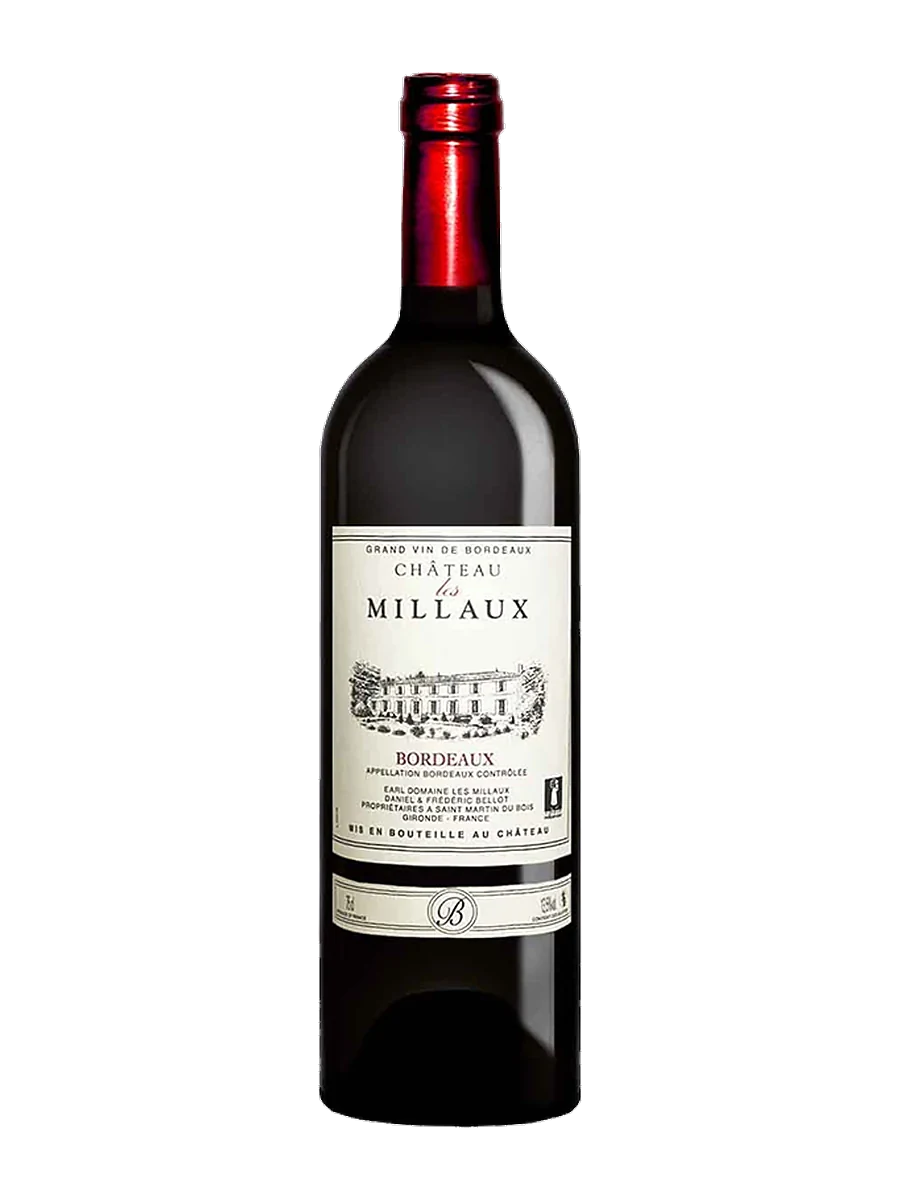
Vintage2020
Price540.000 ₫
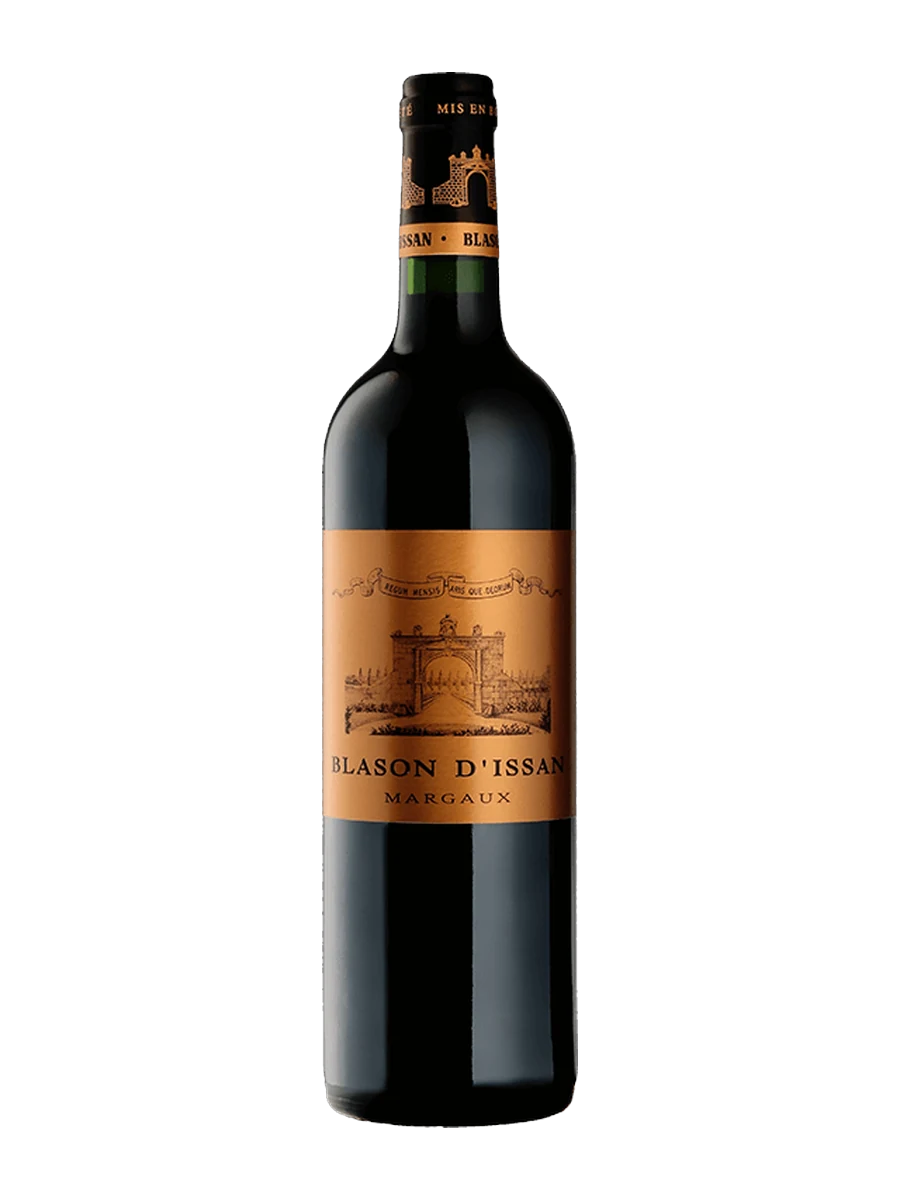
Blason d'Issan is the second wine of Château d'Issan, a Third Growth Grand Cru Classé in Cantenac. It was created in 1995 to allow a more rigorous selection within the Margaux vineyard. The wine is made from the estate's
Product intended for persons aged 18 and over. Drinking alcohol and beer is harmful to your health. Product information is objectively descriptive in nature.

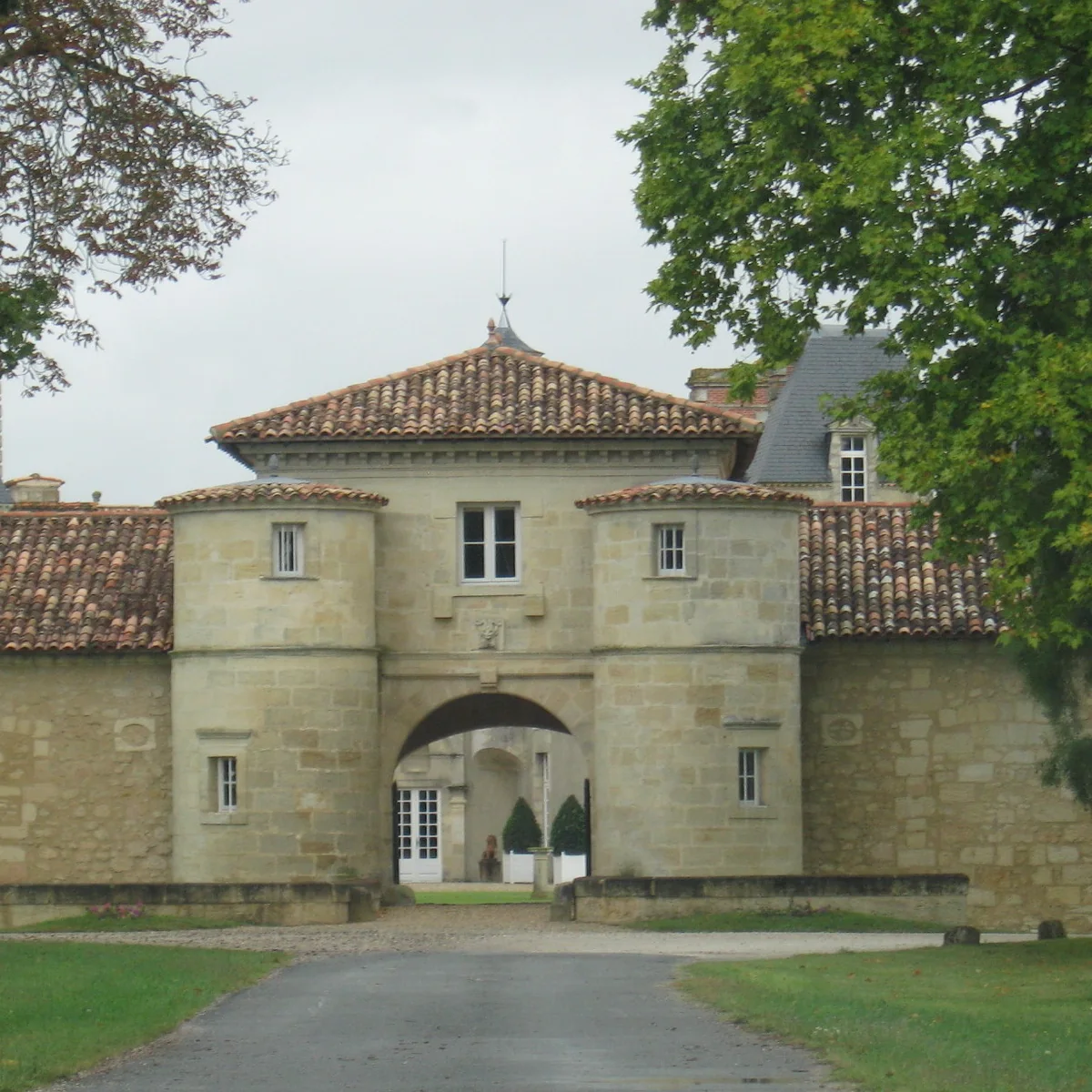 Image: Unozoe / Wikimedia Commons · CC BY-SA 3.0
Blason d'Issan is the second wine of Château d'Issan, a Third Growth Grand Cru Classé in Cantenac. It was created in 1995 to allow a more rigorous selection within the Margaux vineyard. The wine is made from the estate's youngest vines and aged for 14–16 months in oak barrels. The 2016 is a blend of Merlot 60 %, Cabernet Sauvignon 40 %, with 35 % new barrels, and accounts for 55 % of that year's production – ripe, round and supple fruit, approachable earlier than the grand vin.
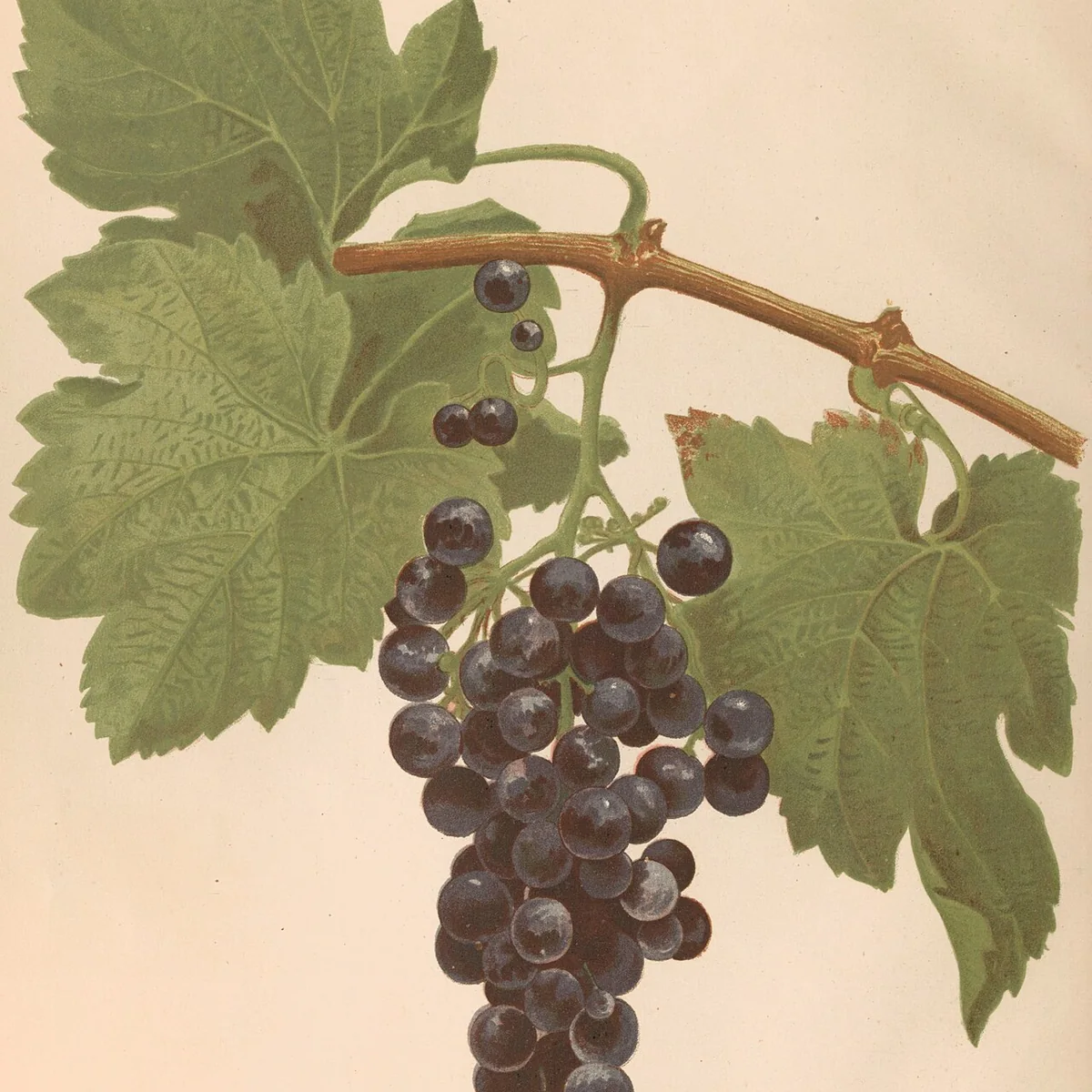 Image: Imprimerie A. Bellier & Cie – Bordeaux (illustration printed in the book by Joseph Daurel) / Wikimedia Commons · CC0
Deep garnet-purple in colour, according to Lisa Perrotti-Brown. The nose is wide open with redcurrant, cherry and raspberry, joined by blackberry, tar and violet, as noted by Neal Martin. The palate is medium- to full-bodied, with firm yet silky tannins; Antonio Galloni finds sweet tobacco, cedar, leather and liquorice. The finish is long and fresh, with a hint of mint according to Decanter.
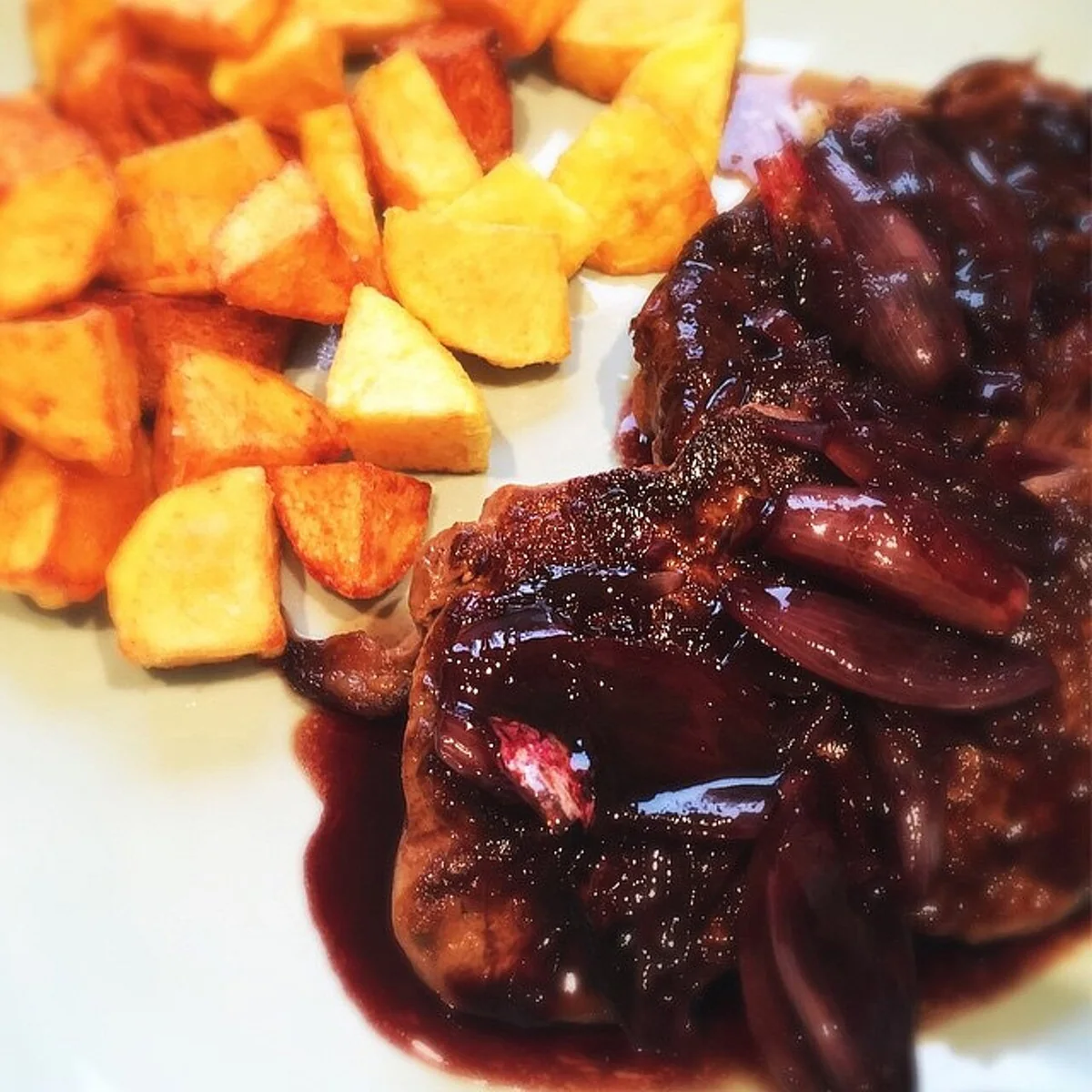 Image: happy_serendipity / Wikimedia Commons · CC BY-SA 2.0
Serve at 16–18 °C, decant 30–45 minutes beforehand, and use a Bordeaux glass. Critics place the drinking window at roughly 2019–2034, so in 2026 the wine has opened up and can still be kept for several more years. It pairs well with herb-roasted lamb chops, pan-seared beef with red wine sauce and roast duck; with Vietnamese meals, choose beef grilled in betel leaves (bò nướng lá lốt) or crispy-skinned roast pork. Best drinking window: 2019–2029.
Dry; medium acidity; medium, velvety tannins; medium+ to full body.
Roast duck, beef stew, honey-glazed ribs, roast pork, spaghetti Bolognese, pizza.
Ripens 1–2 weeks earlier than Cab → suits the cold clay soils of Bordeaux's Right Bank. Soft tannins make it easy to drink young and "soften" Cab in blends. The most widely planted variety in France (112.000 ha).
Scores of 0–10 and the 1–5 scale are a profile for reference of the Merlot variety (France – Right Bank Bordeaux (Saint-Émilion, Pomerol) & Bordeaux AOC (red)), converted from the published figures for residual sugar, acidity, tannin and alcohol — according to the KIDO Wine Flavour Guide; not a separate measurement of this bottle.
Blason d'Issan was born in 1995, when Château d'Issan decided to create a second label to allow a more rigorous selection within its share of the Margaux appellation. The fruit comes from the youngest vines of this 1855 Third Growth estate, producing a wine that retains the character of its terroir but is rounder and ready earlier than the grand vin; around 100,000 bottles are made each year. In 2016 specifically, the château's analysis shows Blason accounting for as much as 55 % of production, with the remaining 45 % going into Château d'Issan.
The vineyard spreads across gravel mounds and high alluvial hills, around 15 m in height, rounded by erosion and well drained; a drainage network installed in 1995 allows water supply to be managed plot by plot, and 85 % of the vines are more than 25 years old. Around 100 pickers harvest by hand; the grapes are sorted by bunch, then sorted again on a vibrating table, and flow by gravity into 37 temperature-controlled stainless steel tanks; maceration lasts 18–24 days depending on the year. The 2016 is a blend of Merlot 60 %, Cabernet Sauvignon 40 %, with a yield of 55 hl/ha, aged in oak barrels with 35 % new oak; analysis shows 13.28 % alcohol and a pH of 3.58. The consultant is Éric Boissenot, while Emmanuel Cruse personally oversees the blending.
The 2016 vintage at d'Issan began with almost half a year of continuous rain, followed by sunshine from 20 June onwards and a hot, dry summer until 13 September, when 33 mm of rain fell evenly across the vineyard. Thanks to water reserves in the soil, the vines suffered no stress; day–night temperature differences of up to 20 °C in September helped the tannins ripen slowly. Harvest ran from 29 September to 19 October; the producer compares it with 2010, only with higher yields, and calls 2016 a year of outstanding balance. In the glass, James Suckling finds redcurrant, cherry and raspberry with firm yet silky tannins; Neal Martin (Vinous) notes blackberry, tar, violet and dark fruit tinged with tobacco; Antonio Galloni adds cedar, leather and liquorice; Lisa Perrotti-Brown (Wine Advocate) mentions blackcurrant, plum, earth and bay leaf.
The 2016 scores are fairly consistent: James Suckling 93/100, Neal Martin and Antonio Galloni both 89/100 (published January 2019), Wine Advocate 88/100 (November 2018). Falstaff gave 91/100 when Peter Moser tasted in March 2019, noting ripe cherry, a touch of chocolate and orange peel, medium body, roundness and already easy drinking. According to Saratoga Wine, Decanter scored it 91/100 and called it an exemplary second wine. On Vivino, this vintage holds 4.1/5 from more than 2,000 ratings.
The high proportion of Merlot makes the 2016 Blason soft and easy to pair with food: herb-roasted lamb chops, pan-seared beef with red wine sauce, roast duck and liver pâté. At the Vietnamese table, the wine suits beef grilled in betel leaves (bò nướng lá lốt) or crispy-skinned roast pork. Serving temperature is 16–18 °C; decant 30–45 minutes beforehand so the tobacco and cedar aromas can unfold in layers.
The drinking windows suggested by critics are fairly wide: Antonio Galloni 2019–2024, Neal Martin 2020–2028, Lisa Perrotti-Brown 2019–2029, Decanter up to 2034. In 2026 the wine has opened up and still has several years of room if stored on its side, away from light, at 12–14 °C with stable humidity.
Very charming and elegant with redcurrant, cherry and raspberry; medium- to full-bodied, with firm and silky tannins and a long, fresh finish — James Suckling, 2019
The nose is rich and generous with blackberry, tar and a hint of violet; medium-bodied, with silky tannins and plenty of dark fruit tinged with tobacco — Vinous (Neal Martin), 2019
A full, open-knit second wine; sweet tobacco, cedar, leather and liquorice give character to a soft, fruit-rich Margaux — Vinous (Antonio Galloni), 2019
Content compiled from producers and professional review sites, objectively descriptive in nature; scores and awards are as per the cited sources.