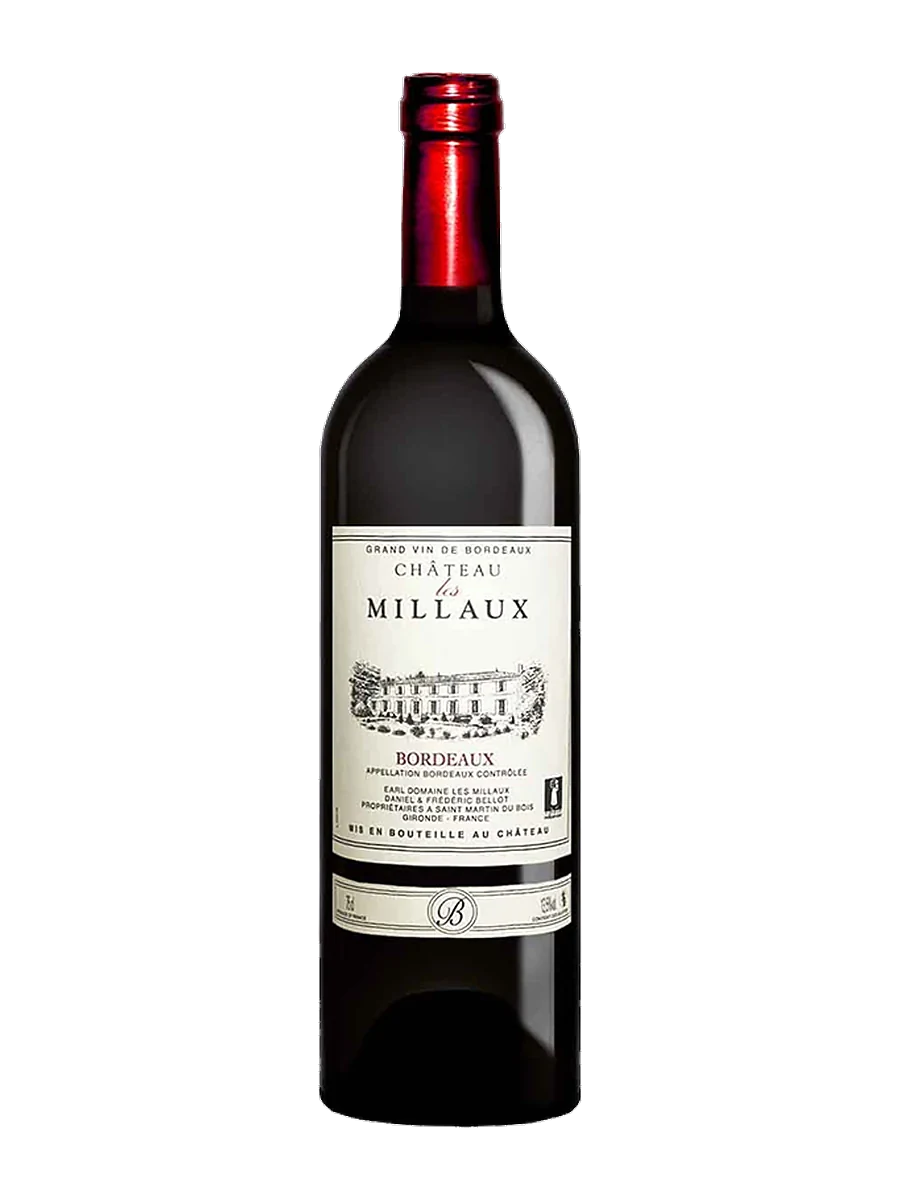
Red wine Château Les Millaux AOC Bordeaux Rouge 2020
Vintage2020
Price540.000 ₫
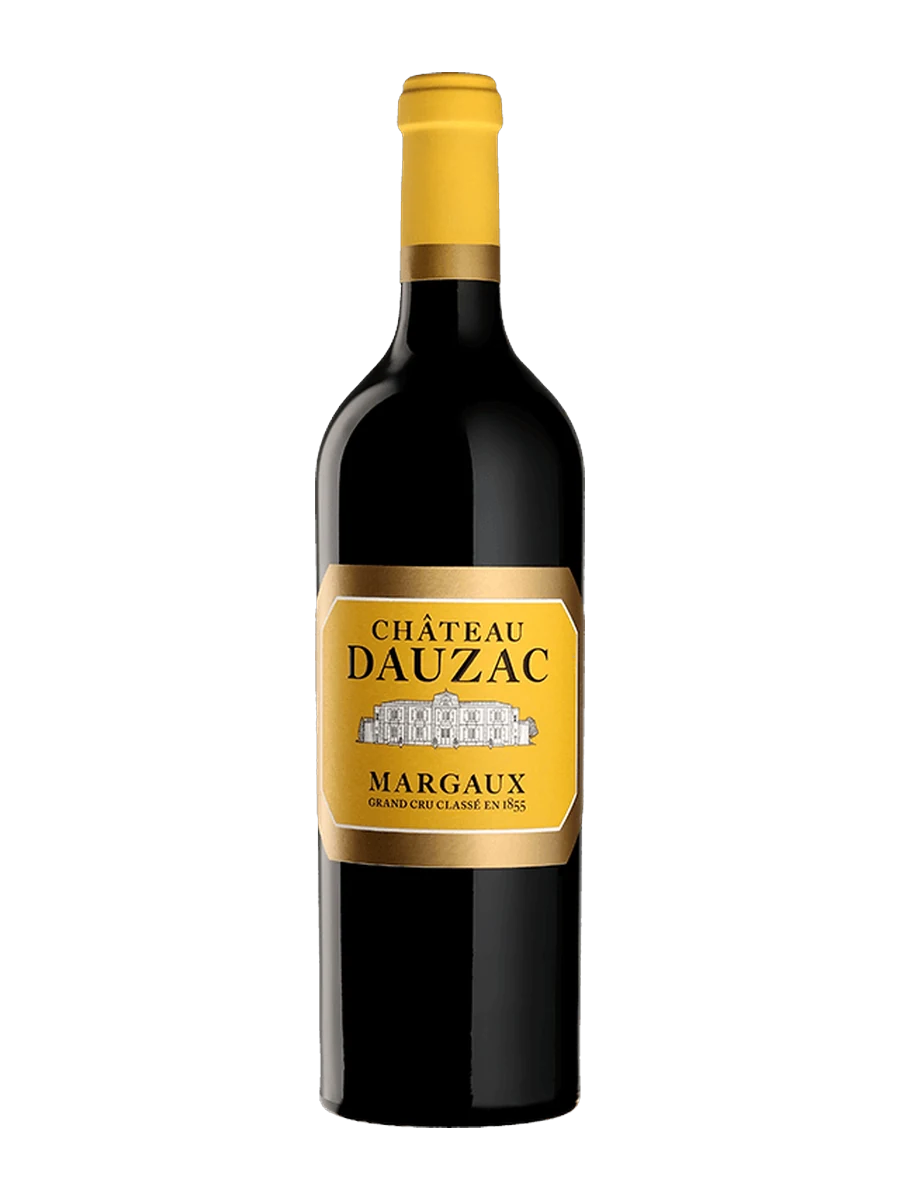
Château Dauzac 2016 is the grand vin of a Fifth Growth Grand Cru Classé estate in Labarde, at the southern tip of Margaux. Cabernet Sauvignon 71 % and Merlot 29 % come from 42 ha of deep gravel mounds with vines 35–40 ye
Product intended for persons aged 18 and over. Drinking alcohol and beer is harmful to your health. Product information is objectively descriptive in nature.

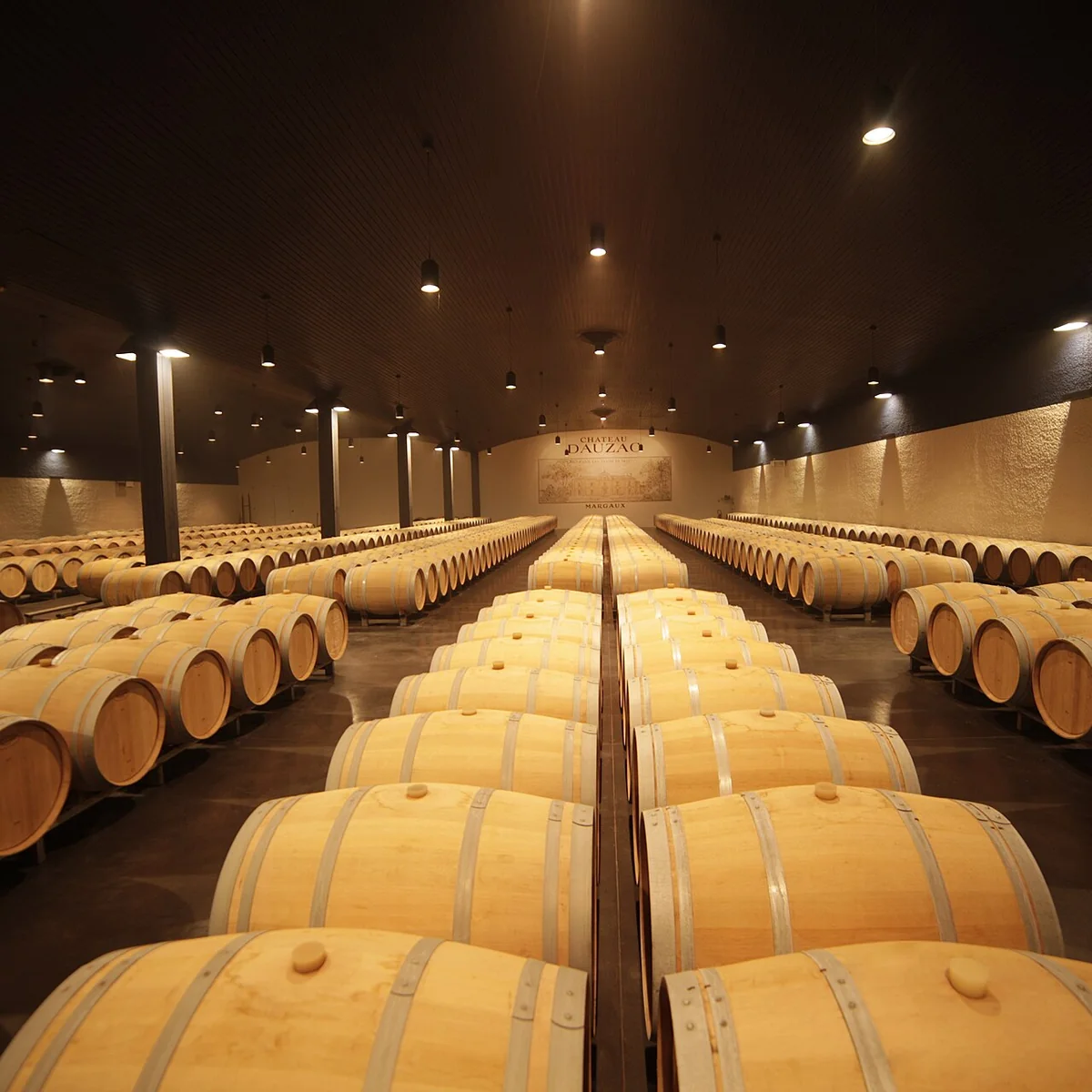 Image: LionelTonnerieux / Wikimedia Commons · CC BY-SA 4.0
Château Dauzac 2016 is the grand vin of a Fifth Growth Grand Cru Classé estate in Labarde, at the southern tip of Margaux. Cabernet Sauvignon 71 % and Merlot 29 % come from 42 ha of deep gravel mounds with vines 35–40 years old; the wine is fermented at 28 °C in wooden vats fitted with transparent panels, then aged for 15 months in French oak barrels, 68 % of them new. The producer describes the 2016 as "rich and precise without being excessive".
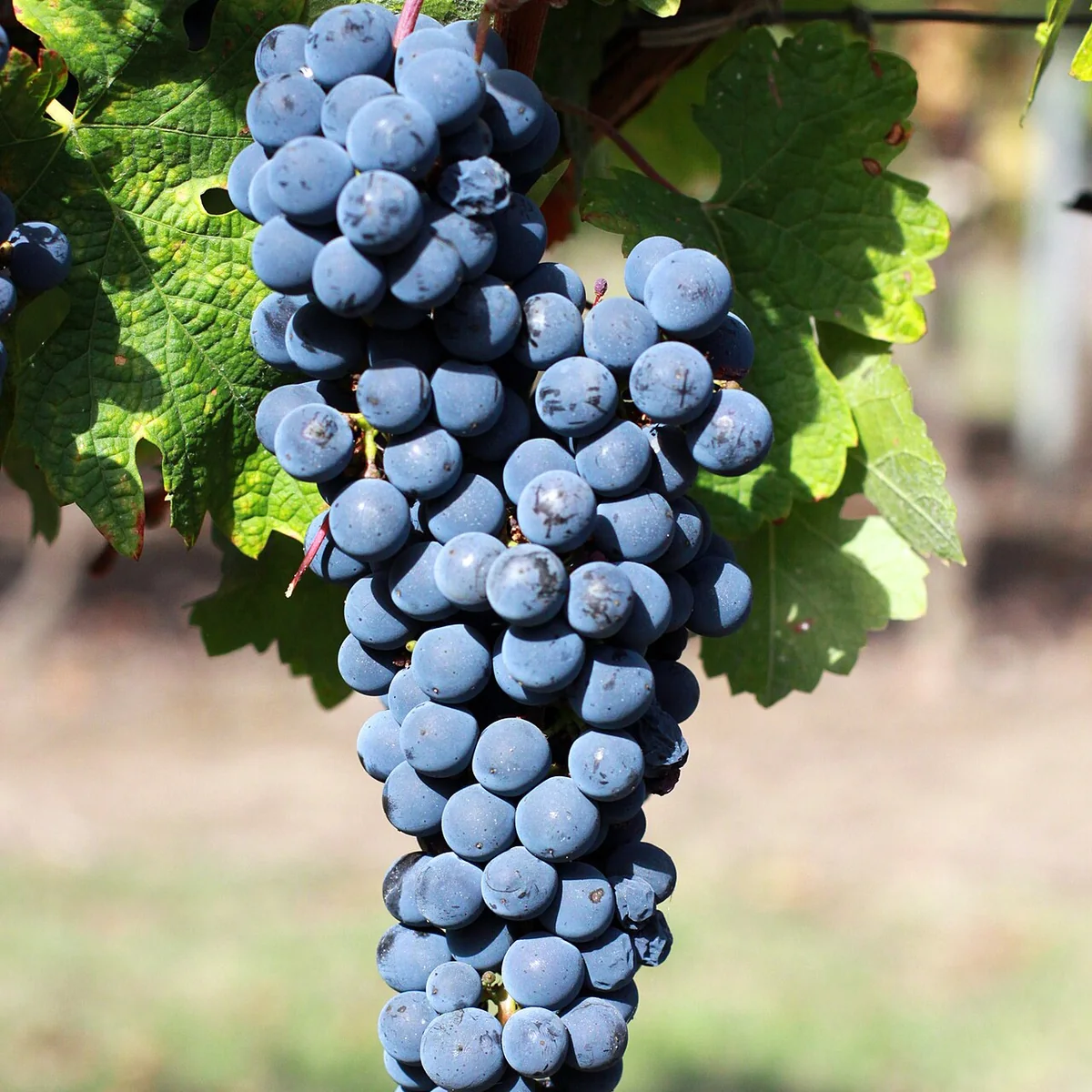 Image: Christophe Eyquem / Wikimedia Commons · CC BY 3.0
Jane Anson notes an ink-deep colour and silky tannins, with chocolate intertwined with fresh damson plum, blackcurrant and blueberry. Neal Martin (Vinous) records black cherry, wild blueberry, crushed stone and faded violet, with the oak well integrated; the palate is medium-bodied with supple tannins. Wine Spectator adds plum, fig jam, liquorice and tobacco; Wine Enthusiast praises the juicy acidity on the finish.
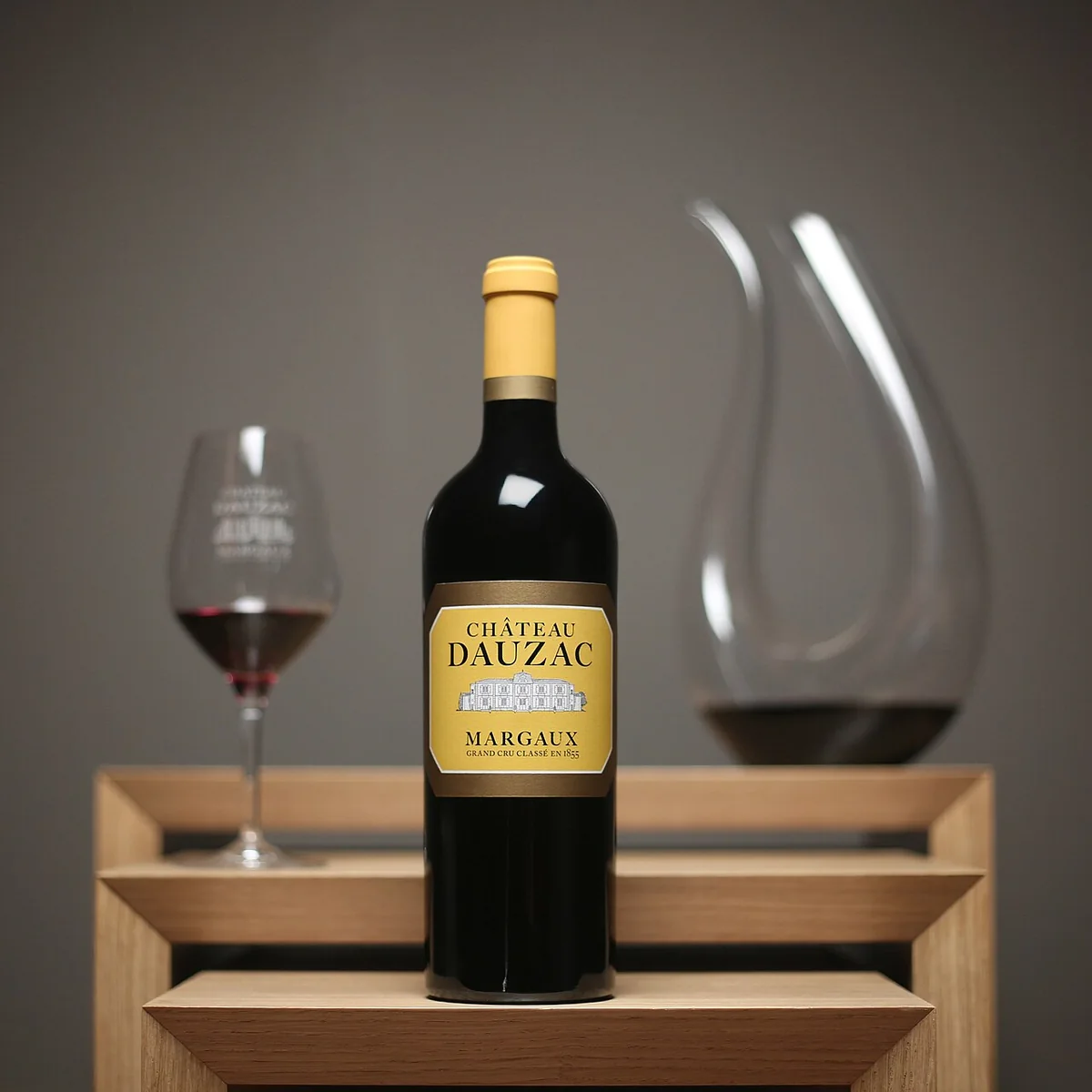 Image: LionelTonnerieux / Wikimedia Commons · CC BY-SA 4.0
Serve at 17–18 °C in a large Bordeaux glass; decant for 45–60 minutes, as Cabernet dominates the blend and there is a good deal of new oak. The producer believes the wine is at its best at 5–10 years of age and can be kept for 15–25 years. It pairs well with red meat, game, poultry and cheese; at a Vietnamese table, bò kho (beef stew), five-spice grilled beef or grilled goat offer a matching intensity. Best drinking window: 2023–2040.
Dry; medium+ to high acidity; high tannin; full body.
Steak, Vietnamese shaking beef (bò lúc lắc), grilled lamb chops, sizzling beef steak (bò né); hard cheeses (cheddar, aged gouda).
Thick skins and many seeds → deep colour, firm tannins, ageing potential of 10–30+ years. Late ripening, so it needs a long sunny season. The most widely planted wine grape in the world.
Scores of 0–10 and the 1–5 scale are a profile for reference of the Cabernet Sauvignon variety (France – Left Bank Bordeaux (Médoc, Pauillac, Margaux) – blend, Cab-dominant (red)), converted from published residual sugar, acidity, tannin and alcohol data — according to the KIDO Wine Flavour Guide; not a separate measurement of this bottle.
Château Dauzac 2016 is the grand vin of the estate classified as a Fifth Growth Grand Cru Classé in 1855, located in Labarde, at the southern tip of the Margaux appellation, close to the Gironde estuary. In 2013, managing director Laurent Fortin changed the business model, bringing the wine back into the "Place de Bordeaux" négociant system and investing heavily in technical improvements; in 2020 the Roulleau family acquired the estate. The 2016 was made by technical manager Philippe Roux with consultant Éric Boissenot, and it still carries the familiar golden label.
The grapes come from 42 ha of deep gravel mounds, planted at a density of 10,000 vines/ha, with an average vine age of 35–40 years, double Guyot pruning and organic fertilisation; the vineyard as a whole is planted to roughly 70 % Cabernet Sauvignon and 30 % Merlot. The grapes are hand-picked into small crates, sorted before and after destemming, and then moved into the winery by gravity. The wine ferments at 28 °C in wooden vats with two transparent panels – an approach that allows the estate to rethink its pumping-over and optimise maceration time – followed by malolactic fermentation. The final blend was set at Cabernet Sauvignon 71 %, Merlot 29 %, aged for 15 months in French oak barrels, 68 % new, with racking decided by tasting; when fining is needed, the estate uses plant proteins, so the wine is certified vegan.
The 2016 weather in Labarde began in an oceanic style, followed by a long run of hot, sunny days until 13 September, when rain helped the vines complete ripening. A warm October autumn allowed a 21-day harvest – the longest in Dauzac's history – so that each Merlot and Cabernet parcel could be picked at exactly the right ripeness. The producer describes the wine as rich and precise, with bright fresh fruit and a dense, complex texture, balanced between acidity and alcohol thanks to the high proportion of Cabernet. Jane Anson (Inside Bordeaux) highlights silky tannins, an ink-deep colour, chocolate, damson plum, blackcurrant and blueberry; Neal Martin (Vinous) finds black cherry, wild blueberry, crushed stone and faded violet; Wine Spectator mentions ripe plum, blackberry, fig jam, liquorice and tobacco.
Jane Anson scored it 95/100 (September 2023), Neal Martin of Vinous 93/100 (August 2020). Wine Enthusiast gave 92/100 (Roger Voss, 2019), noting that the structure is softened by rich black fruit and a juicy acidity on the finish; Falstaff scored it 93/100 when tasting en primeur in May 2017. According to Millesima, the wine also received 95/100 from Decanter and La Revue du Vin de France, 93/100 from Jean-Marc Quarin and 92/100 from Wine Spectator. Vivino users rate it 4.2/5 on average across nearly 1,000 ratings.
The pronounced Cabernet structure and 68 % new oak mean the wine needs air: decant for 45–60 minutes and serve at 17–18 °C in a large Bordeaux glass. The producer suggests white meat, poultry, red meat, game and cheese; at a Vietnamese table, bò kho (beef stew), five-spice grilled beef or grilled goat are dishes of matching intensity.
According to the technical sheet, Dauzac 2016 shows best at 5–10 years of age and can be kept for 15–25 years; Jane Anson sets the drinking window at 2023–2040. In 2026, the wine has reached maturity but still has room to develop; keep bottles lying on their side at 12–14 °C, away from vibration and light.
Silky tannins, an ink-deep colour, aromas of chocolate intertwined with fresh damson plum, blackcurrant and blueberry — Jane Anson (Inside Bordeaux), 2023
An impressive bouquet of black cherry, wild blueberry, crushed stone and faded violet; the oak is very skilfully integrated — Vinous (Neal Martin), 2020
A rich wine with clear structure, cushioned by rich black fruit; the juicy acidity on the finish brings freshness to a bottle worth cellaring — Wine Enthusiast (Roger Voss), 2019
Content compiled from producers and professional review sites, objectively descriptive in nature; scores and awards are as per the cited sources.